

Marvel Fusion spins out laser subsidiary to commercialize fusion technology
Marvel Fusion has launched Caelora, a wholly owned subsidiary focused on bringing high-energy laser systems to market for fusion and scientific applications. The move establishes an immediate revenue stream while building the industrial supply chain the fusion sector depends on.
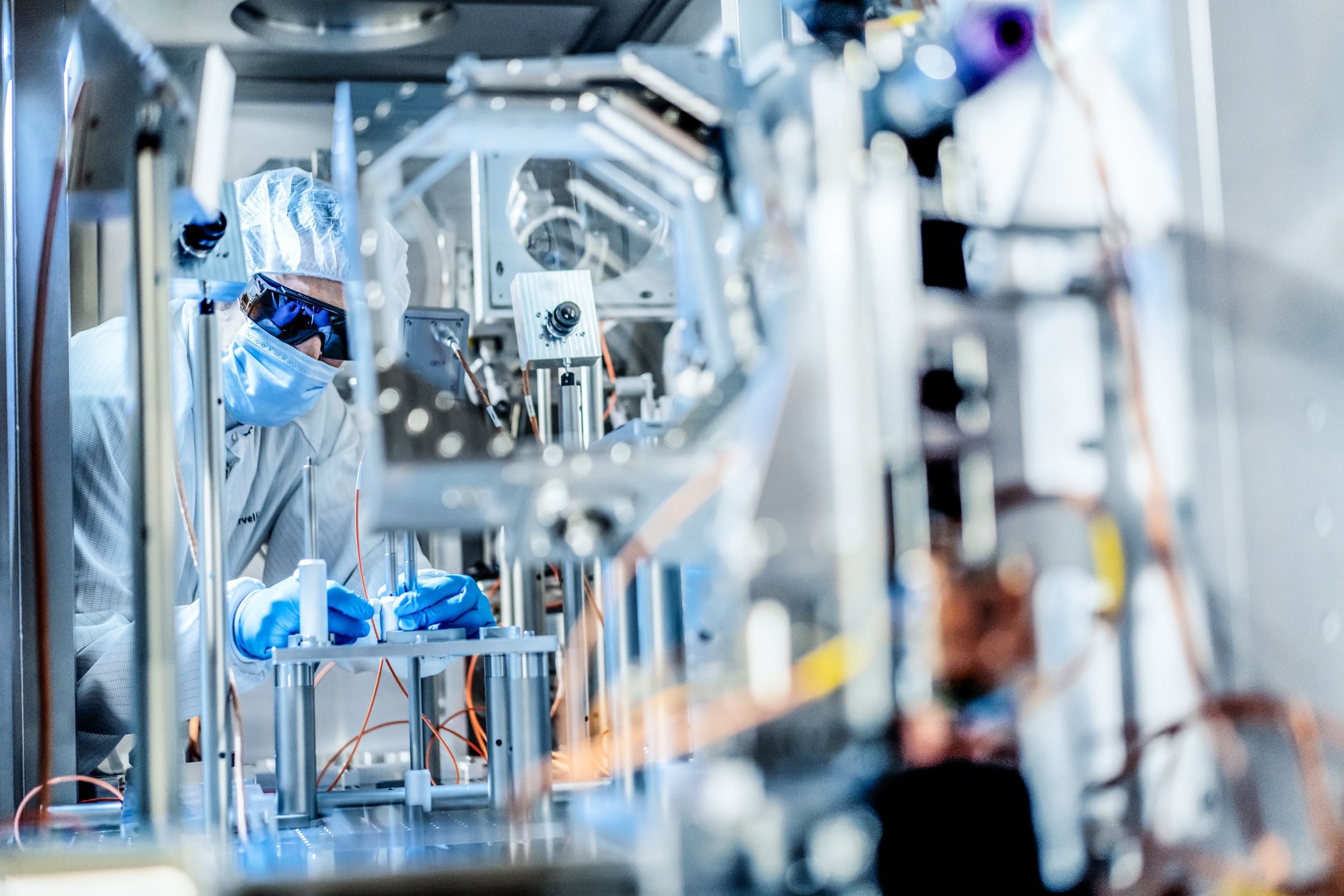

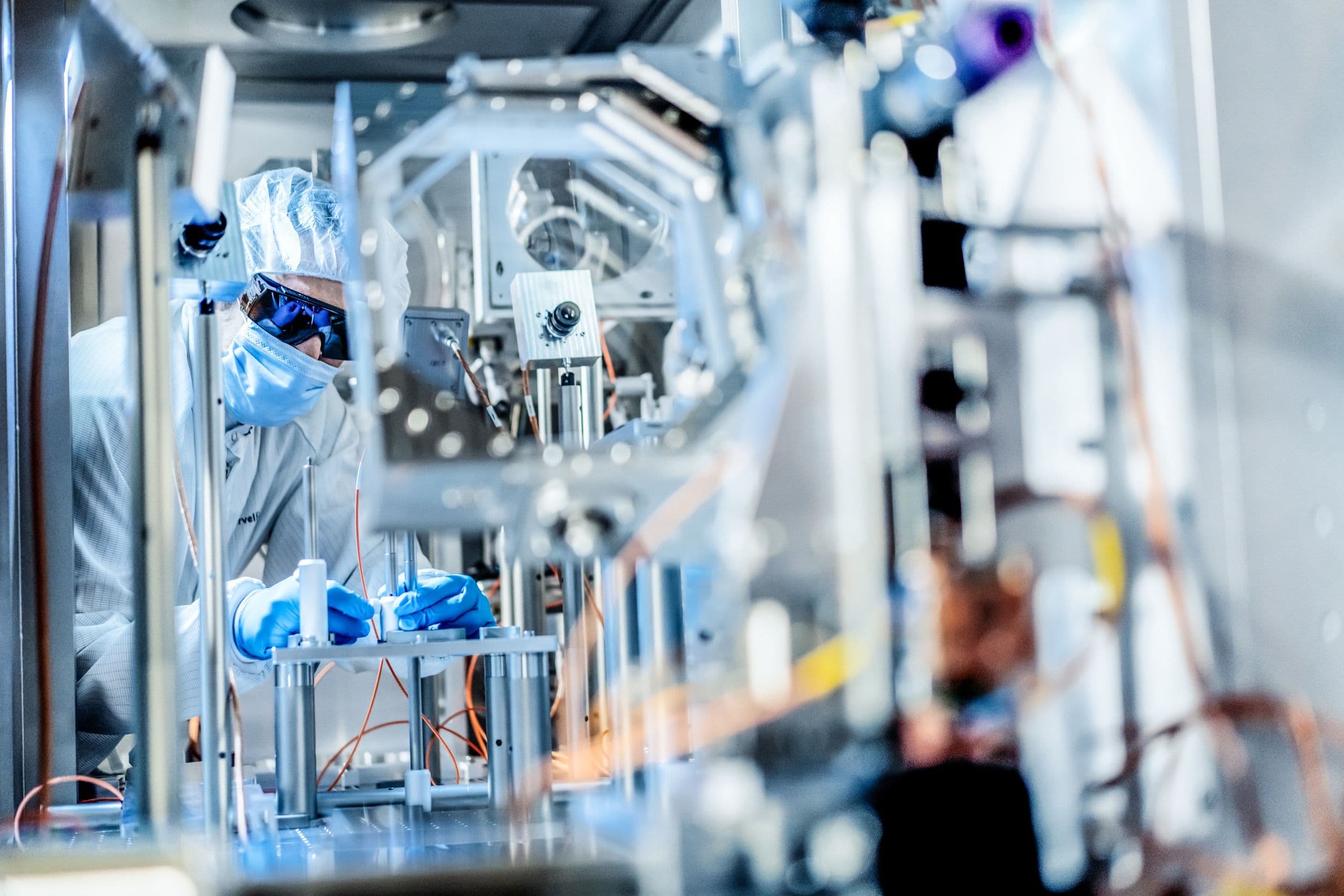
Marvel Fusion has launched Caelora, a wholly owned subsidiary that will commercialize high-energy laser systems for fusion energy, scientific research, and medical and industrial applications. The announcement, made on 16 September 2026, represents a strategic shift for the Munich-based fusion company: rather than waiting to deploy lasers solely within its own power plants, it is now spinning out that technology as a standalone business.
Fusion energy requires specialised laser systems at scales and reliability standards that do not yet exist commercially. By creating Caelora as a separate entity, Marvel Fusion can begin selling these systems to other research institutions and industries, generating revenue immediately whilst building the industrial supply chain the broader fusion sector will eventually depend on.
Caelora is led by Dr. Lutz Aschke, a veteran who held senior positions at major European photonics manufacturers including TRUMPF and LIMO. His appointment signals that Marvel Fusion intends Caelora to compete as a serious industrial laser company. Most high-energy laser systems today are built as custom research instruments, typically one-off projects. Caelora's goal is different: to manufacture diode-pumped systems designed to operate continuously and reliably in fusion environments, with compact form factors engineered for real industrial deployment.
The technology foundation comes from Marvel Fusion's laser program, developed in partnership with Pulsed Light Technologies with backing from SPRIND, the German Federal Agency for Breakthrough Innovation. Caelora will advance this work into commercial products, targeting diode-pumped systems for fusion applications, scientific research, and radiation sources for medical, industrial and security uses.
Why separate the business
Marvel Fusion's strategy has always been staged. The company, founded in 2019 with €385 million raised to date, operates with three sequential revenue targets: industrial laser systems first, then neutron sources, then fusion power plants. Caelora fulfils the first of these. By spinning it out as a separate legal entity, Marvel Fusion achieves several things at once. It creates a distinct revenue stream from systems sold into the market now, rather than waiting years for its flagship fusion power plant to be built. It shortens the learning curve for high-energy laser engineering, since each system deployed into a real operating environment teaches the company something valuable. And it strengthens the wider industrial infrastructure for fusion, making it easier for other fusion companies and research institutions to source critical components.
Moritz von der Linden, Marvel Fusion's chief executive, saw it as a practical necessity: "Building a fusion power plant requires a laser supply chain that does not exist at industrial scale today." By establishing Caelora, he said, the company can build that chain now, generating revenue from each system sold while gathering operational data for future power plant designs.
The parent company's fusion power plant program will continue uninterrupted. Marvel Fusion is also building a €150 million laser research facility in Colorado in partnership with Colorado State University, scheduled to break ground in 2026. That facility will support both Caelora's product development and Marvel Fusion's own path towards demonstrating inertial fusion at scale.
For European founders and investors in fusion energy, Caelora offers a template: the bottleneck is not always the final product, but the supply chains and subsystems that make it possible. By monetising those components before the big prize arrives, Marvel Fusion buys time, capital and technical insight. Whether that proves wise will depend on how many customers Caelora finds and how quickly it can scale production—but the logic of the move is sound.
What did you think of this story?
Written by
John Pulisic
92 stories on European Startup Insider
Have a story like this? Pitch it to us.
We publish founder profiles, company news and practical guides from across Europe.
More stories like this







Framer 3.0 puts AI agents on the design canvas, adds branching and a creator market
Amsterdam's Framer rolled out its biggest release yet, with AI agents that build inside the canvas, git-style branching for live sites, and a merged community marketplace.