

Einride to build its next autonomous truck system on Nvidia's Hyperion platform
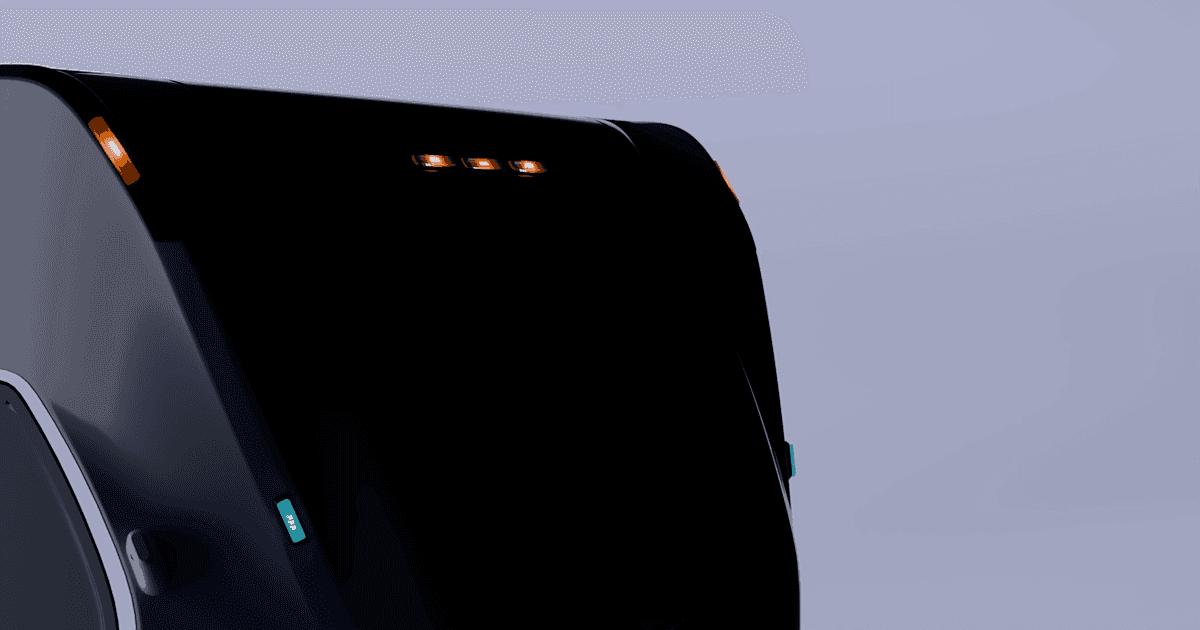

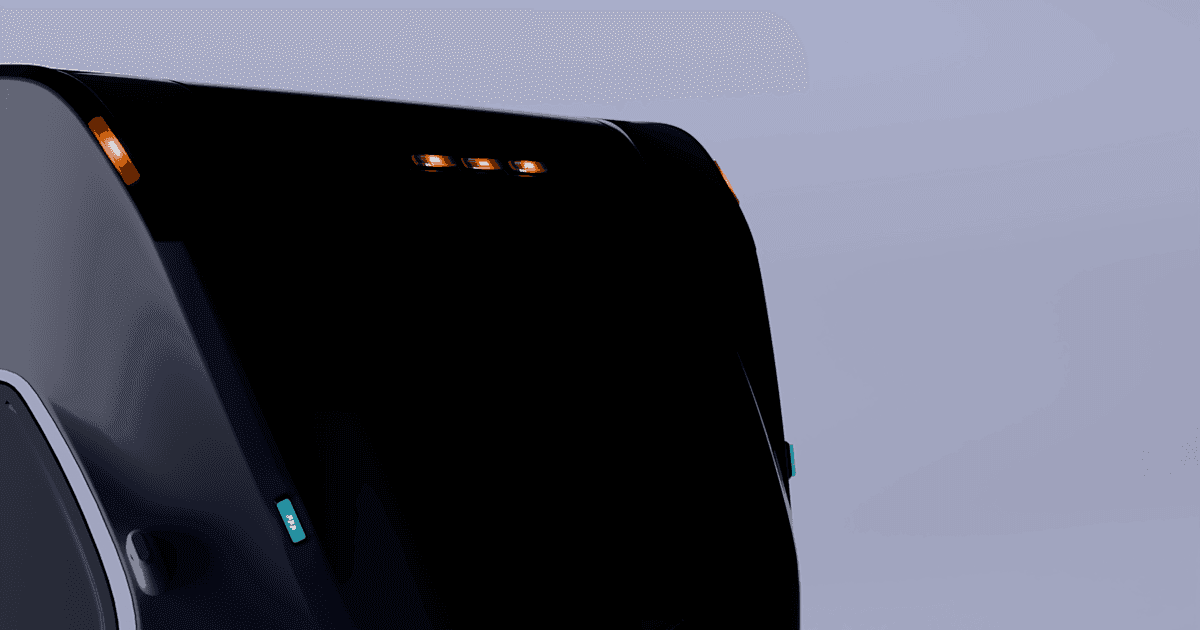
Einride has struck a collaboration with Nvidia to run the next generation of its self-driving truck software on Nvidia's DRIVE Hyperion platform, the Stockholm-based freight company said. The deal gives the Nasdaq-listed operator a chip and safety architecture built for Level 4 autonomy as it tries to scale cabless trucks beyond its current pilot routes.
Under the agreement, Einride will adapt Hyperion's compute, sensor, software and safety layers for heavy-duty freight. Hyperion already comes bundled with Nvidia's Halos safety system, and Einride said it will keep building, operating and validating its own driving software, which it calls the Einride Driver, rather than handing that work to Nvidia. Nvidia's job is to supply the underlying hardware and AI development tools.
What Nvidia actually brings
The collaboration leans on three Nvidia tools beyond the Hyperion hardware itself. Einride already uses Nvidia Cosmos to sift through camera footage from its trucks, flag unusual driving situations and generate synthetic scenarios that widen the pool of data used to train and test its models. That part of the relationship predates this announcement.
What is new is the plan to run large-scale model training on Nvidia's Blackwell chip architecture, accessed through a third-party data-centre operator that Nvidia has certified for heavy AI workloads and refers to as an Exemplar Cloud partner. Neither company named the provider, and neither disclosed financial terms for the collaboration or a date for when Hyperion-based trucks will start carrying freight.
Henrik Green, Einride's chief technology officer, said the company already has the customers and operational experience to make use of the arrangement, adding that building the next Einride Driver on Hyperion would let it scale autonomous deployment "across a freight network that's already serving customers today."
Nvidia's vice president of automotive, Rishi Dhall, framed the tie-up in terms of the wider freight market rather than Einride specifically: "Autonomous trucking represents one of the clearest opportunities to improve the safety and efficiency of global freight."
Why the timing matters
Einride already runs hundreds of electric trucks for shippers across the US, Europe and the Middle East, including autonomous units operating under contracted customer deals rather than demonstrations. The company has told investors it expects the fleet to reach 1,500 to 2,000 vehicles within two years, a target it says reflects demand it has already captured on its platform, with roughly four in five of those freight lanes suited to automation within the medium term.
That expansion plan, laid out since Einride's Nasdaq listing in June 2026 under ticker ENRD, is the real driver behind the Nvidia deal. Scaling from hundreds of trucks to low thousands means moving autonomous operations off tightly controlled test routes and into highway and suburban conditions where a heavier compute and sensor stack becomes necessary. A reference platform built for Level 4 driving, rather than an in-house compute design, is one way to get there faster without re-engineering the hardware layer from scratch.
The announcement arrives in a busy stretch for Einride. In the same month it said it had put a cabless autonomous truck on German public roads for Lidl, and over the summer it added a Tesla Semi deployment, a partnership with truckmaker DAF, and the acquisition of charging software firm Flipturn. The Nvidia collaboration reads as the compute backbone meant to support that wave of commercial rollouts rather than a standalone product launch.
What is still unclear
Einride has not said which trucks, routes or customers will carry the first Hyperion-based systems, nor set a date for when they might enter service. The company and Nvidia also left out any figures on cost, meaning it is not possible to tell how much of Einride's capital plan this absorbs.
For European logistics buyers watching the autonomous-freight market, the more concrete number is the 1,500-to-2,000-vehicle target for 2028. Whether Einride hits it will depend less on Nvidia's chips than on how fast regulators across the US, Europe and the Middle East clear cabless trucks for public roads, and how much of that 80% "automatable" demand actually converts into signed contracts.
What did you think of this story?
Written by
John Pulisic
92 stories on European Startup Insider
Have a story like this? Pitch it to us.
We publish founder profiles, company news and practical guides from across Europe.
More stories like this







Zopa rolls out AI agent that can move money, not just chat about it
Zopa's new Ask tool lets Biscuit customers pay bills, split receipts and set savings goals through plain language, as the profitable UK digital bank bets AI can do more than answer questions.