

Neobe Therapeutics raises $6.8m seed to take tumour-breaching bacteria towards a 2028 IND
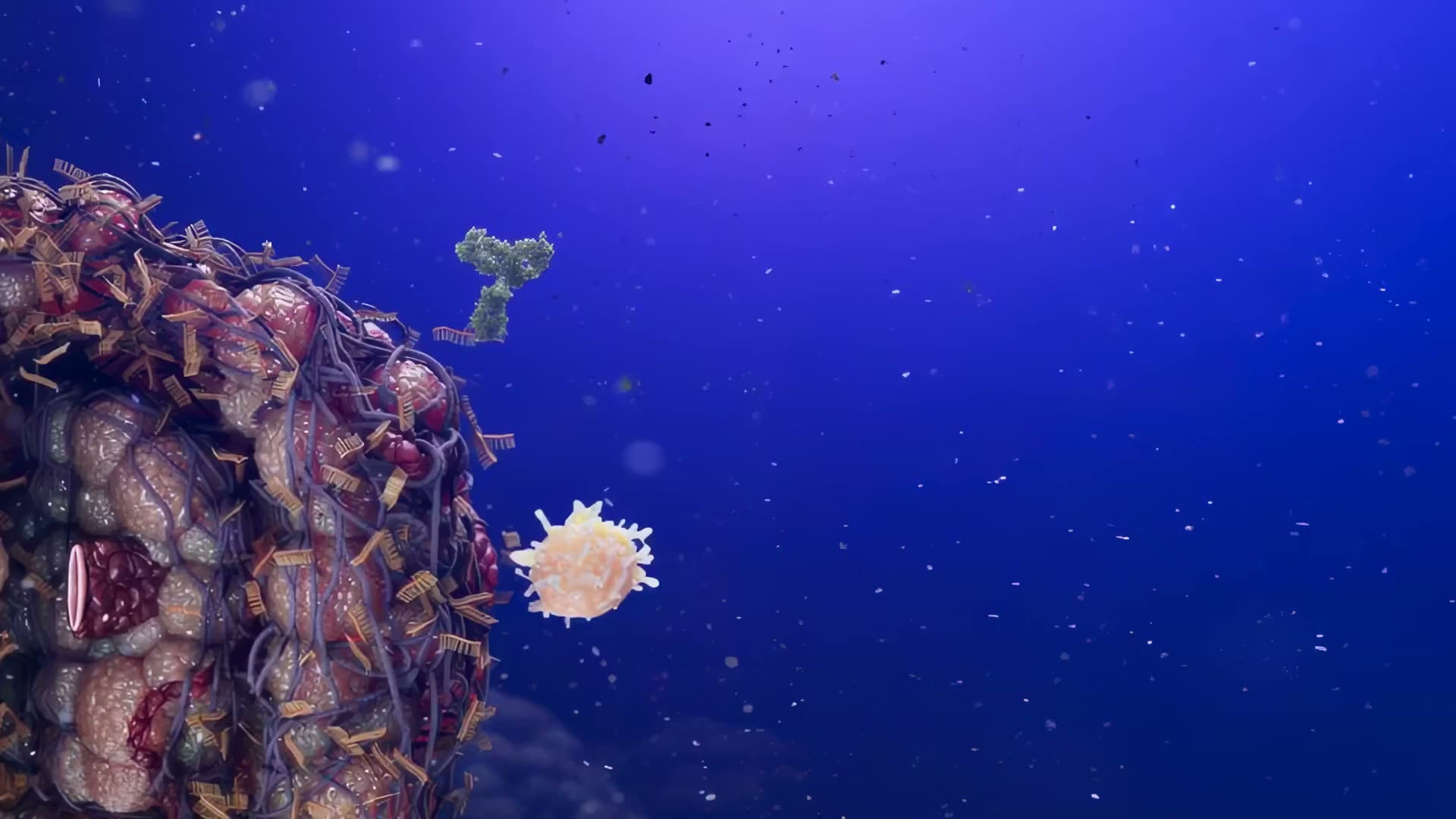

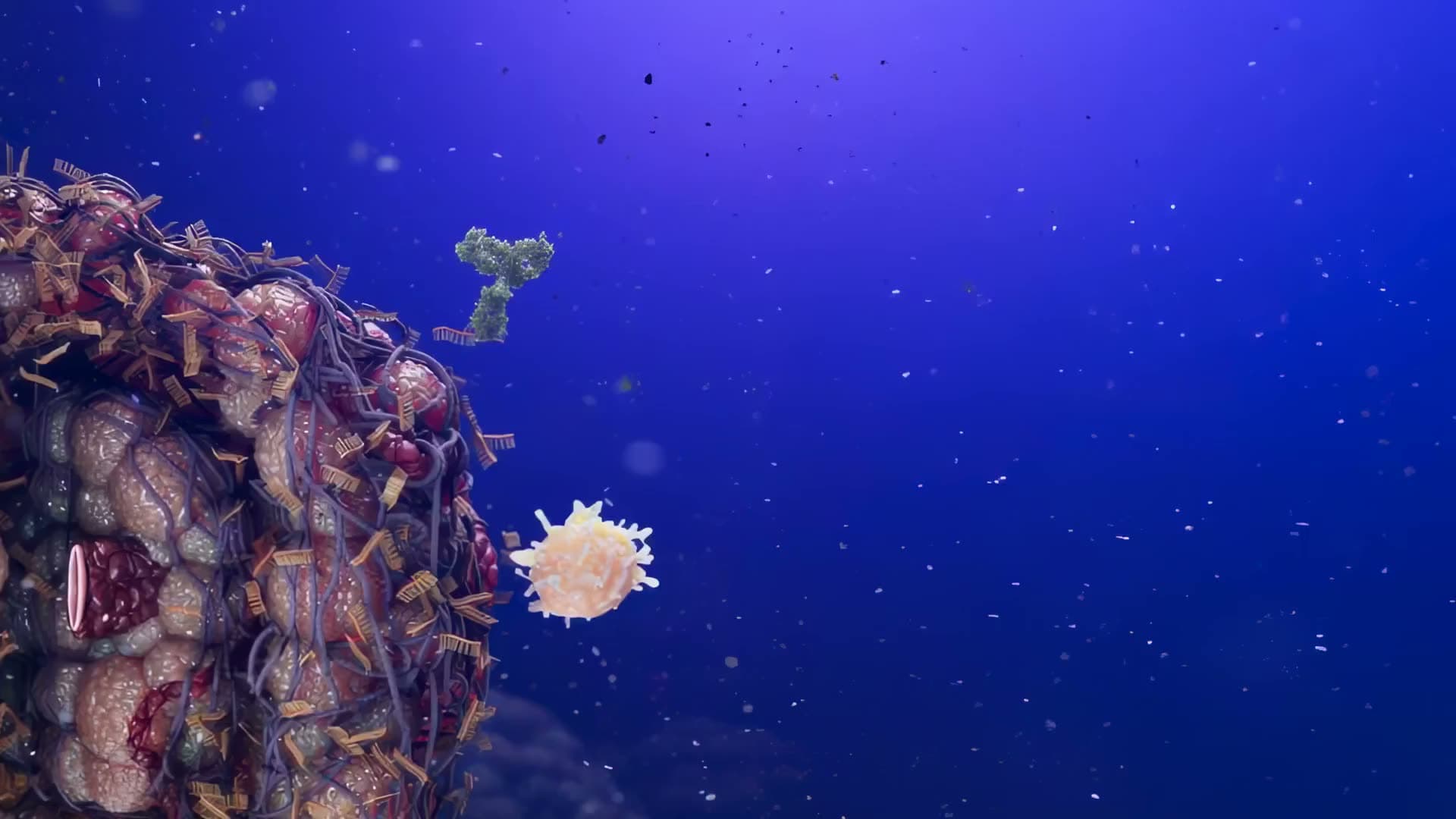
Neobe Therapeutics, a synthetic biology start-up based at Stevenage Bioscience Catalyst, has closed a $6.8m (£5m) seed round led by ARC Ventures. The money is meant to carry its lead candidate, NEO22, through preclinical development to an investigational new drug (IND) filing in 2028, a step that would open the door to human trials in the US.
The bet behind the round is that many cancer drugs already work, but cannot reach the cells they are meant to kill. Neobe builds engineered bacteria designed to clear that path.
Who is backing the round
ARC Ventures was joined by Faber, Macmillan Ventures, Proven Connect and Empirical Ventures. Macmillan Ventures is the investment arm of the UK charity Macmillan Cancer Support. 2048 Ventures, which led the company's pre-seed in early 2024, put in more money this time as well.
That earlier round came to about $2.34m. With the new seed, Neobe says its total funding now stands at more than $10.5m (£7.9m). The company has not said how much of the seed is held back for a second tranche, which it says will pay for a first-in-human study.
Joseph Korff, who founded ARC Ventures, said the firm was drawn to how Neobe tackles the physical side of treatment resistance. "Assets derived from Neobe's platform will improve the efficacy of cancer therapies and extend their benefits to more patients," he said.
How the bacteria are supposed to work
Immunotherapy has changed the outlook for some cancers, yet a large share of patients with solid tumours see little benefit. Neobe's view is that the reason is often mechanical. Many tumours sit inside a dense, fibrous scaffold, the stroma, which keeps out T cells and the drugs meant to support them. Oncologists call such cancers immune-excluded.
The company takes harmless strains of common bacteria and programmes them as living medicines. After injection, the microbes collect inside tumours and release enzymes, such as hyaluronidase, that break down the surrounding matrix. Once that wall is weakened, immune cells or other therapies can get in.
Using microbes against cancer is an old idea. Doctors experimented with it in the early 20th century, but with pathogenic strains. Neobe's pitch is that it can make non-pathogenic bacteria that home in on tumours safely and act only where they are needed.
NEO22 is aimed at colorectal, pancreatic and breast cancer, three tumour types where dense stroma is a familiar obstacle.
What the early data show
The main evidence so far comes from animal work. In a paper published in 2026 in Molecular Cancer Therapeutics, Neobe and scientists from London's Barts Cancer Institute and the University of Cyprus tested the platform in models of triple-negative breast cancer that had not responded to a standard combination of checkpoint inhibitors.
In one of the models, a single dose of the engineered bacteria, given alongside the same immunotherapy, led to complete tumour regression. When the animals were exposed to the cancer again months later, no new tumours grew. The researchers read that as a sign the immune system had formed a lasting memory of the disease.
Results in mice often fail to carry over to people, and the response was complete in one model rather than across all of them. The IND package Neobe is now funding is where those questions start to get answered.
"Several treatments that can cure cancer already exist, but in far too many patients they simply cannot get to where they are needed," said Pedro Correa de Sampaio, co-founder and chief executive.
A clinical hire ahead of the clinic
Alongside the round, Neobe has appointed Laura Chow, an immuno-oncology specialist, as chief medical officer. She will run clinical development as the company moves towards its first trial in patients. The company said part of the new money will go on building out the leadership team for that phase.
Neobe was founded in 2021 through a venture-creation programme run by Deep Science Ventures. Correa de Sampaio spent more than 12 years studying the tumour microenvironment, including at the CRUK Cambridge Institute and MD Anderson Cancer Center, and later worked on cell therapies at Triumvira Immunologics. His co-founder and chief scientific officer, Annelise Soulier, is a bacterial engineer who previously worked at Prokarium and is a co-inventor of patented live biotherapeutics now in clinical testing.
The syndicate itself is worth a look: a cancer charity's venture arm sits next to deep-tech and seed specialists, and the original pre-seed backer has stayed in. For Neobe, the next markers are concrete: complete the preclinical package for NEO22, file the IND in 2028 and draw down the extra tranche to put the bacteria into patients for the first time.
Wie hat Ihnen dieser Artikel gefallen?
Geschrieben von
Jascinta Clark
49 Artikel auf European Startup Insider
Haben Sie eine ähnliche Geschichte? Pitchen Sie sie uns.
Wir veröffentlichen Gründerprofile, Unternehmensnews und praktische Ratgeber aus ganz Europa.
Mehr Artikel wie dieser




Sparxity, the Dresden chipmaker formerly SpiNNcloud, closes Series A led by ICM HPQC Fund at $90M raised
The TU Dresden spin-off has closed a Series A of undisclosed size, with Lockheed Martin Ventures and GlobalFoundries joining. Total funding now stands at $90M as it bets on sparse AI inference chips.