

Contentsquare rebuilds its platform to track AI agents, not just humans
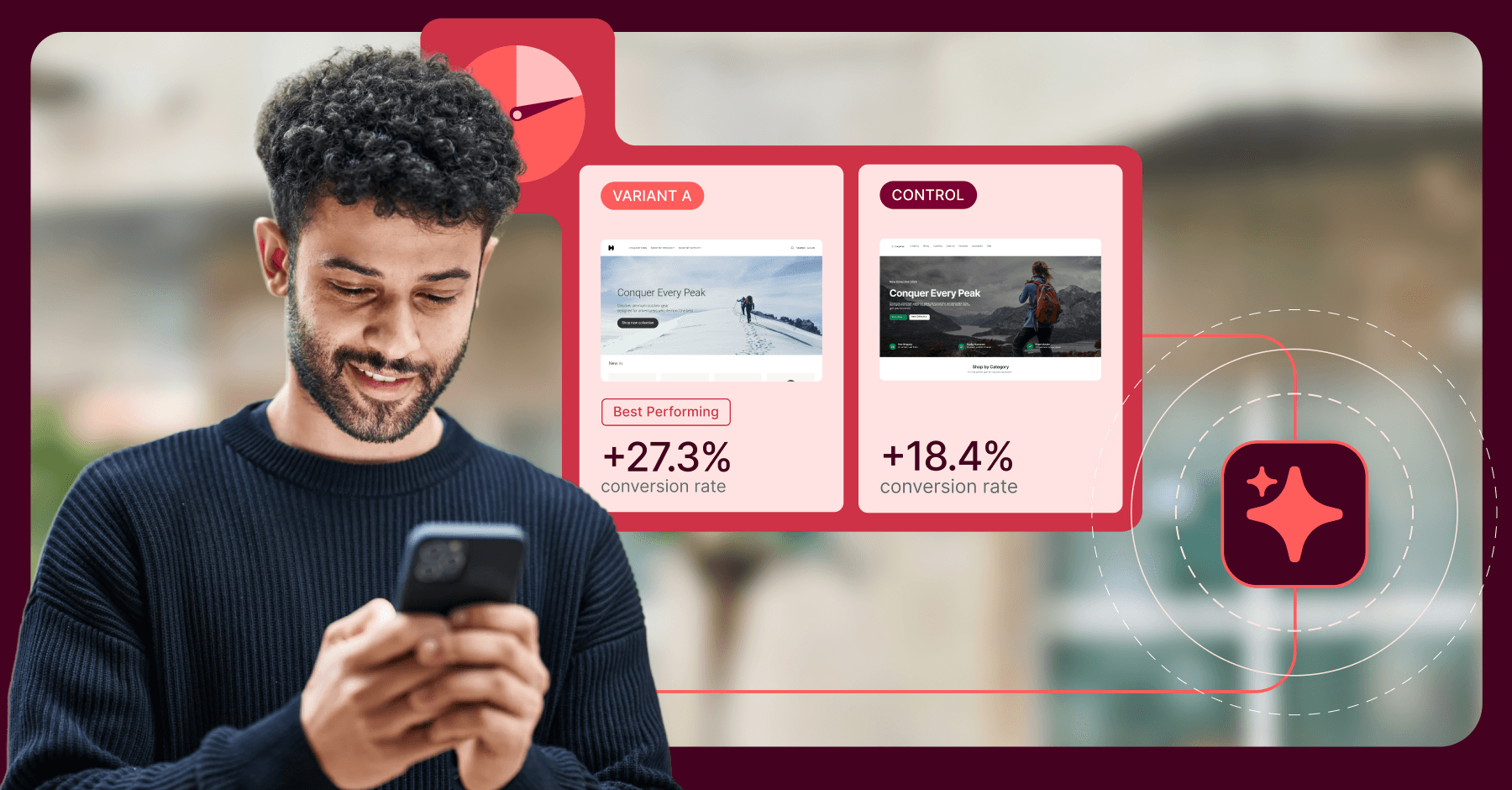

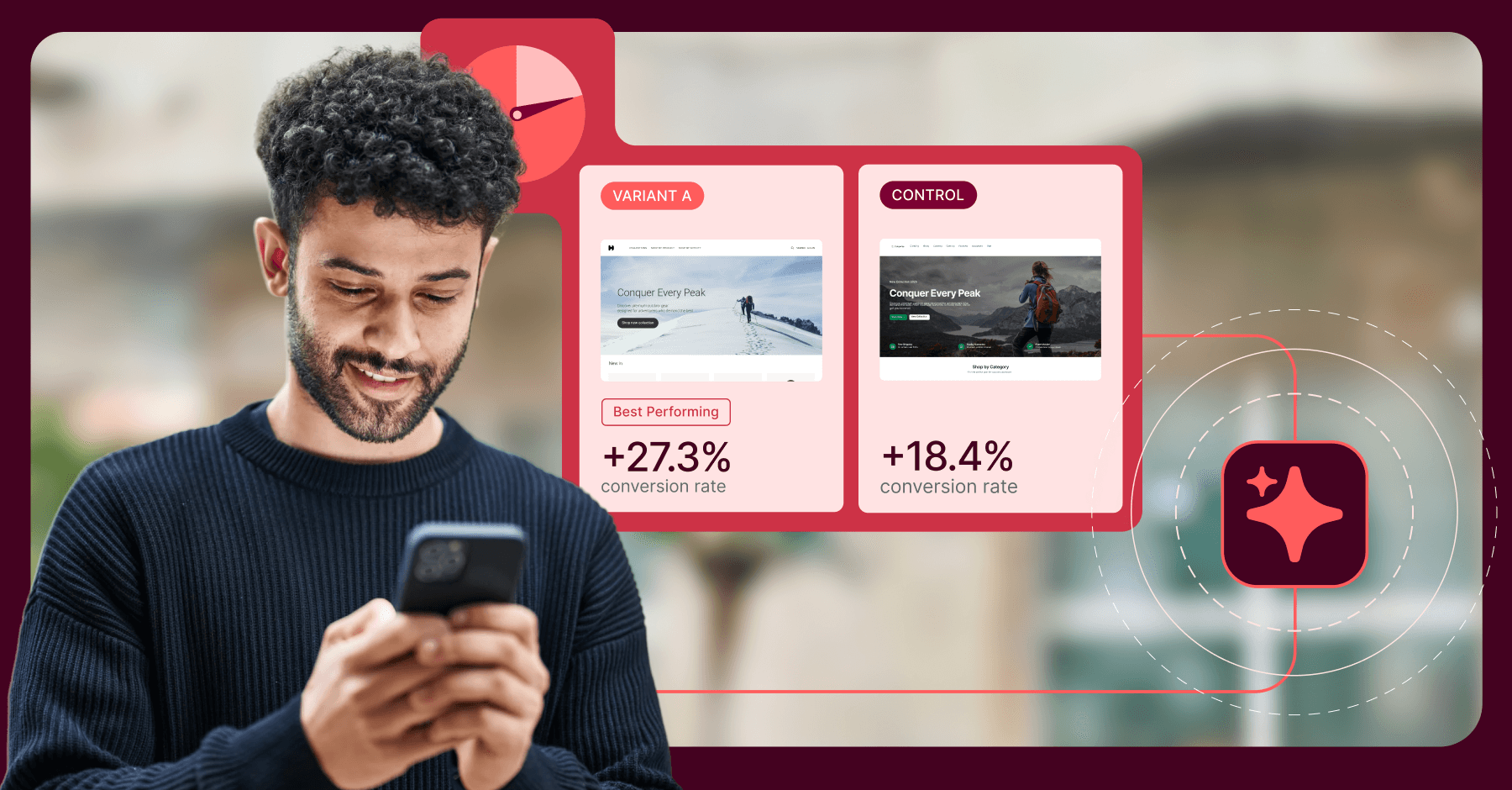
Contentsquare has rebuilt its experience analytics platform to track how AI agents and chatbots interact with websites and apps, not just human visitors. The Paris-founded company unveiled the overhauled product on 13 October. It argues that a growing share of traffic to brands' digital properties now comes from large language models and autonomous software agents rather than people clicking through a browser.
The move matters for European retailers, banks and travel brands that built years of web and app analytics around human sessions. Contentsquare's bet is that those teams now need a single view covering chatbot conversations, voice interactions and AI agents acting on a customer's behalf. Whoever controls that view, the company reckons, controls how brands react to the shift.
What the new platform actually does
The rebuilt system, which the company calls its Experience Platform, pulls signals from web, mobile, conversational and agent channels into one record of each customer's journey over time. Contentsquare says it is drawing on roughly a decade of behavioural data collected across its customer base to do this.
Several capabilities are new or expanded:
- Analytics that separate human sessions from LLM and agent traffic. A brand can see how it performs in "LLM referral" and in agentic commerce, where software buys on a person's behalf.
- Conversation intelligence that folds chatbot dialogue and voice interactions into the same journey map as site and app activity. A frustrating chat exchange can be linked back to friction elsewhere on a page.
- Journey tracking across multiple sessions, devices and channels. It is paired with monitoring of the WebMCP protocol to catch autonomous agent activity that conventional tools miss.
- Attribution that spreads credit for a conversion across the whole path a customer took, including AI-referred steps, instead of crediting only the final click.
Contentsquare has also wired the platform into the Model Context Protocol, the standard several AI companies use to let their tools pull in outside data. That means its data can now surface directly inside Claude, Microsoft Copilot, ChatGPT, Figma, Cursor, Dust, VS Code Copilot and Amazon QuickSight, rather than only inside Contentsquare's own dashboard.
Sense moves from flagging problems to fixing them
The company's existing AI layer, called Sense, is being pushed further up the workflow. Previously built mainly to flag friction points and estimate their cost, Sense can now draft tickets and notifications straight into a team's existing tools, and it has gained a mobile app plus a daily briefing delivered through Microsoft Teams or Slack.
The bigger change is what Contentsquare calls agentic experimentation. Sense can now form a hypothesis about why a page is underperforming, design and build a test for it, launch that test, and check whether it improved revenue. A human only needs to approve the plan rather than build it. A new Benchmarks feature, built on ten years of zone-level data, lets a brand compare specific page elements or flows against industry peers and see whether the difference actually changes performance.
Alongside the platform, Contentsquare announced integrations with testing and personalisation vendors Dynamic Yield, Optimizely and Kameleoon, companies that have historically competed for some of the same budget. Pairing with them instead suggests Contentsquare wants to be the data layer those tools run on, rather than only a rival product.
Why it matters for European brands
Founded in Paris in 2012 by Jonathan Cherki, Contentsquare grew from heatmaps and session-replay tools into a unicorn with more than 1,800 staff, backed by a $600m growth round led by Sixth Street Growth in 2022. Its customer base skews toward large consumer brands and retailers across Europe and the US, including names such as Crocs.
"The rules of customer experience are being rewritten," Cherki said in the announcement, adding that brands now need a consolidated view covering not only their customers but the AI agents acting on their behalf.
Feliz Papich, SVP for digital technology, experience and insights at Crocs, described the problem the platform is meant to solve: "Customers don't move in a straight line anymore, they're bouncing between our app, our site, a chatbot, sometimes an AI agent we can't even see directly."
What happens next
The new platform is live in beta for a limited set of customers, with Contentsquare saying broader access will roll out in phases. The company has not said when general availability will arrive or disclosed pricing for the new capabilities. For European e-commerce and SaaS teams already budgeting for 2027, the open question is how quickly AI agent and chatbot traffic actually becomes large enough to justify retooling analytics stacks around it, rather than treating it as a side case within existing human-focused dashboards.
What did you think of this story?
Written by
John Pulisic
92 stories on European Startup Insider
Have a story like this? Pitch it to us.
We publish founder profiles, company news and practical guides from across Europe.
More stories like this







Monzo hands the top job to ex-Google and Standard Chartered executive Diana Layfield as TS Anil steps aside
Monzo has named Diana Layfield, who spent nine years at Google and ran Standard Chartered in Africa, as Group CEO. TS Anil, who led the bank for over five years, moves to an advisory role as listing talk grows.