

Isar Aerospace's Spectrum rocket becomes first private launcher to reach orbit from Europe
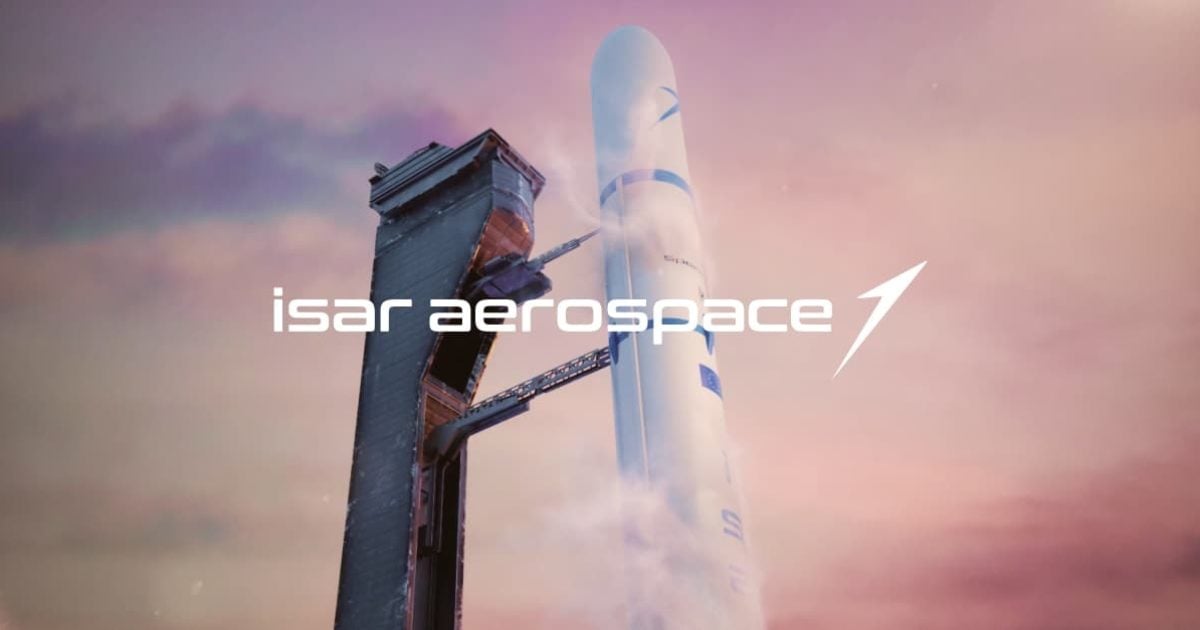

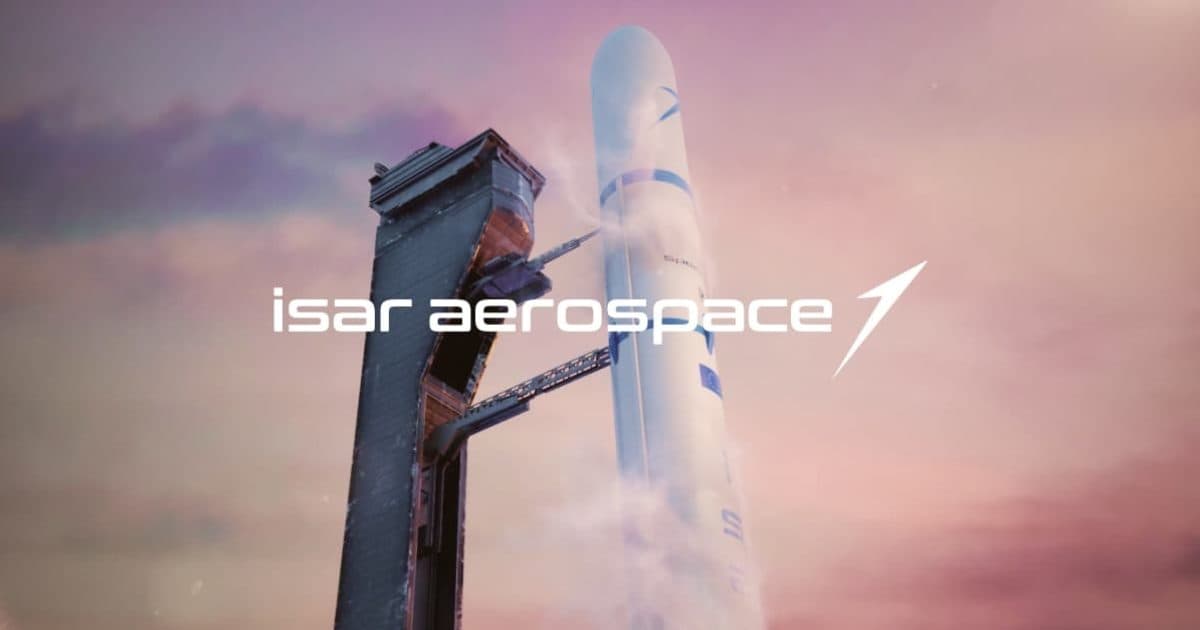
Isar Aerospace put its Spectrum rocket into orbit on 5 September, releasing all of its customer payloads on only the second flight of the vehicle. It is the first time a privately built, commercially operated rocket has reached orbit from continental Europe, a threshold that had eluded the continent's launch startups for years.
The mission, named "Onward and Upward", lifted off from the Andøya Spaceport in northern Norway, inside the Arctic Circle. Most of the satellites on board have since made contact with ground controllers and begun operating, according to the Munich-area company.
What flew and who paid for it
The rocket carried a set of five small satellites built by university and industry teams from Germany, Slovenia, Bulgaria, Norway and Austria, plus a separate technology demonstration payload from the German firm Dcubed. The satellites were chosen through the German Space Agency at DLR's Microlauncher Competition, a scheme funded via a European Space Agency programme for cut-price orbital access that gives startups and university teams a shot at flying hardware.
Spectrum itself is a modest vehicle by orbital standards: 28 metres tall, two metres wide, powered by ten engines, and rated to carry up to 1,000 kg to low Earth orbit. That puts Isar in the small-launcher category alongside firms chasing the growing market for dedicated rides for CubeSats and small satellite constellations, rather than competing directly with heavy-lift providers.
The first stage carried out a controlled descent into a designated zone of the Norwegian Sea after separation. Isar has not claimed a recovery or reuse capability from this flight; the manoeuvre points to work on controlling the booster's re-entry rather than landing it.
Why this flight mattered more than the first
Isar's first Spectrum flight, launched from the same Norwegian pad in March 2025, failed shortly after liftoff. That made the second flight a test of whether the company's fixes held, and whether European taxpayers and private investors backing the country's launch ambitions would see a return on the wager. They did: Isar says most of the mission's satellites are now operating in orbit.
The achievement lands at a moment when the European Union and ESA are trying to build a roster of commercial launch providers to reduce the continent's reliance on non-European rockets, through an initiative known as the European Launcher Challenge. Isar's flight makes it the first company in that push to actually reach orbit, ahead of rivals such as Rocket Factory Augsburg and PLD Space, which are still working toward their own orbital debuts.
Daniel Metzler, the company's chief executive and one of its three co-founders, has described the venture's ambitions in terms of building sovereign capability for Europe rather than a single successful launch. Isar frames this flight as proof of concept rather than an end point.
Scaling up production near Munich
Isar is now ramping up manufacturing at its newer headquarters near Munich, in Ottobrunn, where it says it is building toward capacity to produce up to 40 Spectrum vehicles a year. That figure, if reached, would represent a sharp jump in cadence for a European launch company and would require the kind of vertically integrated, automated production Isar has built its pitch around since founding in 2018.
The company, started by Metzler alongside Markus Brandl and Josef Fleischmann, has raised well over half a billion euros across several rounds, including a €270m round in June 2026 led by Island Green Capital and Molten Ventures that it pitched explicitly around providing "sovereign space capabilities." Earlier backers include the NATO Innovation Fund, which joined an extended Series C in 2024, and Eldridge Industries, which provided €150m in financing in 2025. The scale of that backing reflects how much European governments and investors want a credible alternative to depending on SpaceX or non-European rockets for satellite launches.
The commercial response came quickly. Within days of the successful flight, Isar signed a multiple-launch agreement with the US company SEOPS covering five dedicated launches between 2028 and 2030, an early signal that customers are willing to book flights on the strength of one successful mission.
What is still unproven
A single successful orbital flight does not establish a reliable launch cadence, and Isar has not yet demonstrated repeat flights, booster reuse or the production rate it is promising at Ottobrunn. The next test for the company will be how quickly it can turn this validation into a regular schedule of commercial missions, and whether its backers' bet on sovereign European launch capacity pays off at the volumes the market, and governments, are hoping for.
What did you think of this story?
Written by
John Pulisic
92 stories on European Startup Insider
Have a story like this? Pitch it to us.
We publish founder profiles, company news and practical guides from across Europe.
More stories like this






Mollie closes GoCardless deal, builds one platform for 350,000 firms
The Amsterdam payments group has finished buying UK bank-payments fintech GoCardless, merging cards, direct debit and accounts into a single European platform spanning 30-plus markets.