

Trade Republic hits €12.5bn valuation as early backers cash out €1.2bn
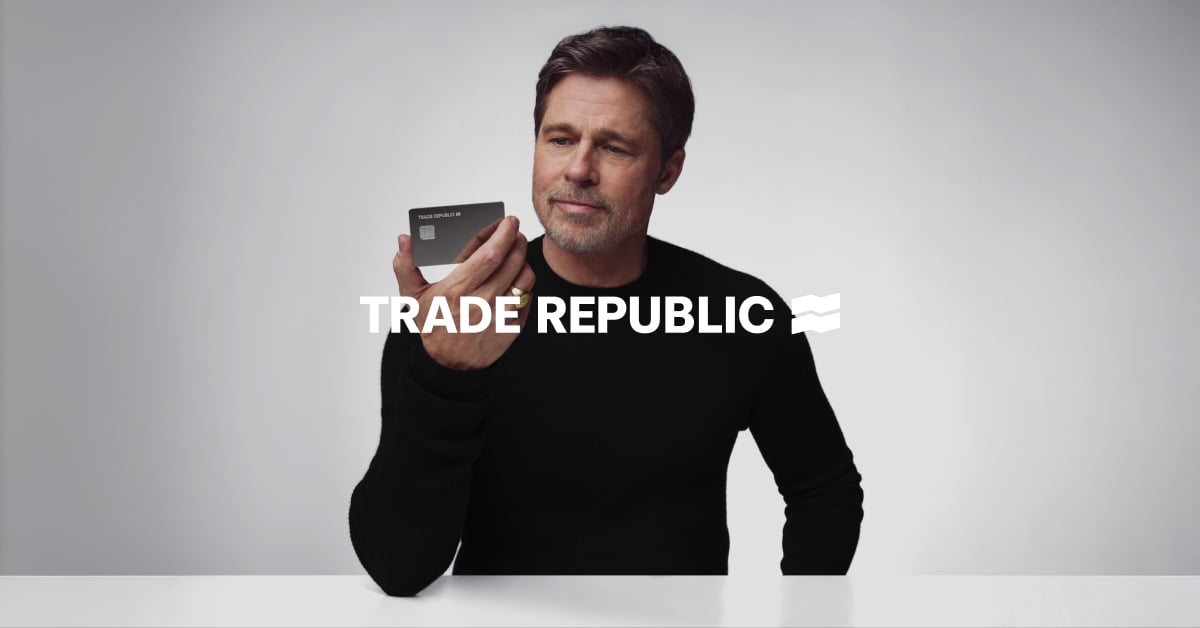

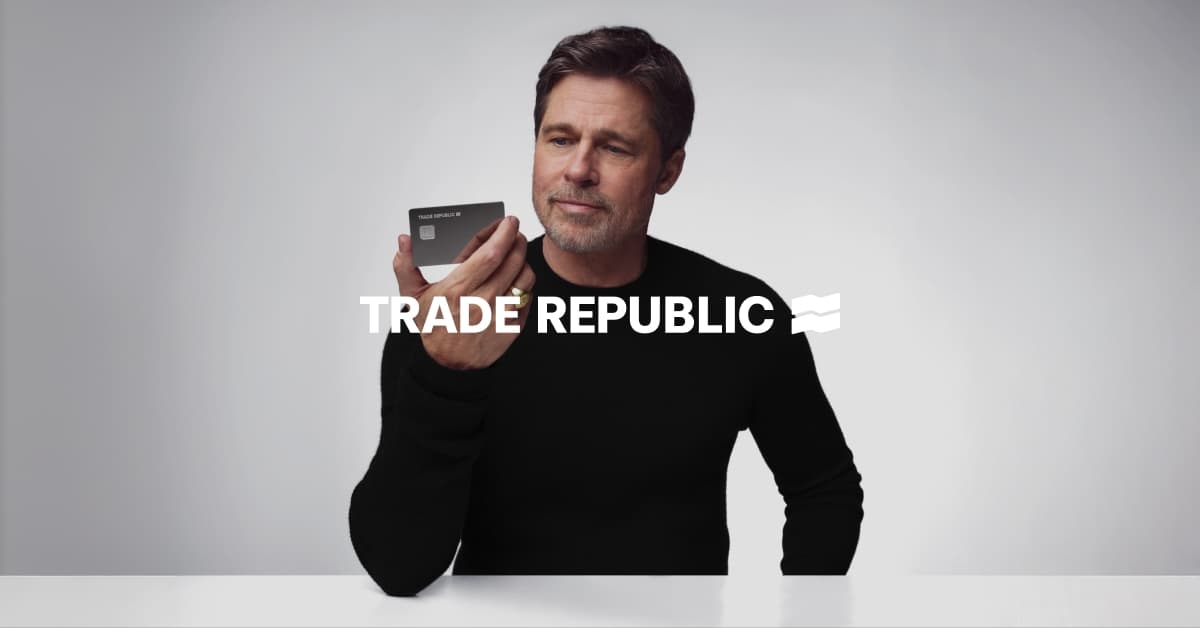
Trade Republic has been valued at €12.5bn after a €1.2bn secondary share sale led by Founders Fund, more than doubling the price tag the Berlin-based broker carried in 2022. The deal brings in Wellington Management, GIC, Fidelity Management & Research and Khosla Ventures as new shareholders, while Sequoia, Accel, TCV and Thrive Capital all topped up existing stakes.
No new money went into Trade Republic's own accounts. In a secondary transaction, shares change hands between investors rather than being issued by the company, so this round was about who owns the business, not how much cash it has. Early shareholders sold roughly €1.2bn worth of stock, and buyers included Lingotto Innovation and Aglaé, the investment arm tied to the Arnault family, alongside the household names in asset management.
Why investors are buying in now
The new valuation pushes Trade Republic past the $10bn mark that commentators use to mark out Europe's rare "decacorns," a club with few members outside fintech strongholds like Stripe or Klarna. Trade Republic said it has now posted profitable growth for three straight years, a track record that helps explain why institutional buyers with long time horizons, such as sovereign wealth fund GIC and asset managers Fidelity and Wellington, were willing to pay up for existing stock rather than wait for a fresh primary round.
The company's user numbers back up that pitch. It says its customer base has doubled over the past 18 months to more than 10 million people across Europe, who between them hold about €150bn in assets through the platform. Trade Republic puts the share of first-time investors among those customers at roughly 70%, which is the figure it leans on when arguing that it is pulling new money into markets rather than just taking share from rival brokers.
Christian Hecker, Trade Republic's co-founder and chief executive, framed the raise as proof that retail investing culture in Europe still has a long way to run.
"This transaction underlines that the cultural shift to retail investing in Europe is only starting. Especially since governments such as Germany start meaningful pension reforms to foster private stock ownership in the broader public," Hecker said.
Hecker also tied the deal back to the company's founding pitch: the idea that state pensions across Europe will not stretch far enough for younger savers. "Every day, thousands across Europe start building wealth with Trade Republic," he said, pointing to the jump in customers and assets under management over the past year and a half.
From stock trading app to banking platform
Trade Republic was set up in 2015 by Hecker alongside Thomas Pischke and Marco Cancellieri, and it has spent the years since building out from a bare-bones trading app into something closer to a full bank. It secured a full banking licence from the ECB back in 2023. That license let it widen its product line beyond commission-free stock and ETF trading into a savings account, a debit card with cashback, and ETF savings plans.
Since getting that licence, the company has rolled its offering out into France, Italy, Spain, the Netherlands and Austria, rather than staying confined to its home market. This year it added child savings accounts and pushed into new asset classes, including private markets, fixed income and a crypto wallet, broadening the range of products customers can hold in one account.
That expansion is the backdrop against which the €12.5bn price tag makes sense. Trade Republic is no longer pitching itself purely as a cheap way to buy shares; it is competing for the kind of everyday banking relationship that savings banks and neobanks have traditionally held across the continent, against rivals such as Scalable Capital and the investing arm of Revolut. Whether that broader bet pays off now rests less on finding new investors, who clearly lined up for this one, and more on whether millions of first-time investors stay once interest-rate promotions and market conditions change.
The company has not said whether it plans a primary fundraising round or a public listing next, leaving open how it will eventually give its newest institutional shareholders a route to cash out in turn.
What did you think of this story?
Written by
John Pulisic
92 stories on European Startup Insider
Have a story like this? Pitch it to us.
We publish founder profiles, company news and practical guides from across Europe.
More stories like this





Lundbeck turns to Cradle's AI for antibody discovery in brain disorders
The Danish pharma giant is deploying the Dutch startup's protein engineering platform across two CNS programs, validating AI's role in early-stage drug discovery.