

Pichai says Gemini 4 demand has outrun Google's compute and backs space data centres
Google chief Sundar Pichai says Gemini 4 Argon handled almost 25 trillion tokens in 72 hours, three times its predecessor, leaving Google short of compute. He also talked about Waymo and data centres in orbit.

Google is short of computing power even after spending heavily on it. That was the main message from Sundar Pichai, chief executive of Google and Alphabet, in a podcast interview with journalist Alex Heath published on 21 October, a week after Google widened the release of its newest model, Gemini 4 Argon.
Pichai covered the model's launch, leadership changes at Google DeepMind, Google's plans for personal AI agents, its spending, and longer bets including Waymo and putting data centres in space.
Gemini 4 and the compute squeeze
By Pichai's count, close to 25 trillion tokens went through Argon in the three days after launch, roughly triple the volume Gemini 3 saw over its own first three days. He did not say which products the figure covers.
Demand on that scale has left Google with capacity constraints. Argon is currently limited to the developer API and paying Gemini subscribers, and Pichai said Google is building smaller, more efficient versions through distillation so it can widen access over time. He gave no date. He named coding as the main area where the model still needs to improve, and said hallucinations remain a built-in limit of today's technology.
He also said Google submits its models to the US government for testing before release, even though that review is voluntary, and described it as a change from a year ago.
DeepMind changes and Google's personal agent
Asked about recent changes at Google DeepMind, where Demis Hassabis has stepped back from day-to-day leadership, Koray Kavukcuoglu has taken over and Jeff Dean has left to start a company, Pichai said building frontier models has become all-consuming work. Hassabis, he said, wants to spend more time on AI safety and science, including at Isomorphic Labs, and remains DeepMind's chair.
On the race for personal AI agents, Pichai described Gemini as moving towards "one box" that can hold a conversation, run a scheduled task or keep working in the background after the user leaves. More and more of what people ask Gemini to do is already work of this sort, he said, adding that agents could tie Search, Gmail and Gemini together by carrying a user's context across products.
Spending, and data centres in orbit
Pichai defended Google's capital spending as free cash flow turns negative, pointing to demand from consumers and businesses and to long-term contracts with committed revenue. "It's not just hope," he said. The hard part, in his account, is that Google lives with compute decisions taken two years ago.
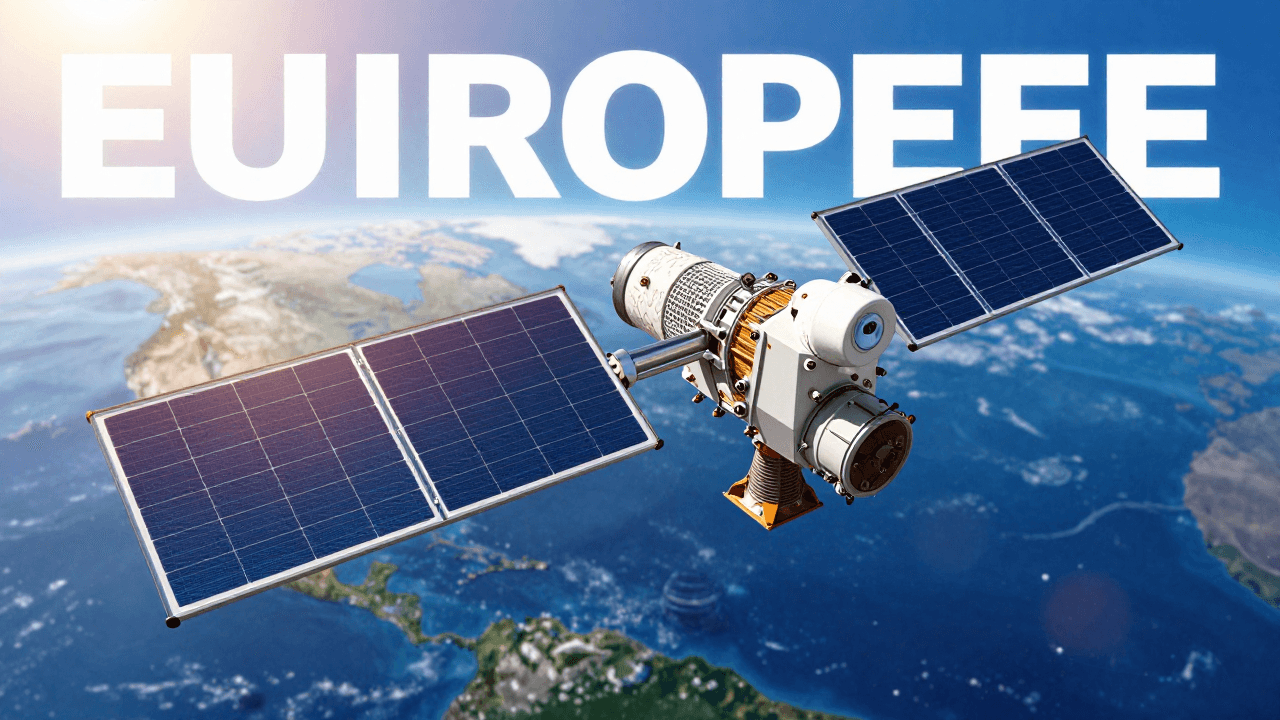
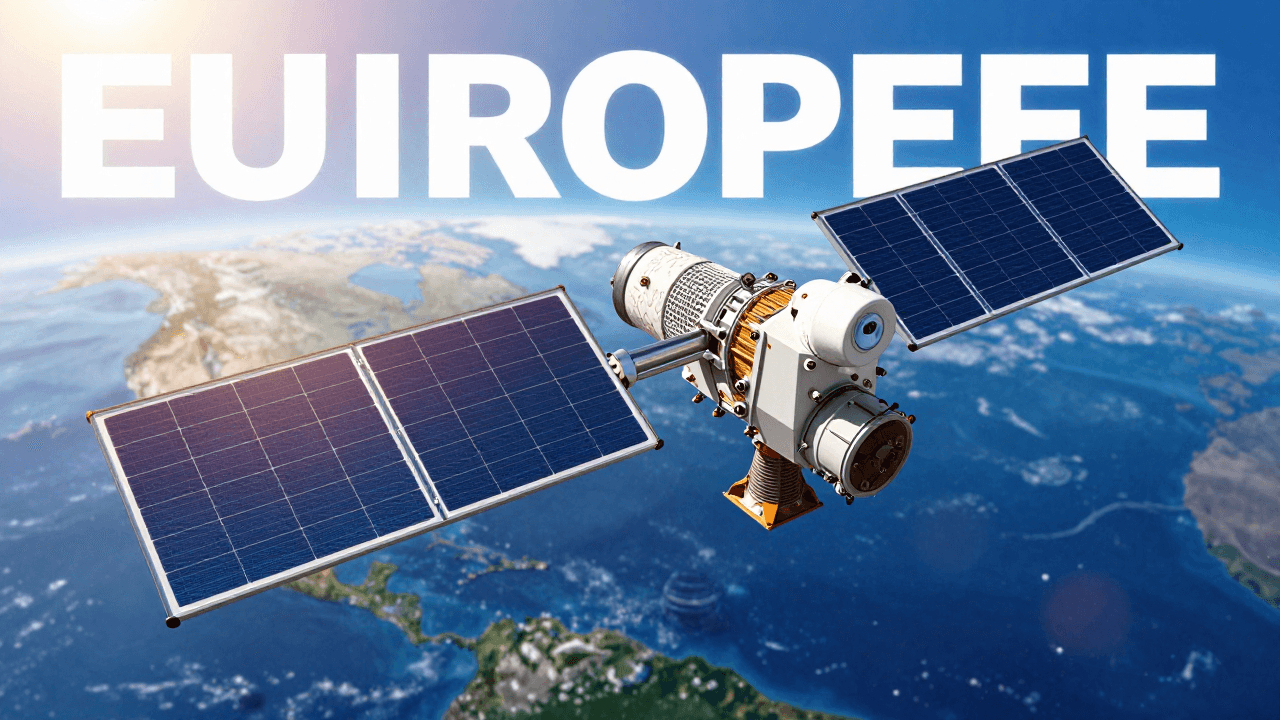
The most unusual part of the conversation was Project Suncatcher, Google's effort to put AI data centres in orbit. Pichai said space offers near-constant solar power and escapes the struggle to find room on the ground for decades of growing demand. He compared it with Waymo in its early days, when the idea also sounded like science fiction, and spoke of a 10- to 20-year horizon. He said the first pilot is going well. He also discussed what comes next for Waymo and Wing, Alphabet's drone delivery business, and when quantum computing might become a real business.
Why it matters for European AI companies
If Google cannot get enough compute, smaller players will feel the squeeze harder. Pichai said capacity for next year is very hard to secure, which affects European start-ups that rent cloud GPUs and TPUs and are already competing for supply.
His comments also point to where Europe's own debate is heading: energy and land are becoming limits on AI growth, a point already pressing in European grids. How quickly Google's lighter versions of Argon arrive, and at what price, will shape the cost of building on Gemini over the coming months.
Cosa ne pensi di questo articolo?
Scritto da
John Pulisic
110 articoli su European Startup Insider
Hai una storia come questa? Proponila.
Pubblichiamo profili di fondatori, notizie aziendali e guide pratiche da tutta Europa.
Altri articoli simili



Meta creates non-voting shares so Zuckerberg could pay California's billionaire tax
Meta is creating a new class of non-voting stock that Mark Zuckerberg could sell to pay a proposed California wealth tax without losing control. In return he has committed to stay in the state for eight years.