

ESA chief Aschbacher visits the UAE as Europe seeks space partners beyond the US
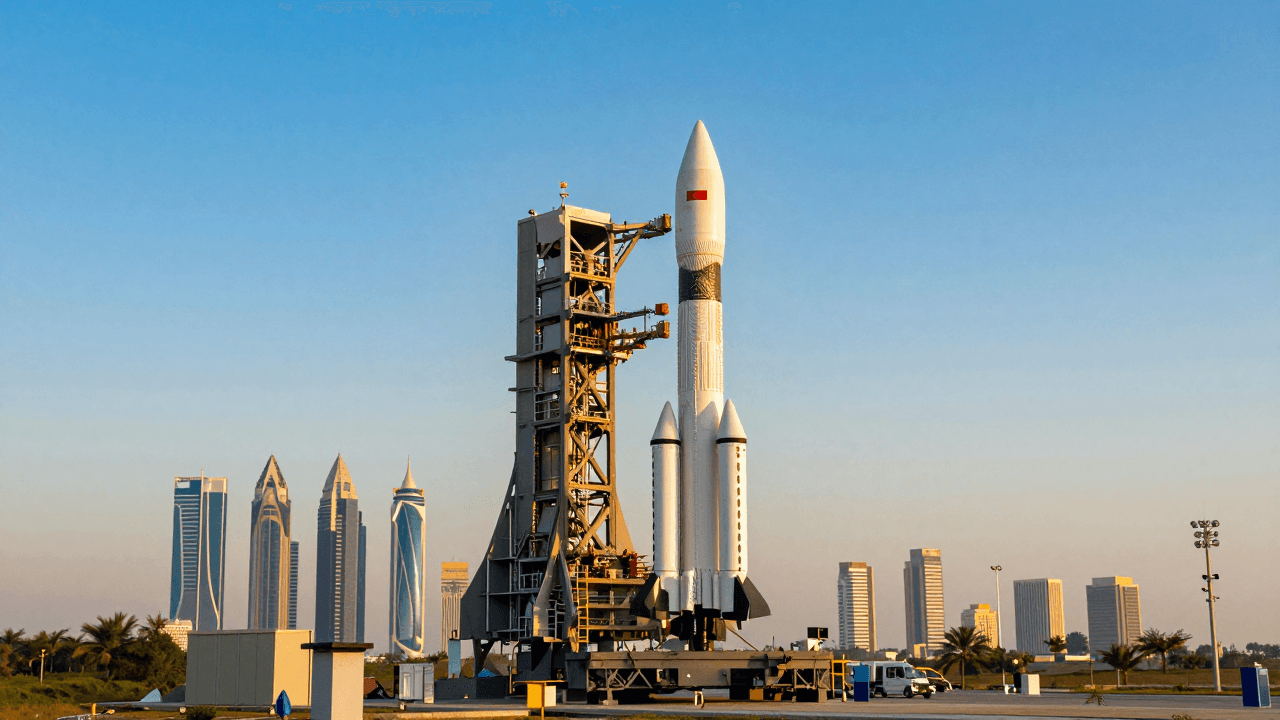

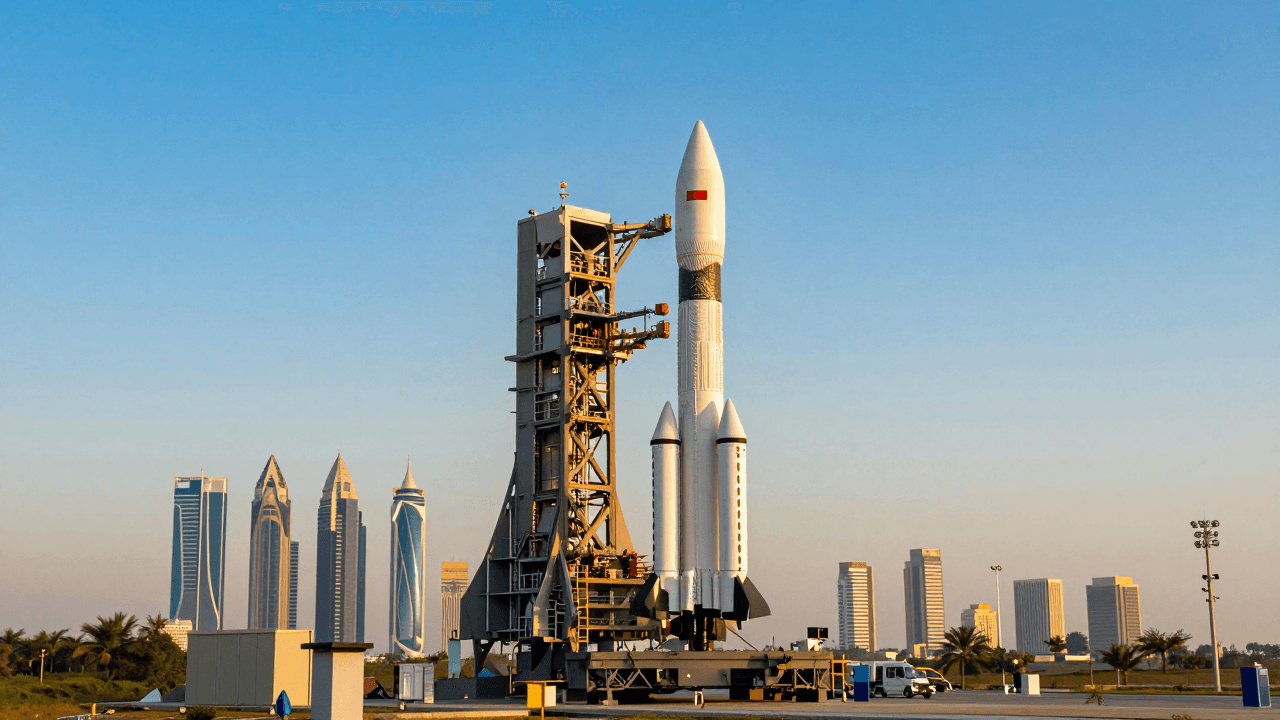
The head of the European Space Agency, Josef Aschbacher, is in the United Arab Emirates this week for meetings in Dubai and Abu Dhabi, as Europe looks for partners that would make it less dependent on the United States in space.
The trip comes after NASA scaled back or stopped several joint projects with Europe. For Europe's space start-ups, a new partner with money and launch ambitions could matter as much as any single contract.
Why Europe is looking elsewhere
Aschbacher told Reuters that Europe had learned how exposed it is to the US in exploration, and that European political leaders had asked him for more autonomy and strength. His first priority, he said, is to build Europe's own capability, while using that strength to keep working with others.
The decades-long partnership with NASA has weakened. Washington has scaled back or halted shared programmes, including the Lunar Gateway, a planned station in orbit around the Moon, and the Mars Sample Return mission. According to Aschbacher, about 5% of ESA's budget is tied to cooperation with the US. Europe also depends on American providers to fly its astronauts.
The rise of SpaceX has made that dependence more visible. Europe's own launch capacity has lagged, and US companies now carry much of the world's traffic to orbit.
What is on the table with the UAE
Over the longer term, ESA hopes to sign a framework agreement with the UAE. Current talks cover a possible launch of a lunar rover and the chance of an Emirati astronaut joining EPIC, a programme that would fly a crew to the International Space Station on a SpaceX spacecraft.
The UAE has built a serious space programme quickly. It sent the Arab world's first mission to Mars in 2020, operates several satellites and has flown two of its citizens to space. It cannot yet launch on its own, and it has no independent satellite navigation system comparable with Europe's Galileo or the American GPS.
During the visit, Aschbacher will also see a joint venture between Loft Orbital, a Franco-American start-up, and Abu Dhabi-backed Marlan Space, which plans to build a satellite constellation. That follows an agreement between France and the UAE to deepen their strategic defence ties.
The money question
Asked whether the UAE might invest in projects with ESA, Aschbacher declined to talk about ongoing negotiations. In September he said Europe would need €10bn over the next ten years to strengthen its independence in space.
He said that funding gap might come up with the UAE, but that European governments must first agree how much they will put in themselves. "Once this decision is made, we will look into international cooperation," he said.
Why it matters for European space start-ups
Europe's commercial space sector, from launch companies in Germany and France to satellite and Earth-observation firms across the continent, depends heavily on public programmes and institutional customers. A broader set of partners could open new contracts, missions and co-investment.
Gulf states have also become active investors in technology, and joint ventures such as the one between Loft Orbital and Marlan Space show one route in. The next step is for European ministers to settle ESA's own budget; only then, by Aschbacher's account, will the agency turn to outside money.
Jak oceniasz ten artykuł?
Autor
John Pulisic
110 artykułów na European Startup Insider
Masz podobną historię? Zaproponuj ją nam.
Publikujemy profile założycieli, wiadomości o firmach i praktyczne poradniki z całej Europy.
Więcej podobnych artykułów

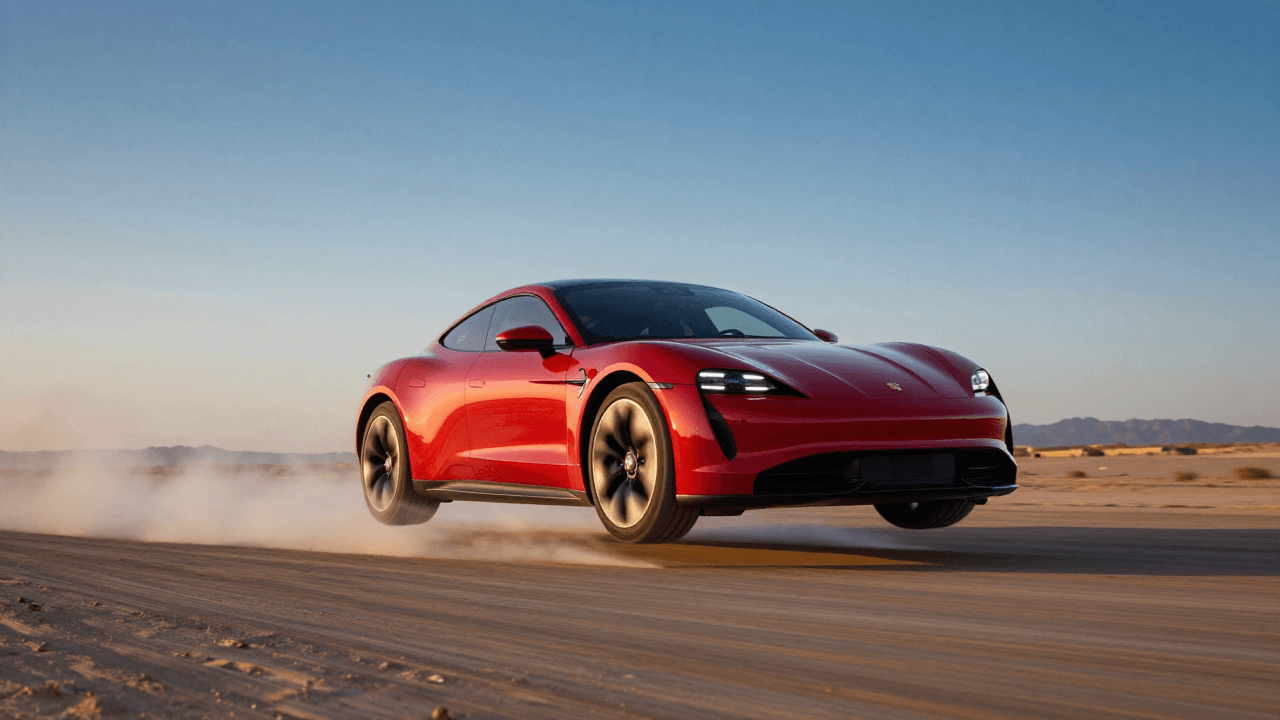



Tesla shows a Roadster it calls a flying car, but experts say it only hops
Elon Musk unveiled a new Tesla Roadster that uses high-pressure air jets to leap, flip and land. Tesla calls it a flying car. Experts and US regulators are far less sure, and production is promised for 2028.