

Barcelona's Fermat raises $8m seed to take its fashion AI from sketch to factory and open in New York
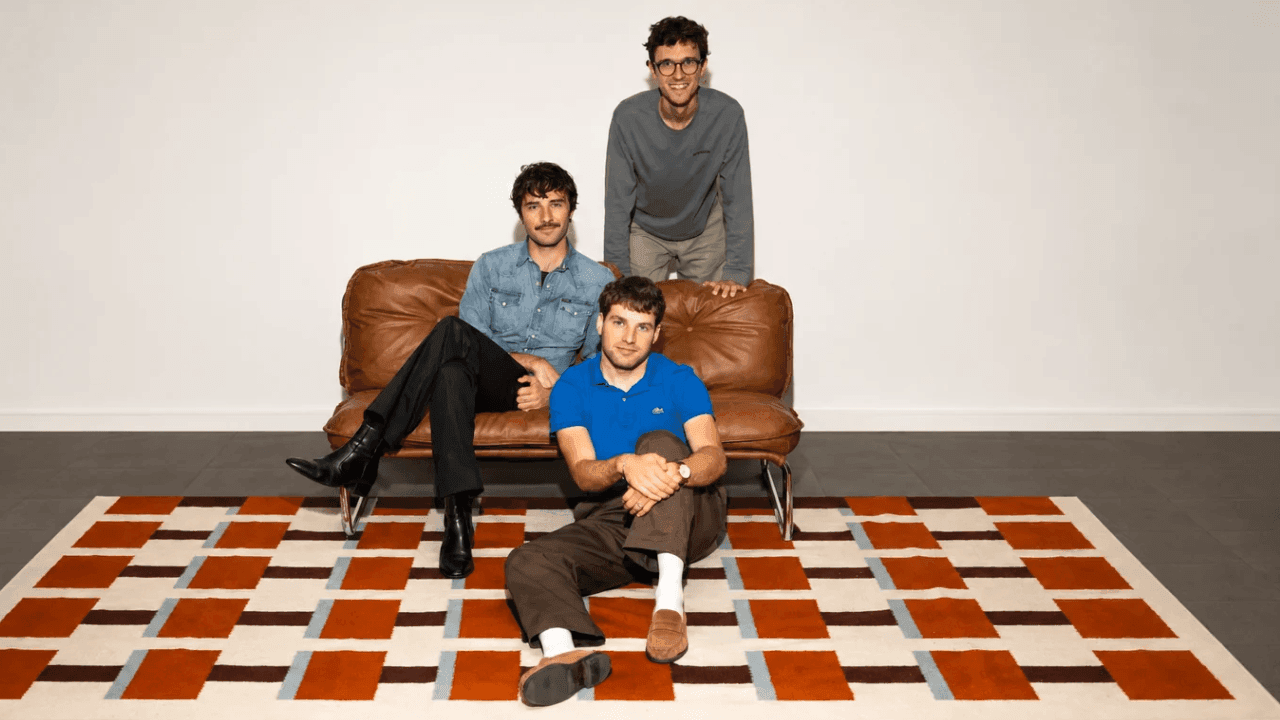

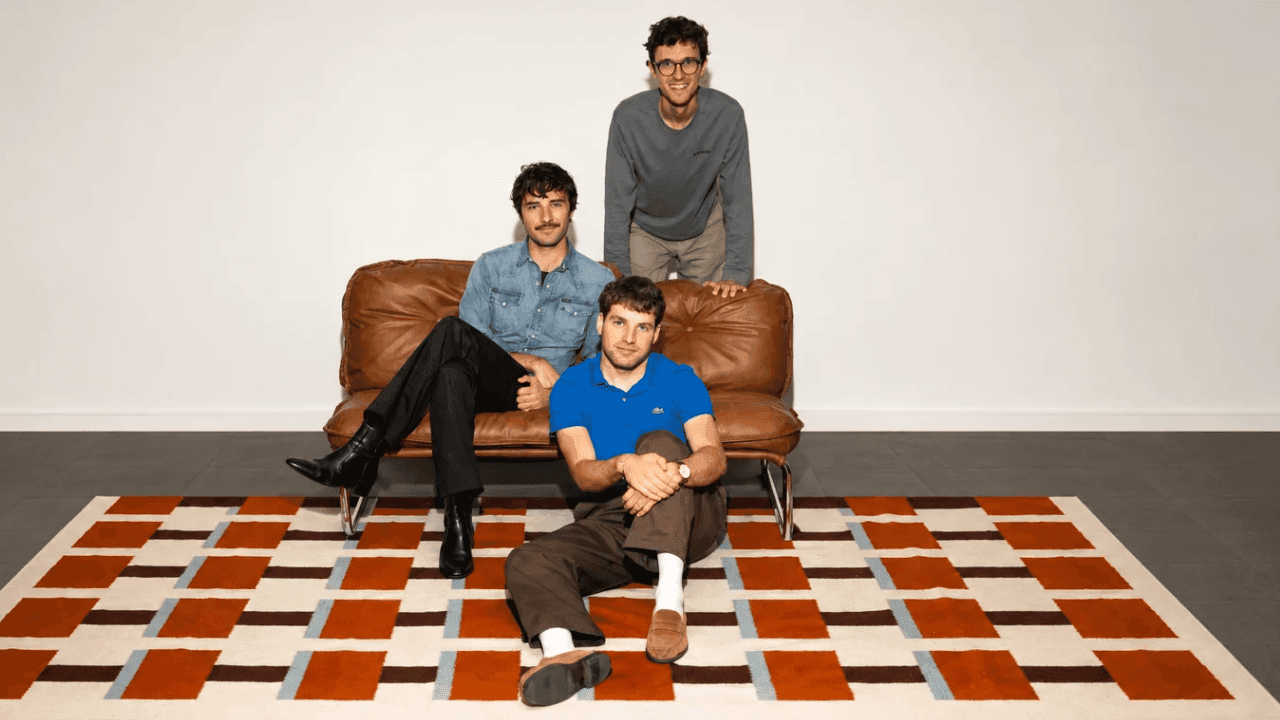
Fermat, a Barcelona startup that sells generative AI software to fashion design teams, has raised $8m in a seed round led by Kibo Ventures and Lunar Ventures. The company will use the money to open its first US office, in New York, and to stretch its product past the design stage into the paperwork that factories need before they can make a garment.
The round matters beyond Spain for a simple reason. Fermat already earns about a third of its revenue in the United States without a single employee there, which makes it one of a growing number of European vertical AI companies finding their biggest market across the Atlantic before they have built a team to serve it.
London's PROfounders Capital joined the round, along with Masia Ventures, Blue Wire Capital, Common Magic, Betaworks and the Barcelona entrepreneur Dídac Lee. The company did not disclose a valuation.
From moodboard to render
Fermat describes itself as a software layer that sits between a designer's first idea and the finished product. Its platform bundles AI models trained for fashion work: a designer can feed in a sketch or a moodboard, get back a realistic render, then try different fabrics, cuts and variations before anything is sampled. The company says customers keep control of their own data, designs and intellectual property, a point that matters to brands wary of feeding unreleased collections into general-purpose image tools.
The customer list is the strongest part of the pitch. Fermat says more than 350 customers in 14 countries use the software, Named clients include the British retailers ASOS and New Look, the American J.Crew Group, Germany's s.Oliver and Tendam from Spain. One report on the round put weekly users at more than 2,000 designers. The company also said its revenue has tripled since January.
Nick Eley, who heads digital product creation at ASOS, said the tool has cut the time it takes the retailer to produce samples. "Fermat transforms our sampling process from weeks to minutes," he said, adding that designers can now show suppliers what they want without making a physical sample first.
Fermat says it was founded in 2022, though some company databases give different dates. Its staff is split roughly evenly between fashion designers and engineers, which the company presents as the reason the product fits how design teams already work.
Where the $8m goes
The first use of the money is product. Fermat has launched Techpacks, a tool that turns a finished design into the specification a factory works from. A tech pack is the document that tells a manufacturer exactly what to build: flat technical drawings, construction notes, measurements, a bill of materials and the colour options. Fermat says its tool produces them in seconds.
That move takes the company beyond the creative end of the process and into the handover between brand and supplier, which Fermat calls one of the main bottlenecks in getting a garment made. It is a less visible step than rendering a new collection, but it decides how quickly a factory can start work.
"Fashion is an industry starving for good software tools, and generative AI is the first technology that can match its need for speed," said Pol Baladas, Fermat's co-founder and chief executive. He said the aim is for designers to use Fermat from the first sketch through to production.
The second use is geography. Baladas said opening in New York felt overdue given how much of the business already comes from the US. Big American apparel groups such as J.Crew are already customers, and a local team should make it easier to sell into others.
Why investors are backing fashion software now
Brands are under pressure to get collections into stores faster, while physical samples still take weeks to make and ship. According to S&P data cited in the Spanish trade press, 17 large fashion companies plan to spend a combined $40.9bn this year on technology, stores and supply chains, 12.5% more than in 2025, with AI and supply-chain digitisation among their priorities.
Jordi Vidal, a partner at Kibo Ventures, said the firm sees Fermat as the emerging leader in AI-native fashion design. He pointed to fast growth, churn he described as close to zero, and the way large brands have taken up the product from the bottom, one designer at a time, rather than through a top-down purchase.
Adoption of that kind is cheap to win and can spread quickly inside a large retailer. Production work is different: tech packs feed directly into supplier relationships and purchasing, so the tool has to win trust well beyond the design studio. If Fermat wins them over as well, it will be competing for a much larger share of a brand's software budget.
For European fashion tech, the round is a modest one in dollar terms. But it shows a Barcelona team with blue-chip British, American and Spanish customers choosing to fund a US office from a seed round, rather than waiting for a Series A. The next test is whether Techpacks gets the same bottom-up uptake from production staff that the design tool got from designers, and how quickly the New York team can turn existing US revenue into more accounts.
What did you think of this story?
Written by
Jascinta Clark
54 stories on European Startup Insider
Have a story like this? Pitch it to us.
We publish founder profiles, company news and practical guides from across Europe.
More stories like this






Dcubed raises €27.2m led by Warsaw Equity Group to quadruple satellite hardware output and fly ARAQYS
The Bavarian maker of release actuators and solar arrays closed an oversubscribed €27.2m Series A+ to quadruple production in Germany and the US and launch ARAQYS, a low-cost space power line.