
Checkout.com starts direct card acquiring in the US via its own Georgia charter

Checkout.com has begun processing US transactions through its own banking charter, ending years of groundwork that started with a 2025 application. The London-founded payments company said its state-level acquiring charter, granted by Georgia under the Merchant Acquirer Limited Purpose Bank rules, is now live and giving it direct access to Visa and Mastercard's networks in the country.
This changes how a European payments firm sits inside the US financial system. Checkout.com can now run part of its own acquiring plumbing instead of routing every transaction through a third-party sponsor bank. Few non-US processors have taken that step.
What the charter actually does
Georgia set up the MALPB framework back in 2012 specifically so merchant acquirers could plug directly into card networks without becoming full retail banks. A limited-purpose charter holder can underwrite merchants, hold network memberships and help settle card transactions, but it cannot make loans and can only take deposits from its own parent company. It also does not carry FDIC insurance.
Checkout.com applied for the charter in October 2025 and received approval roughly three months later, in January 2026. Going live this September marks the third and final stage of that process, following application and approval. Jordan Reynolds, who leads the MALPB and Checkout.com's North American banking operations, said the milestone followed "years of investment, regulatory rigor, and operational build-out to create a stronger acquiring foundation in the US."
He said running the charter would eventually let the company offer "stronger performance, greater resilience, AI-powered payment optimization, and more flexibility for enterprise merchants." Georgia's banking commissioner, "Bo" Fears, welcomed the company to the state, calling the milestone a reflection of its governance and long-term commitment.
Joining Fiserv and Stripe
This is not the first time a payments company has taken this route. Fiserv became the first to process a transaction under a Georgia MALPB charter in April 2025, and Stripe's own charter cleared to begin business in May 2026. The go-live puts Checkout.com alongside both, as one of a small group of large processors willing to take on the regulatory weight of running a limited-purpose bank rather than leaning entirely on sponsor relationships.
That weight is real. Georgia's charter terms require a holder to employ at least 50 staff in the state dedicated to merchant acquiring within a year of starting operations. That requirement helps explain the new Atlanta office, which sits alongside existing teams in New York and San Francisco. Direct acquiring does not replace every banking relationship, either. Sponsor banks still handle other parts of the US business domestically; the charter is an additional channel, not an exclusive one.
Why the US matters so much right now
The push into direct acquiring lines up with how fast Checkout.com's American business has been growing. US transaction volumes climbed over 80% in 2024, then close to 70% the following year, making the country its fastest-expanding market. Globally, the company processed around $300bn in ecommerce volume last year for enterprise clients that include Microsoft, Spotify and eBay.
Chief executive Guillaume Pousaz founded the company in 2012 and bootstrapped it for seven years before taking outside money for the first time in 2019, a $230m Series A led by Insight Partners and DST Global. A much larger round followed in January 2022: a $1bn raise backed by Altimeter, Dragoneer, Franklin Templeton, GIC, Insight Partners, Qatar Investment Authority, Tiger Global and the Oxford Endowment Fund. That capital has gone toward this kind of slow infrastructure build rather than a quick market entry.
For European fintechs watching from London, Amsterdam or Paris, the signal is less about one charter and more about what it takes to compete seriously in US payments: years of regulatory process, a sizeable local headcount commitment, and willingness to operate as a quasi-bank rather than just a software layer on top of one. Checkout.com says its next phase in the region will centre on scaling that new infrastructure and continuing to hire across its North American offices, though it has not put a figure on how much of its US volume will eventually run through the MALPB rather than its existing sponsor banks.
What did you think of this story?
Written by
John Pulisic
92 stories on European Startup Insider
Have a story like this? Pitch it to us.
We publish founder profiles, company news and practical guides from across Europe.
More stories like this
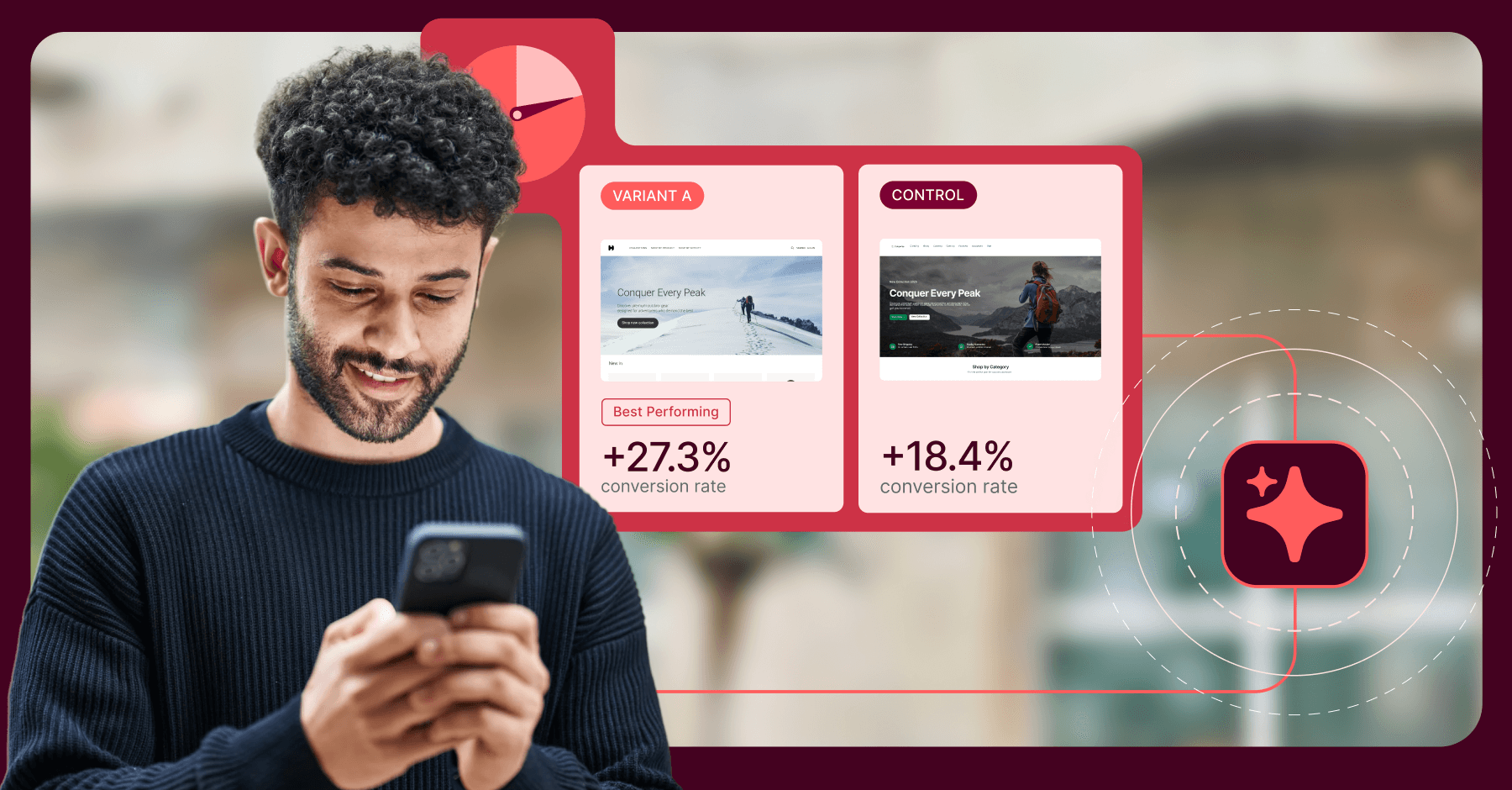





Marvel Fusion spins out laser subsidiary to commercialize fusion technology
Marvel Fusion has launched Caelora, a wholly owned subsidiary focused on bringing high-energy laser systems to market for fusion and scientific applications. The move establishes an immediate revenue stream while building the industrial supply chain the fusion sector depends on.