

Picnic raises €430m to pour into German grocery delivery build-out
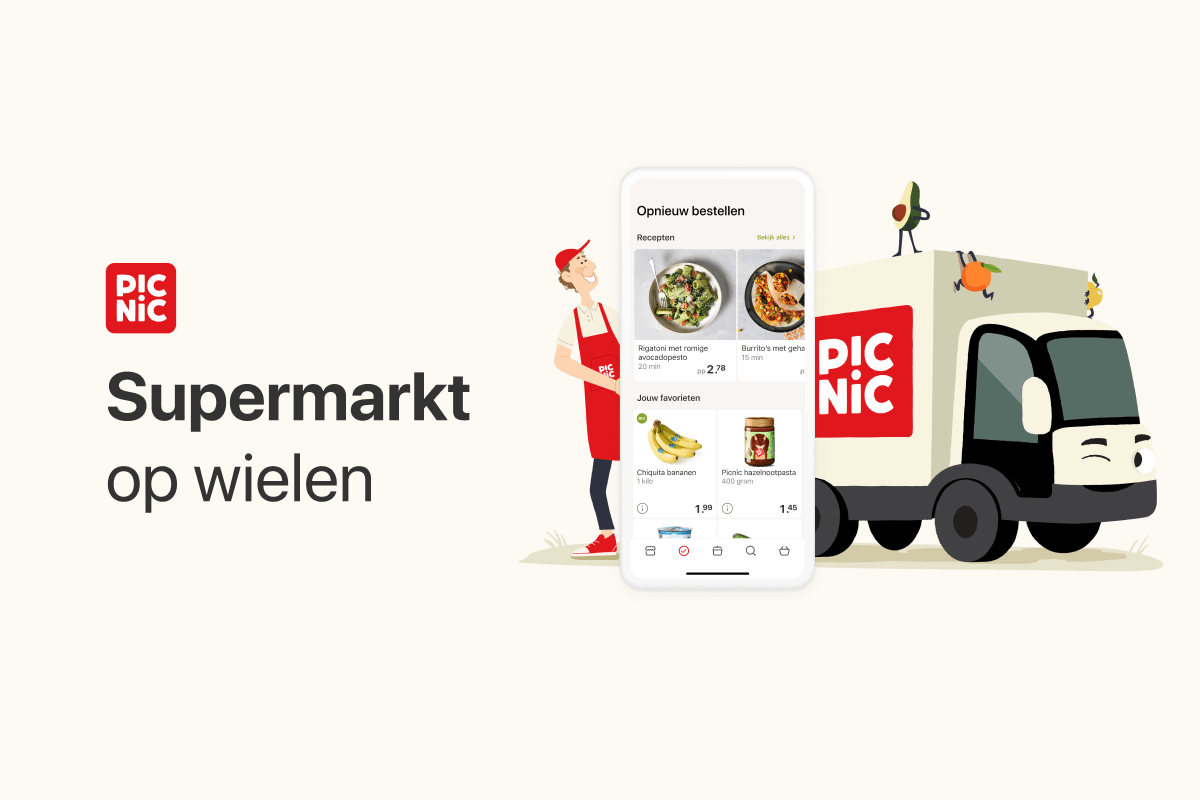

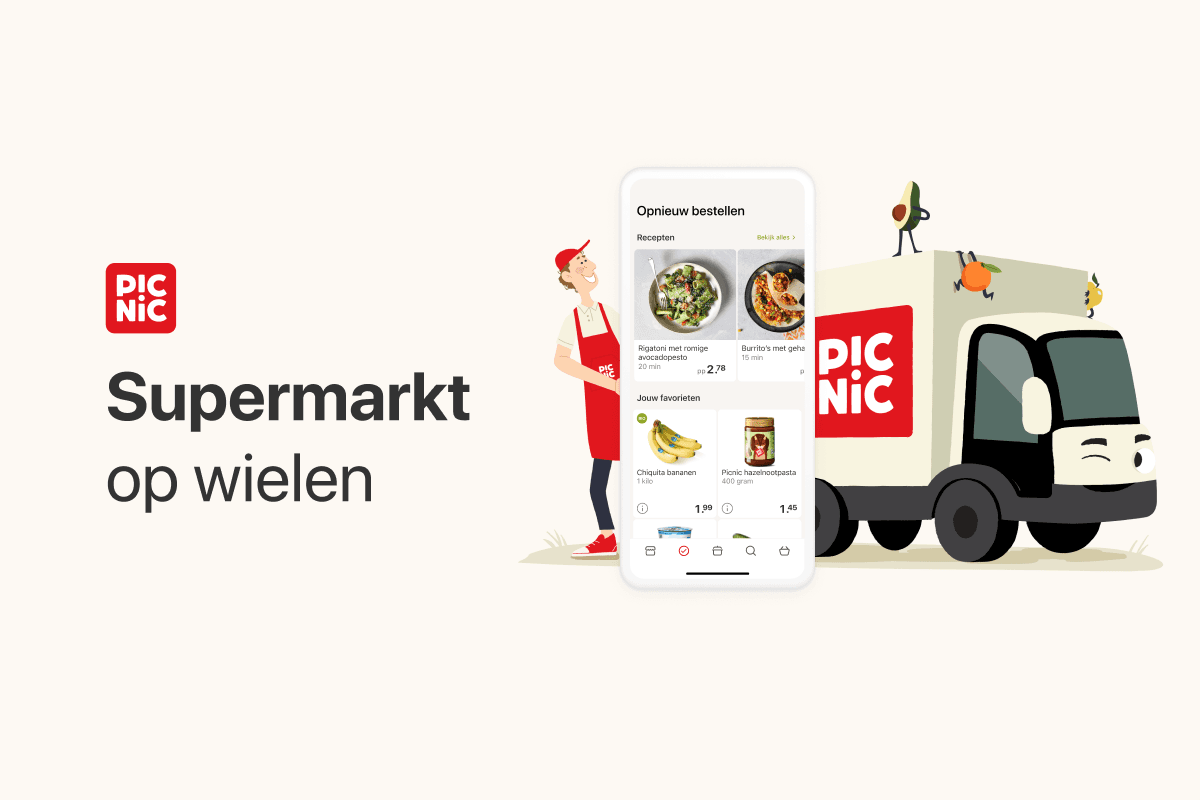
Dutch online grocery delivery company Picnic has raised €430 million from its existing investor base, in what it describes as the largest round yet for the ten-year-old business. The bulk of the money will go towards building out its logistics network in Germany, a market the company now calls its largest and where it says it has become the leader in online grocery delivery.
The round was backed by German supermarket group EDEKA, the Bill & Melinda Gates Foundation Trust, Amsterdam investment firm NPM Capital, and Dutch investor Hoyberg, all of whom had already put money into Picnic. No new names joined the round. The company announced the raise in The Hague, at an event marking the 120th anniversary of the German-Dutch Chamber of Commerce, a setting that underlines how central the German market has become to its story.
Why Germany gets most of the money
Picnic launched in the Netherlands in 2015, after its founders reportedly spent three years building the business quietly before going live. It entered the German market in 2018 and started operating in France three years later. The company says it now serves two million customers across 200 towns, delivered from seven distribution centres, using small electric vans and time-slotted delivery rather than instant quick-commerce.
Germany is roughly five times the population of the Netherlands and nearly nine times its land area, which means replicating Dutch-style coverage there requires a much bigger logistics footprint: more warehouses, more vans, more local hubs. Picnic has said growth in Germany has outpaced its early growth at home, which is the rationale investors are being asked to back with fresh capital rather than loans or an IPO.
"We want to be able to deliver to a large share of households in Germany as well, so this requires substantial investments to roll out the same infrastructure we have in the Netherlands," said Michiel Muller, Picnic's co-founder. "Since launch, we've been growing even faster in Germany than in the Netherlands, so the outlook is positive."
Picnic says it is operationally profitable in the Netherlands, its home and most mature market. It has not claimed the same for Germany or France, where the newer infrastructure spend is concentrated. Some of the new funding is also set aside for entry into further markets that Picnic has not yet named.
A pattern of big, repeated cheques
This is not Picnic's first large raise, and the size of its recent rounds says something about how capital-hungry grocery delivery remains even for an operator that has reached profitability somewhere. The company took in €600 million in a Series D round in 2022, then €355 million in January 2024 from EDEKA and the Gates Foundation Trust to fund its push into France and Germany. The €430 million now disclosed brings its three most recent rounds to well over €1.3 billion combined.
That repeated need for fresh capital sets Picnic apart from software-driven startups that can scale with comparatively little cash. Warehouses, delivery fleets and local hiring all cost money long before a new region turns a profit, and Picnic's model depends on owning much of that infrastructure rather than renting capacity from others. EDEKA's continued backing also matters here: a traditional German grocery group betting repeatedly on an online rival-turned-partner is a different signal than a typical venture investor doubling down.
The German online grocery and quick-commerce market has proven difficult for several well-funded entrants over the past few years, with some rapid-delivery rivals retrenching or shutting down. Picnic's slower, slot-based delivery model and its focus on full weekly shopping baskets rather than instant top-ups has so far let it avoid the same fate, and investors appear willing to keep funding that approach at scale.
What comes next
Picnic has not disclosed which additional markets the new funding might support beyond Germany, nor given a timeline for reaching operational profitability outside the Netherlands. Muller's own framing, that growth in Germany has already outpaced growth at home, suggests the company sees the investment as locking in an existing advantage rather than making a speculative bet.
For European founders watching the grocery-tech sector, the round is a reminder that even a decade-old, well-capitalised operator with two million customers needs repeated nine-figure injections to expand across borders. Whether Picnic's German lead converts into the kind of profitability it has achieved at home will shape how investors value the next round, whenever that comes.
What did you think of this story?
Written by
John Pulisic
92 stories on European Startup Insider
Have a story like this? Pitch it to us.
We publish founder profiles, company news and practical guides from across Europe.
More stories like this



10x Banking reaches profitability, closes £40m round with AshGrove
The London core banking platform has scaled to 10 million live accounts while growing revenue by 30% annually, attracting a new round from European investor AshGrove Capital.
