

Framer 3.0 puts AI agents on the design canvas, adds branching and a creator market
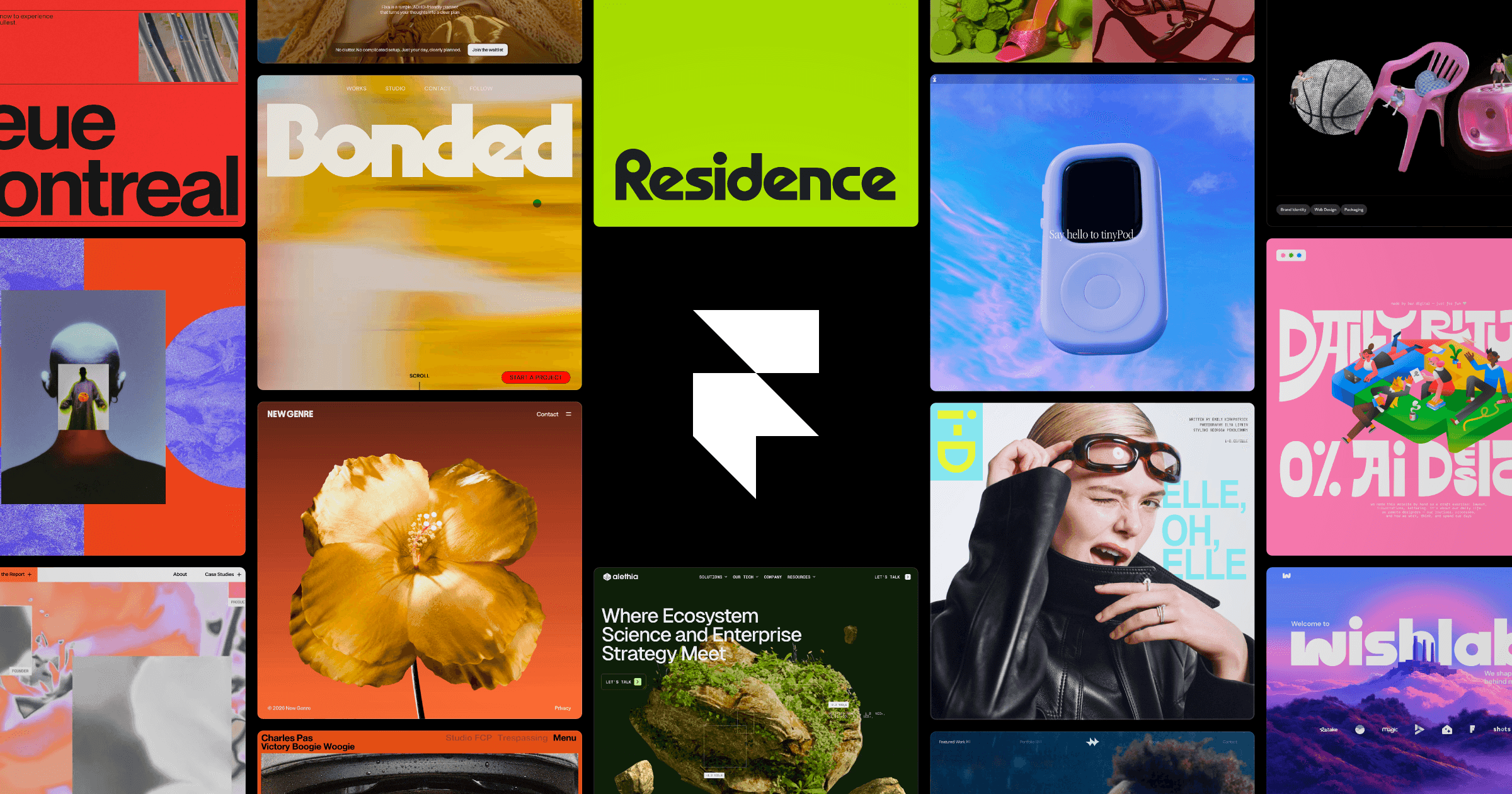

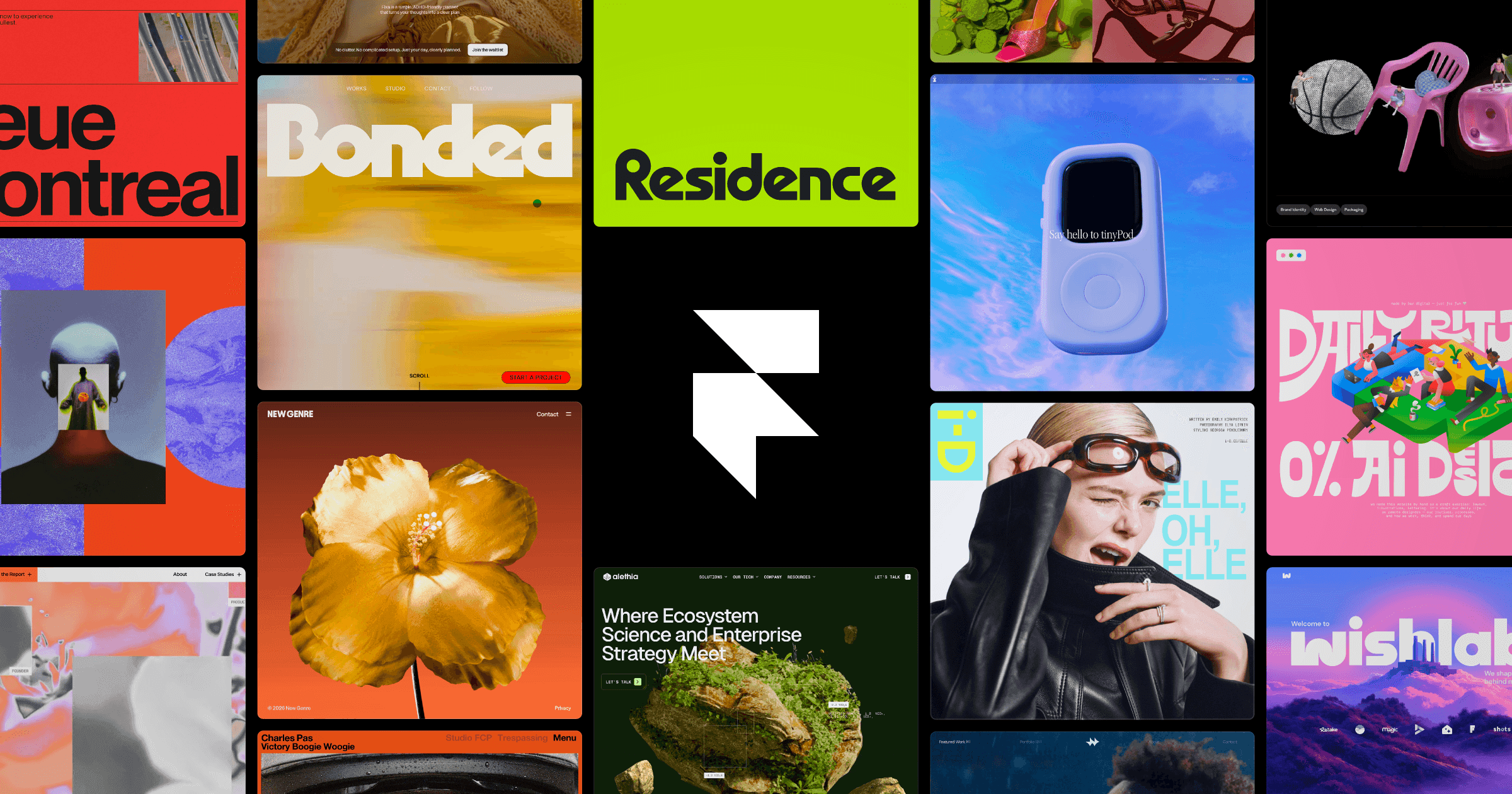
Framer shipped its largest single release to date on 16 June 2026, adding AI agents that work directly on the design canvas, a branching system for testing changes on live sites, and a rebuilt community marketplace. The Amsterdam-based company calls it Framer 3.0, and it marks a shift from treating AI as a one-off generator to building it into the core editing surface designers already use.
The update lands less than a year after Framer raised $100m in a round led by Meritech Capital Partners and Atomico, and it shows where that money is going: deeper into AI tooling for the people who actually build websites for a living, rather than into a separate chatbot bolted onto the side of the product.
Agents that stay inside the canvas
Framer's new Agents sit inside the same canvas designers already use to lay out pages, rather than opening in a separate chat panel. They can generate full pages from a prompt, turn a screenshot into an editable layout, set responsive breakpoints, write custom components and code, and connect to Framer's CMS to organise content.
The agents also run housekeeping tasks that designers tend to put off: auditing a site for broken links, inconsistent styles or accessibility problems, and reporting back on SEO and analytics. Because the output lands in the same editable canvas, designers can still go in and adjust anything the agent produces by hand, rather than treating the result as a finished export.
Framer has also added support for external agents, letting third-party coding tools such as Claude Code, Codex, Cursor and Gemini CLI connect into a Framer project and act on it. That positions Framer less as a closed design tool and more as a workspace other AI systems can plug into.
Branching brings a safety net to live sites
The release's second big piece is Branching, a git-style workflow that lets a team spin up an isolated copy of a published site, make changes there, and then review, compare and merge those changes before they go live. For agencies and in-house teams managing client or company sites that cannot afford to break in production, that is arguably more consequential than the agents themselves: it gives non-technical teams a version-control safety net that was previously the preserve of developers working in code.
Early commentary on the release has focused less on whether the agents can produce something that looks good in a demo, and more on whether their output respects an existing design system over time, and whether Branching can handle merge conflicts cleanly once several people are editing a site at once. Those are the questions that will determine whether agencies trust the feature with paying clients' sites rather than side projects.
A marketplace for the people who build with it
Framer also merged its marketplace, template gallery, member feed and contests into a single in-app Community section. The aim, according to the company, is to give designers and developers a place to show their work, build a reputation among other users, find paid opportunities and sell templates or components they have built on the platform.
That is a notable bet on Framer's own ecosystem at a moment when AI agents could, in theory, make template marketplaces less necessary if anyone can simply ask an agent to build a page from scratch. Framer appears to be betting the opposite: that agents will raise the volume of sites built on its platform, and that a bigger population of builders will want a place to trade components, templates and work.
Why it matters for European founders
Framer was founded in Amsterdam in 2014 by Koen Bok and Jorn van Dijk as a prototyping tool, and only pivoted into a full website-publishing platform after what the founders have described as a near-death moment for the company. That history gives the current release some weight: this is a company that has already had to rebuild its product once to survive, and is now using a fresh capital raise to push further into AI rather than simply defending its existing site-builder business.
For founders building design or no-code tools in Europe, Framer 3.0 sets a new bar: AI features that live inside the tool people already use daily, rather than a separate generation step bolted on top. The open question is adoption at scale — how design teams and agencies respond once they start running agents and branching workflows on real client sites, not launch-day demos. Framer has not said when it will report usage numbers for the new features.
What did you think of this story?
Written by
John Pulisic
92 stories on European Startup Insider
Have a story like this? Pitch it to us.
We publish founder profiles, company news and practical guides from across Europe.
More stories like this







Berlin's Parloa raises $350m Series D at $3bn valuation, eight months after its last round
General Catalyst leads a $350m round for the Berlin AI agent platform, pushing its valuation to $3bn and its total funding past $560m in under four years.