

Mistral raises €3B to make sovereign, open-weight AI the technology frontier

French AI lab Mistral AI has raised €3 billion, about $3.58 billion, in a Series D round that values it at more than €21 billion after the money goes in. The company announced the deal on 8 September 2026 and describes it as the biggest equity raise any European technology company has ever closed. The announcement confirmed earlier rumours of the raise.
Samsung leads a broad investor group
Samsung Electronics led the round. The Scaleup Europe Fund, managed by EQT, and existing investor PSG Equity joined as co-leads. Several earlier backers invested again, among them a16z, Nvidia and Salesforce Ventures, and Advent and BlackRock came in as new investors. The Grand Duchy of Luxembourg also became a shareholder, and a number of existing European investors increased their stakes. Dutch chipmaker ASML, already a major partner and investor, remains part of the picture.
The mix matters to Mistral. Its cap table now spans France, the rest of Europe, the United States and South Korea, which suits a company that sells to governments and large corporations in many countries.
What the money will do
Mistral says the funding will go into compute capacity, infrastructure, commercial growth and international expansion. The company calls its frontier research the foundation under its infrastructure, its products and its claim to sovereignty. It operates in 20 countries today, and its sales effort centres on helping public bodies and big companies use AI while keeping control over it. That sets it apart from labs such as OpenAI and Anthropic, which sell their models to a much wider audience.
Mistral has also been clear about what it does not want to be. Its stated goal is not a European ChatGPT. It sees itself as an AI lab with its own research agenda, even though its models have not reached the mainstream in the way consumer chatbots have.
Compute, regions and open weights
The raise backs a strategy built around reducing Europe's dependence on American technology, a concern that has grown as the politics around AI regulation and products in the United States have sharpened. Mistral aims to build 1 GW of compute capacity in Europe by 2030. In August it released tools that let customers choose the regions where their AI queries are processed. It has also begun hosting third-party open-weight models, including Chinese ones, so that customers decide which models to run and how to use them. Some observers read that last step as a sign the company was turning into an inference provider, and Mistral's emphasis on its frontier research looks like an answer to that reading.
A "third way" with political backing
French president Emmanuel Macron said on X that the round reflected France and South Korea's goal of "building a third way in AI". Samsung's arrival on the cap table has the blessing of French authorities, and the geopolitical backdrop has mostly worked in Mistral's favour. Demand for sovereign AI infrastructure is growing, and by most accounts Mistral's non-American status has lifted its revenue.
The capital needed to compete with the biggest US labs is not available in France alone. With ASML and now Samsung as shareholders, Mistral has found another route to it, comparable to the merger of Germany's Aleph Alpha with Canada's Cohere.
Ties to the United States remain
Mistral continues to work with American partners. Its strategic partnership with Microsoft was significantly expanded in July. For a customer deciding whether a European supplier can stand behind a large deployment, a balance sheet this size and an investor list this international may be what counts. About a month after the round, Mistral released a public preview of Mistral Large 4, the first model on the roadmap this money pays for.
Wat vond je van dit verhaal?
Geschreven door
John Pulisic
98 verhalen op European Startup Insider
Heb je een verhaal zoals dit? Pitch het bij ons.
We publiceren oprichtersprofielen, bedrijfsnieuws en praktische gidsen uit heel Europa.
Meer verhalen zoals dit
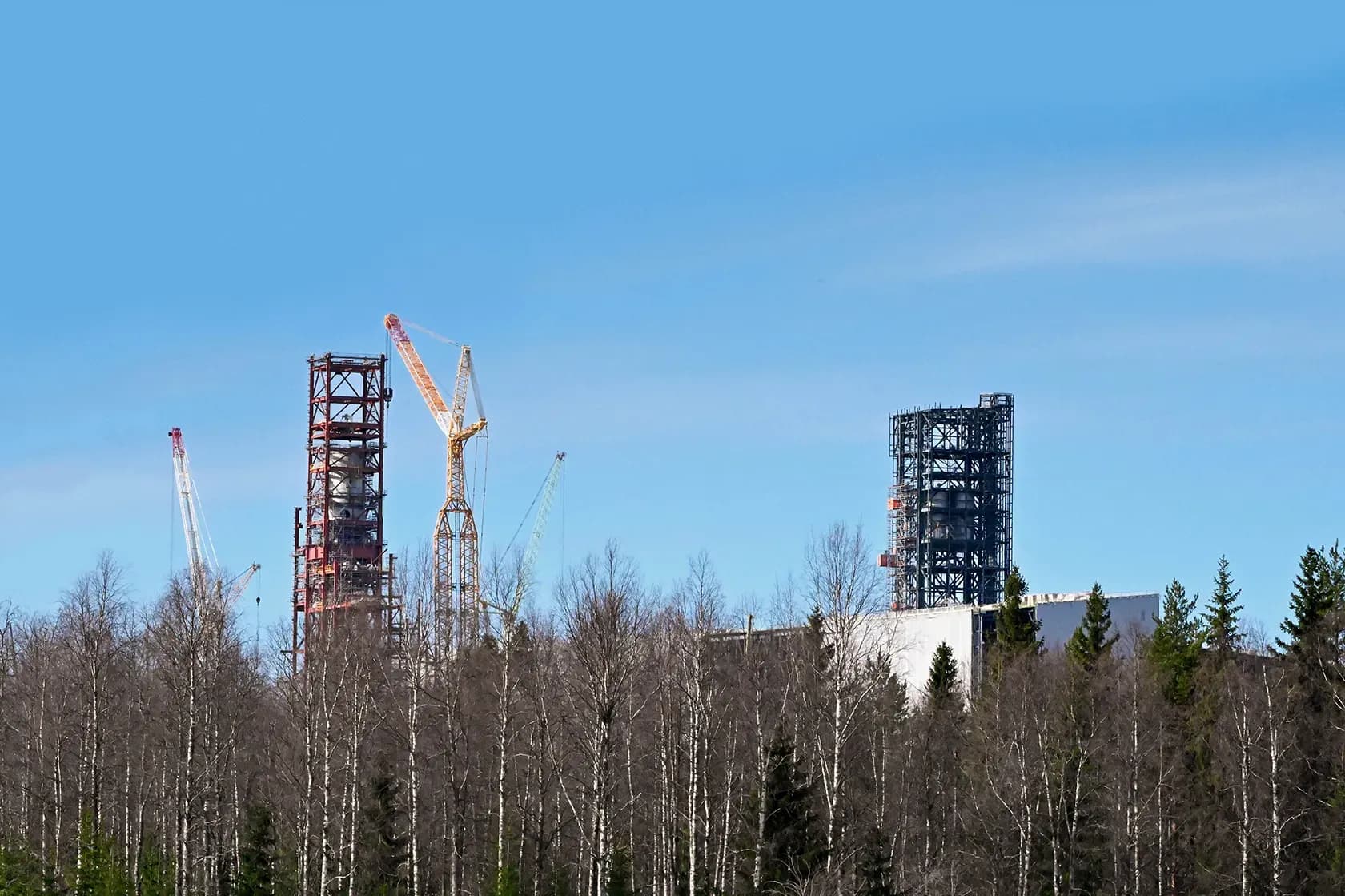


Marvel Fusion spins out laser subsidiary to commercialize fusion technology
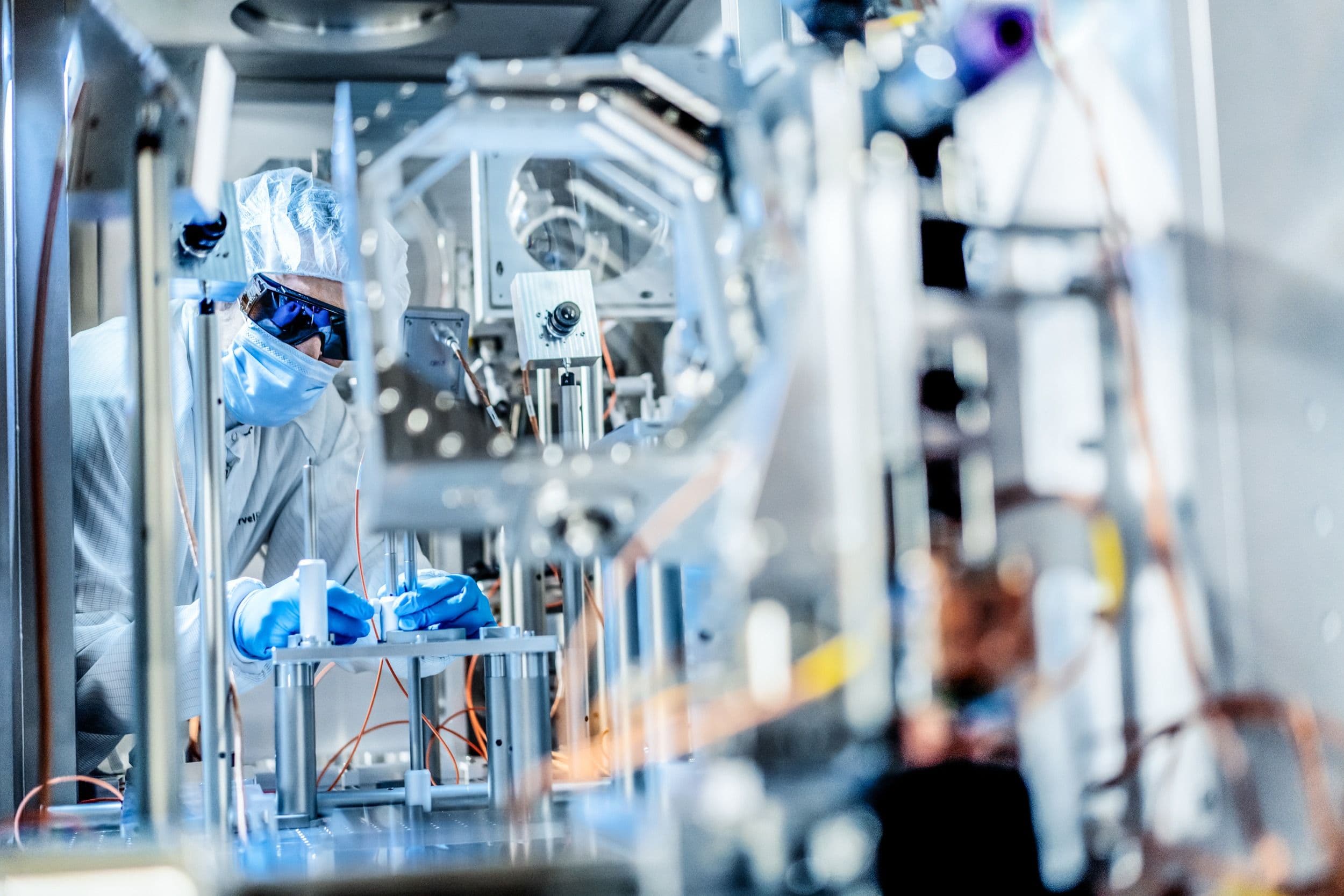
Marvel Fusion has launched Caelora, a wholly owned subsidiary focused on bringing high-energy laser systems to market for fusion and scientific applications. The move establishes an immediate revenue stream while building the industrial supply chain the fusion sector depends on.