

VÆRIDION raises €30m Series A2 and wins EU pick for €94.5m grant to build electric Microliner in Bavaria
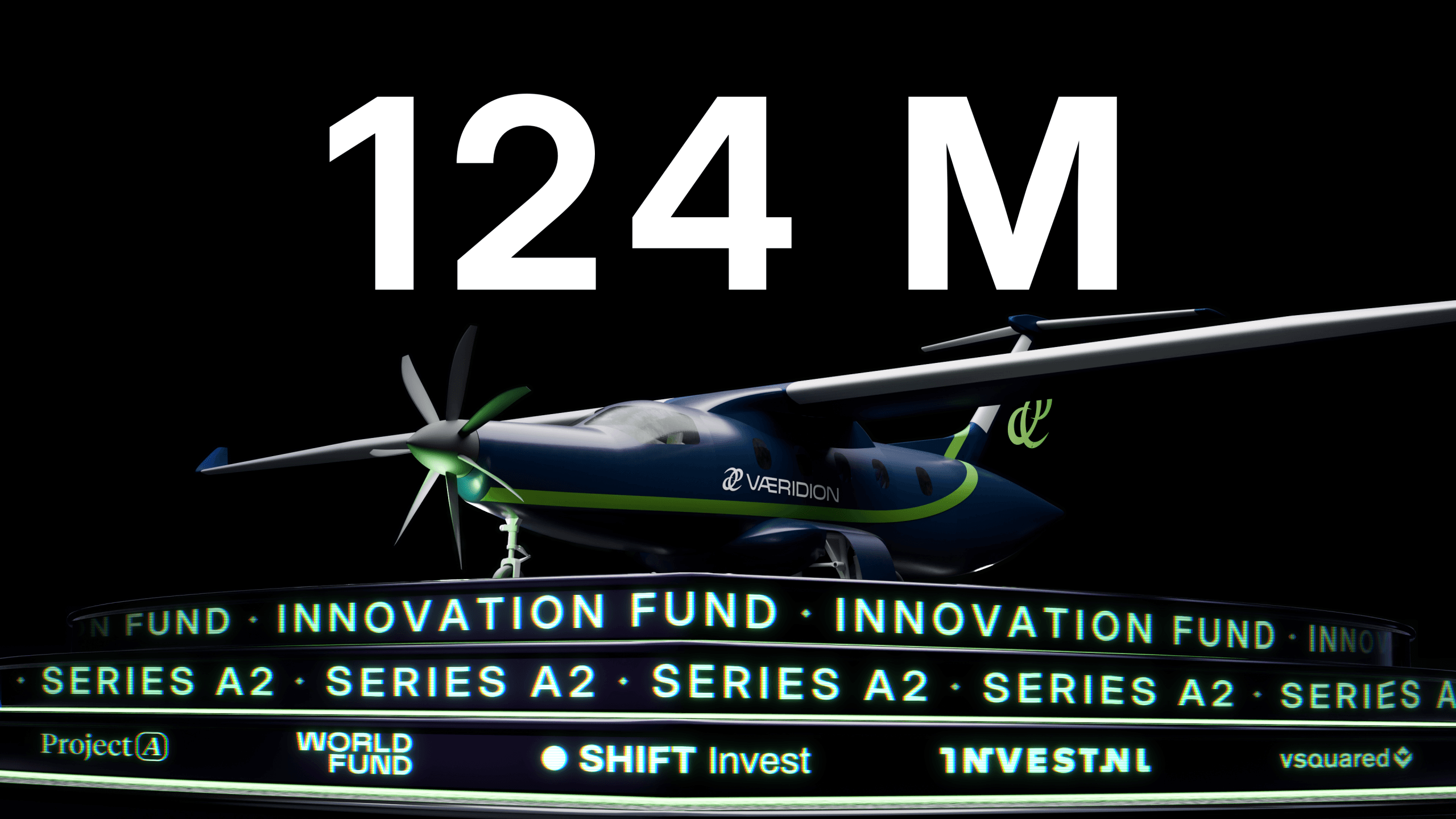

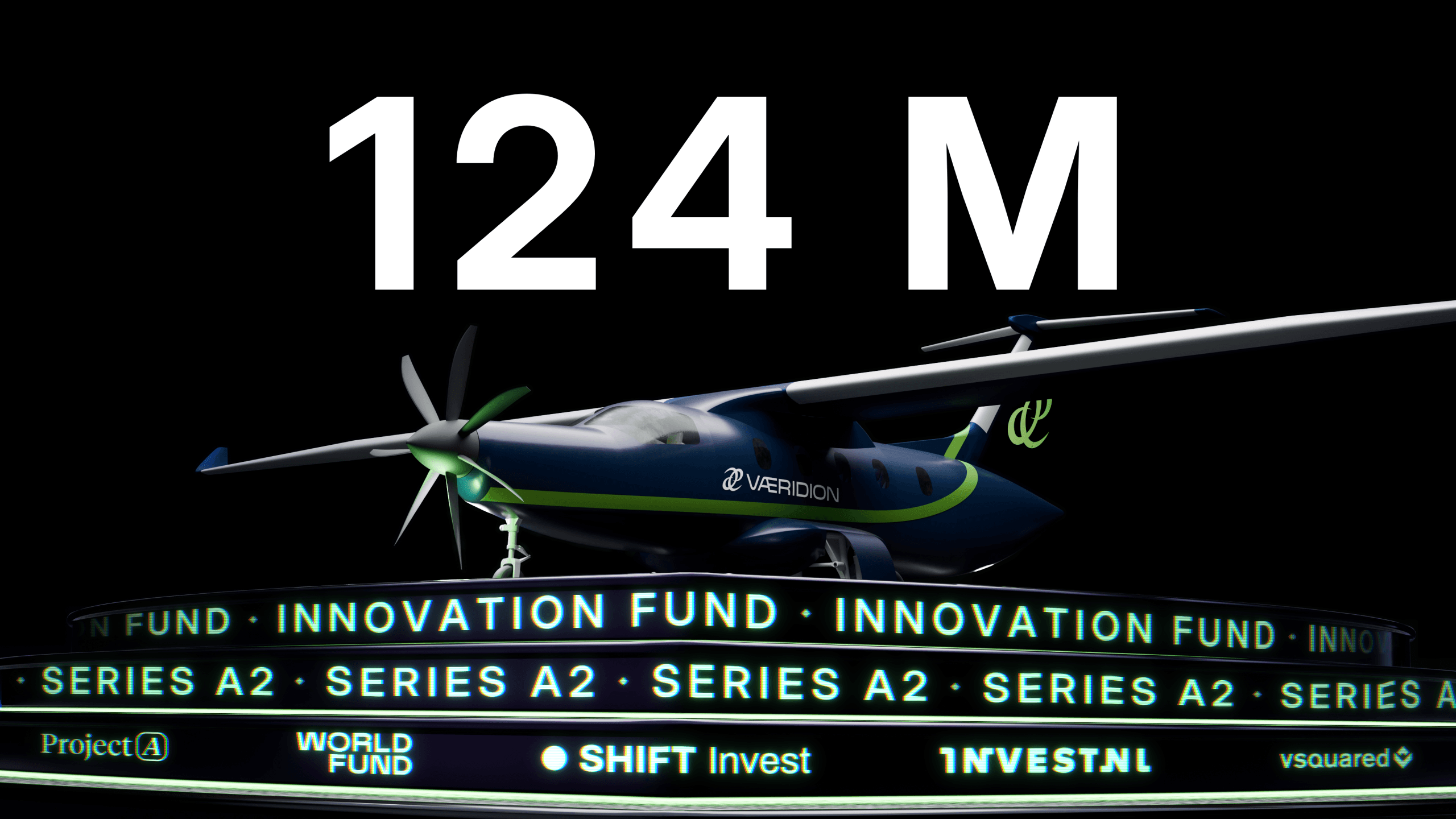
VÆRIDION, the Munich startup developing a fully electric nine-seat aircraft called the Microliner, has closed a €30m Series A2 round led by SHIFT Invest and Invest-NL. On the same day it said the European Commission had chosen its CAROLUS project for a €94.5m grant from the EU Innovation Fund, money meant for a final assembly plant at Oberpfaffenhofen Airport outside Munich.
Added together, the two figures give the company its headline of more than €124m. The split matters, though. The equity is cash in hand and pays for the first aircraft built to certification standard. The grant is a selection, not yet a payment: the agreement with Brussels is expected to be signed in 2027.
Dutch money for a Bavarian aircraft
Both lead investors come from the Netherlands. SHIFT Invest is an Amsterdam venture fund that backs climate-focused companies and counts KLM, Schiphol and TU Delft among its own investors. Invest-NL is the Dutch state's investment institution. Existing backers World Fund, Project A and Vsquared Ventures put in more money, as did Alexander Rittweger, who founded the PAYBACK loyalty scheme and now invests in deep tech.
The Dutch link is not accidental. Co-founder and chief executive Ivor van Dartel studied aerospace engineering at TU Delft, and the company runs an engineering office there alongside its Munich headquarters and a subsidiary in Brussels. He and co-founder Sebastian Seemann both worked at Airbus before starting VÆRIDION in 2021; van Dartel managed the hybrid-electric propulsion system on the E-Fan X demonstrator.
The new round is roughly twice the €14m the company raised in December 2024. VÆRIDION puts its total funding so far at about €60m, a figure that counts earlier public support but leaves out the new EU grant.
Van Dartel said the team had "turned the Microliner from a validated design into hardware, with exceptional capital efficiency" over the past year, with its battery and propulsion systems now under test at its own site.
What the money builds
The Series A2 funds the first conforming Microliner, meaning an airframe built to the design that will go through certification, as well as integrated tests of the batteries and motors. Since March 2026 the company has had its own build and test site at Oberpfaffenhofen, where its electric engine was recently switched on for the first time. The next step is a ground rig the company calls the copper bird, where battery packs and propulsion are joined up and run together. Wind-tunnel work runs in parallel, ahead of preparations for flight tests.
The aircraft itself is a clean-sheet design. A long, glider-style wing holds patented modular battery packs, and several electric motors drive a single propeller. The company says it will carry nine passengers and two pilots for 400km under instrument flight rules, or four passengers for up to 550km in visual conditions. Cargo and passenger versions are planned.
VÆRIDION is certifying under EASA's CS-23 rules for small aircraft, a category regulators already know well. In the past year it passed its Preliminary Design Review and signed a second Pre-Application Contract with EASA. Thijs Gitmans, general partner at SHIFT Invest, pointed to that choice when explaining the deal.
"VÆRIDION has chosen a certification pathway regulators already understand and has delivered real hardware on a disciplined budget." — Thijs Gitmans, general partner, SHIFT Invest
A factory grant still on paper
CAROLUS is the industrial half of the plan. The grant would help VÆRIDION set up and ramp up final assembly at Oberpfaffenhofen, so that the Microliner can be produced in volume rather than as a handful of prototypes. The Commission picked it as one of 12 large-scale projects from 358 applications. According to the company, it was the only aviation project chosen in that category and VÆRIDION the only German applicant to make the cut.
For European hardware founders, the structure is worth a look. On these terms the public grant is more than three times the private round, which shows how much EU climate money can weigh in capital-heavy sectors. It also brings a timing risk, since the factory funding depends on a contract that has not yet been signed.
The company says demand exists to fill that factory. It reports commitments for more than 130 aircraft, valued at over €730m, from regional airlines, charter operators and leasing firms, with ASL Group as launch customer. In June it had announced more than 100 new commitments after the design review. KLM, BayernLB and TrueNoord sit on its market advisory committee.
The economics behind the pitch
VÆRIDION's case rests on cost. It is aiming for operating costs below €0.40 per seat-kilometre, which it says would let airlines price tickets close to a first-class rail fare and still make money on short routes. The company cites figures from the European Regions Airline Association showing that about 120 regional routes in Europe closed in the five years to June 2026, as fuel and maintenance bills made them uneconomic.
It also points to an ageing fleet. By its count, over 21,000 small turboprops work regional routes globally. The typical one is 23 years old, and 30 years have passed since a fresh design in this size class went into airline use. A jump in jet fuel prices this year, which the company says more than doubled year on year by October, adds to the argument for electric planes.
The company has more than 75 staff and plans to keep hiring across Europe for engineering, industrialisation and certification. Its target for entry into commercial service remains 2030. Before then, it has to get the copper bird running, build and fly the conforming prototype, and sign the grant agreement in 2027 that would pay for the plant.
Jak oceniasz ten artykuł?
Autor
Sandra J. Barbara
51 artykułów na European Startup Insider
Masz podobną historię? Zaproponuj ją nam.
Publikujemy profile założycieli, wiadomości o firmach i praktyczne poradniki z całej Europy.
Więcej podobnych artykułów




Green Voltis gets €13.5m from CATL-linked Lochpine to trade batteries and power Nordic data centres
The Stockholm start-up, which runs and trades more than 1.2 GWh of battery storage, took its Series A from a single investor and is putting part of it into a plan to supply data centres from 120 MW of Nordic land.