

Amsterdam's Good Heat builds and owns heat batteries, then sells factories the steam

Good Heat sells steam, not equipment. The Amsterdam company installs heat batteries at factories, pays for them, runs them and charges the manufacturer a fixed price for the heat that comes out, so the customer spends nothing up front.
That matters because process heat is one of the hardest parts of industry to clean up. Chief executive Bauke van Gent has put industrial heat at about a fifth of the energy the world uses, with close to 90% of it still coming from fossil fuels.
The problem it goes after
Food plants, chemical works, paper mills and textile factories all need steam, and most of them make it by burning gas. That leaves them exposed to volatile gas prices and to carbon liabilities. Good Heat's own site lists food and drink, chemicals, textiles, minerals, paper and pulp and petrochemicals as target sectors.
The technology to make that heat from electricity already exists. Good Heat argues that what holds factories back is money and hassle: the systems are capital-heavy, and running one means dealing with power markets, grid connections and new equipment on a production site. In 2025, van Gent described a typical customer's choice in simple terms.
"We sell heat, not hardware. Customers simply receive a monthly bill for the heat they consume, and save millions compared to gas," van Gent said.
How a Good Heat project works
The core asset is an electrified thermal energy storage system, usually shortened to eTES. It draws renewable electricity when power is cheap, often around midday when solar output peaks, and stores it as high-temperature heat. The factory then gets steam whenever it needs it, around the clock. The battery runs next to the site's existing gas boilers, and Good Heat guarantees that heat will be available.
Behind each installation sits a web of contracts that Good Heat manages so the customer does not have to:
- an equipment maker or engineering contractor that delivers and installs the storage system under a full-wrap contract;
- independent power producers or utilities that supply renewable electricity;
- grid operators, to make sure the site can take the extra load;
- equity and debt investors who fund the asset off the customer's balance sheet;
- local and national governments, for permits and, where available, financial support.
The customer signs a Heat Purchase Agreement. Australian reporting on the company's first round put the typical term at 10 to 20 years and said projects usually cost more than $50m to build. The company also runs its own energy management software to decide when to charge and how to keep costs down as electricity prices move.
Good Heat does not make the batteries. It describes itself as technology-neutral and picks a storage system for each site through a competitive tender, which leaves the technical choice open and lets it switch suppliers between projects.
Who is behind it
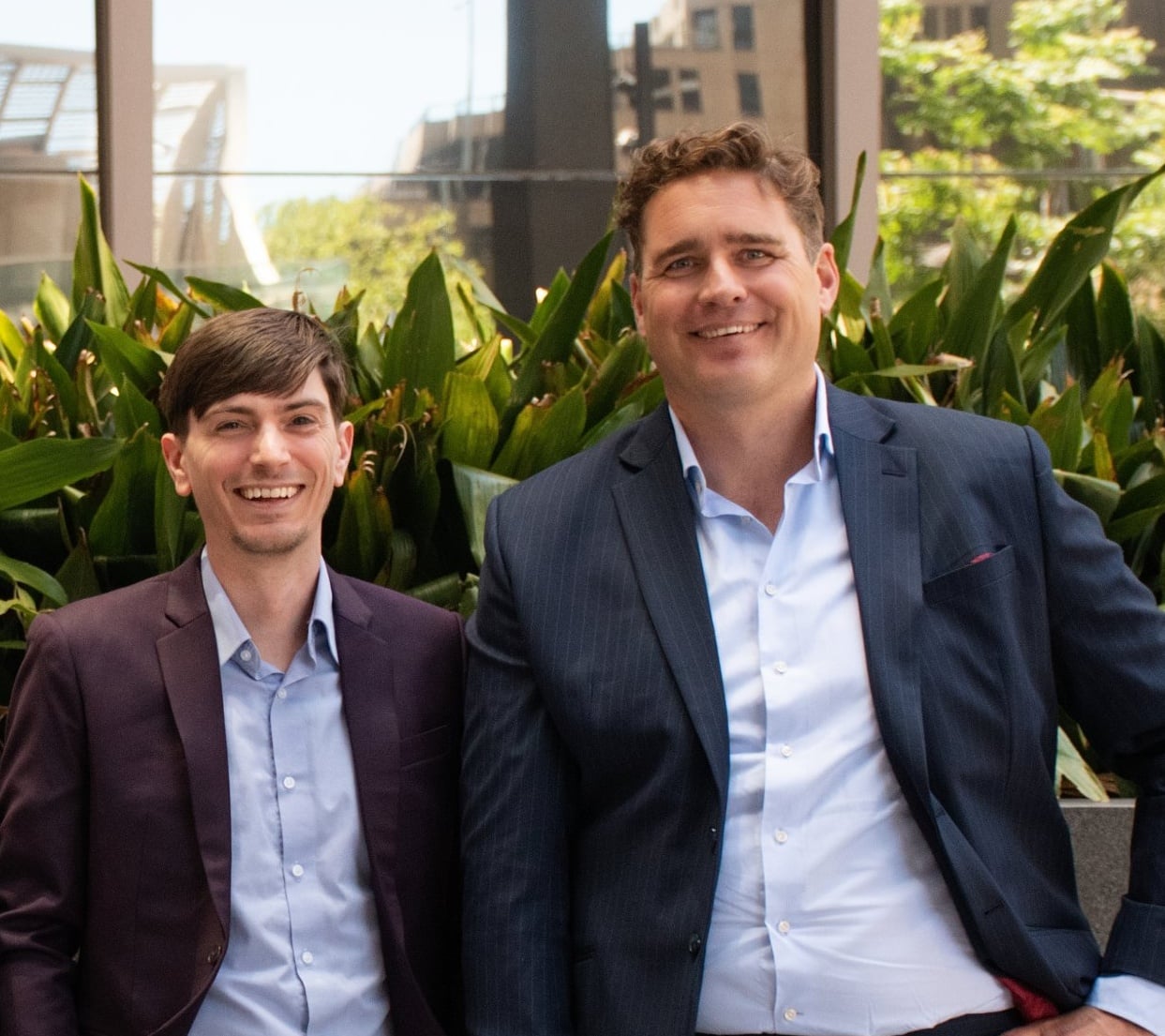
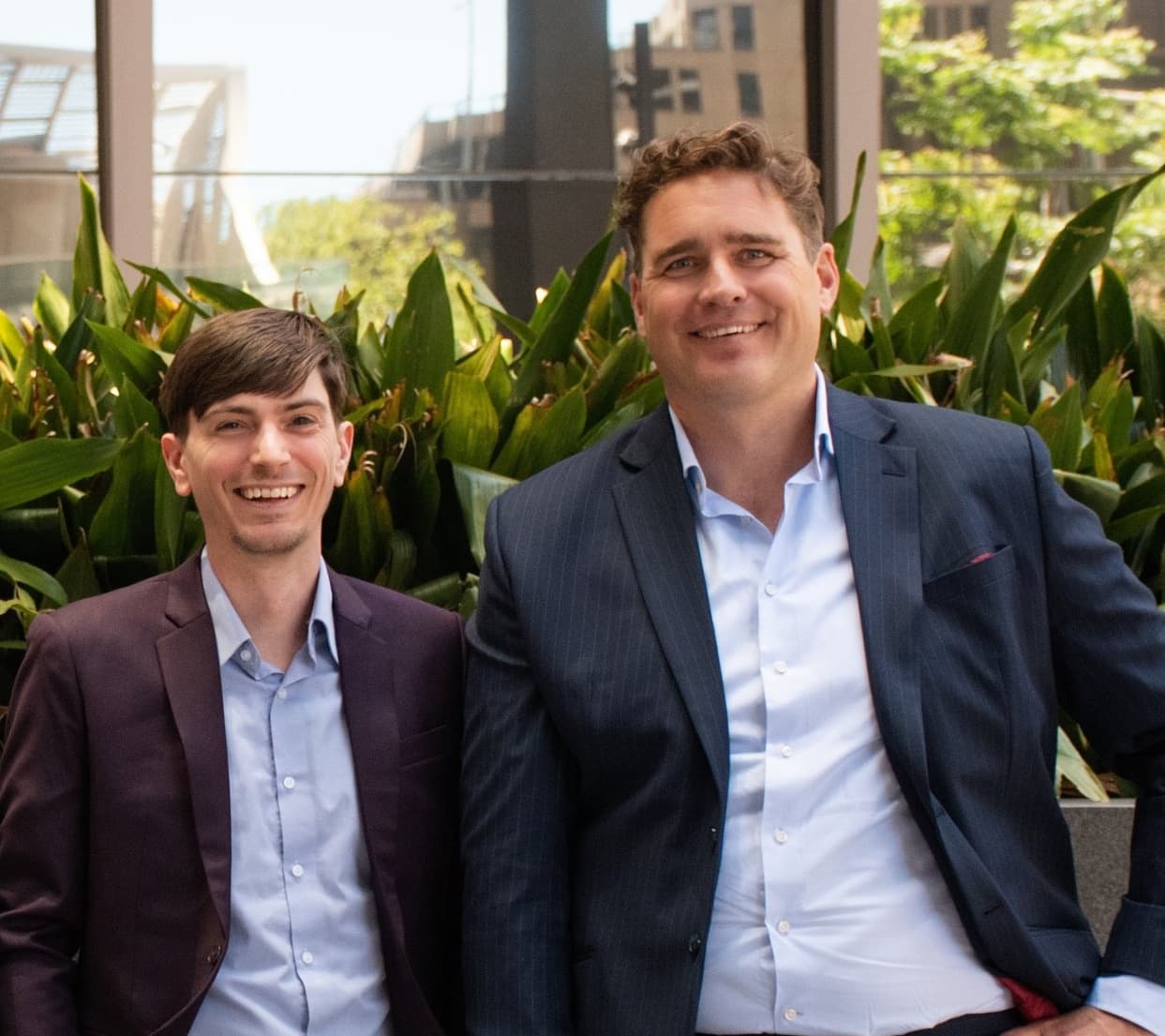
The two founders, Bauke van Gent and Tom Geiser, started the company in 2025. They already knew each other from Neoen, the French renewable energy developer. Van Gent, the chief executive, has more than 15 years in greenfield infrastructure and early-stage ventures and led the origination of over 2 GW of renewable and storage projects at Neoen. Geiser, director of energy and technology, has spent a similar time in electricity markets: he set up Neoen Australia's energy markets team and later led Rondo Energy's business in Australia.
The company is headquartered in Amsterdam and has an office in Sydney. Its first project is in Australia, where Geiser built much of his career. The team's size has not been disclosed.
Where it stands now
Its flagship development is Project Arcadia, a 200 MWh heat battery for an unnamed food manufacturer in regional Victoria. The system is meant to replace most of the factory's gas use, and the company says the site should save on energy costs from the first day. Good Heat expects to reach financial close on Arcadia in 2027, and it has further Australian prospects of more than 75 MWt.
In Europe, the company says it is chasing over 100 MWt of possible sites in four countries: the Netherlands, Belgium, Germany and Poland. Some of those leads come through partnerships with energy companies.
The company has raised money twice: a $2m pre-seed round in October 2025 from Understorey Ventures, Investible, 2100VC and Foobar VC, and €2m in November 2026 led by SET Ventures, with Shell Ventures and Investible. It is using the latest money to hire. The next thing to watch is the first European factory to sign a heat contract with it.
What did you think of this story?
Written by
Jascinta Clark
59 stories on European Startup Insider
Have a story like this? Pitch it to us.
We publish founder profiles, company news and practical guides from across Europe.
More stories like this
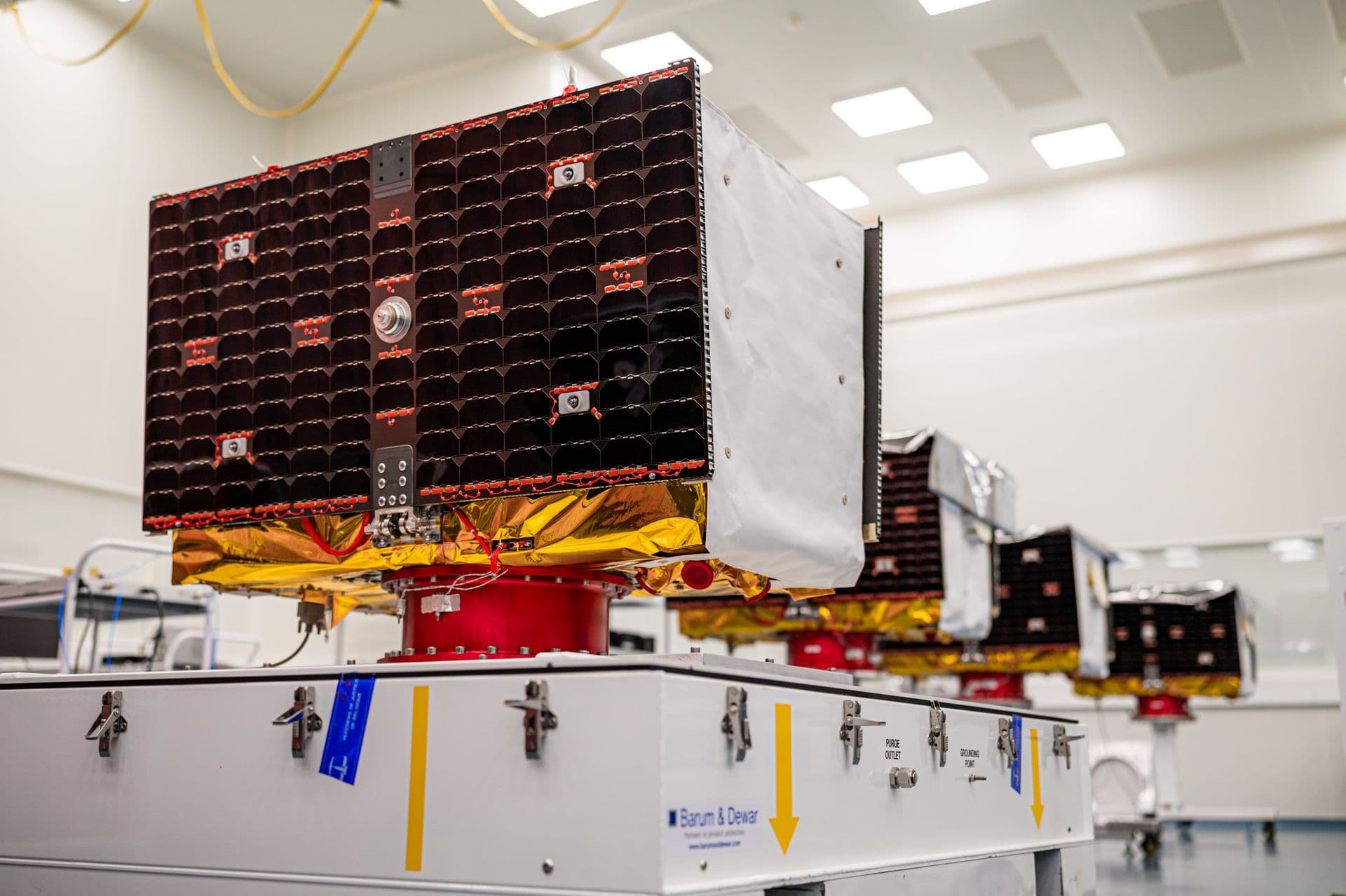


Charleroi's Aerospacelab builds satellite platforms, payloads and whole constellations in-house
The Belgian company, soon to be called Ectro, makes satellite buses, Earth observation and telecom payloads and full missions. Its customers include Eutelsat for IRIS² and Lockheed Martin.