From a Katy Garage to Amazon’s Service Provider Network: How Sana Salman Built Global Partner Warehousing
After her private label and wholesale businesses failed, Sana Salman built Global Partner Warehousing, an Amazon-approved 3PL now expanding into Europe and Canada. Her story, and 15 questions on ambition, leadership and family.
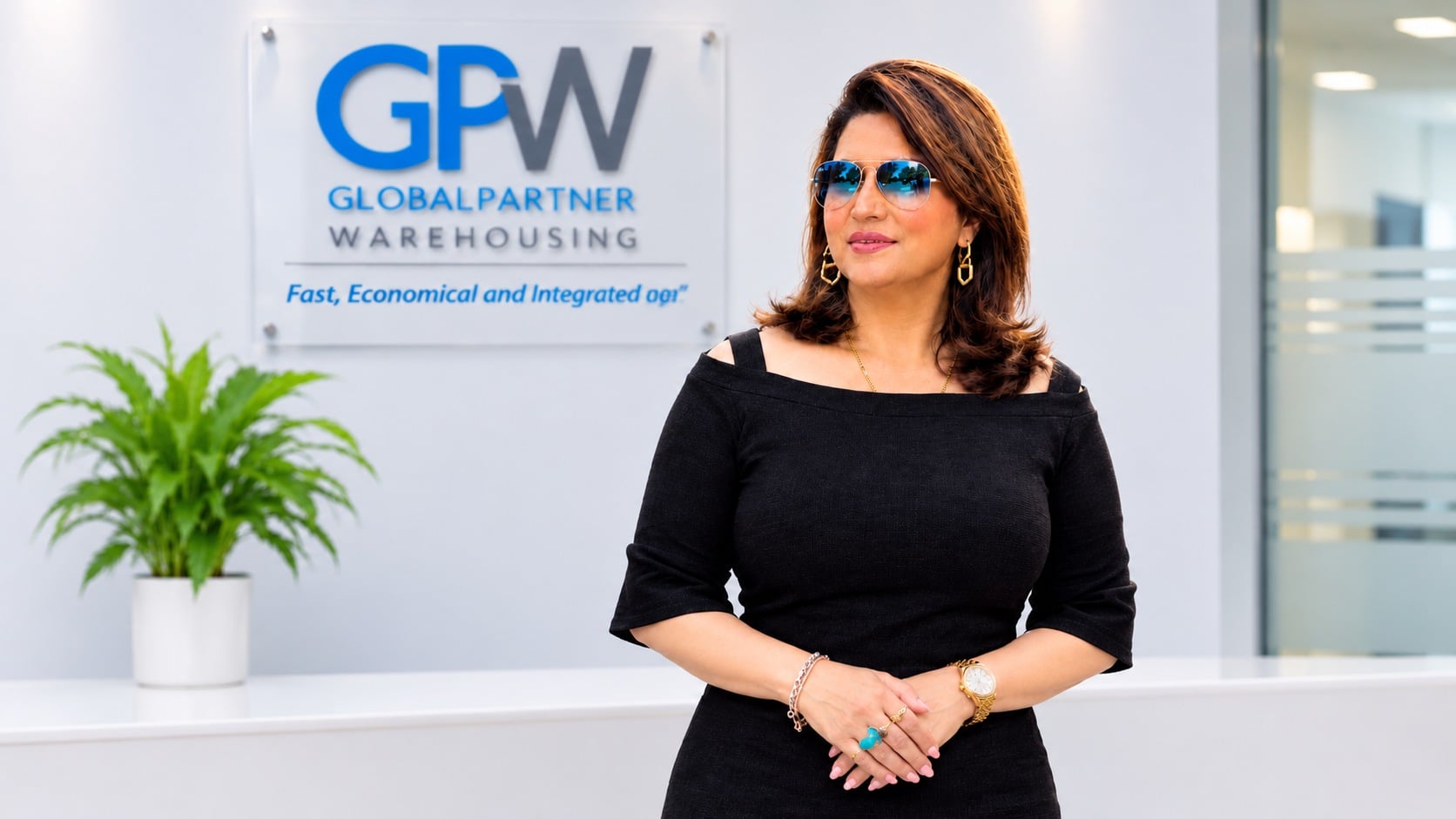

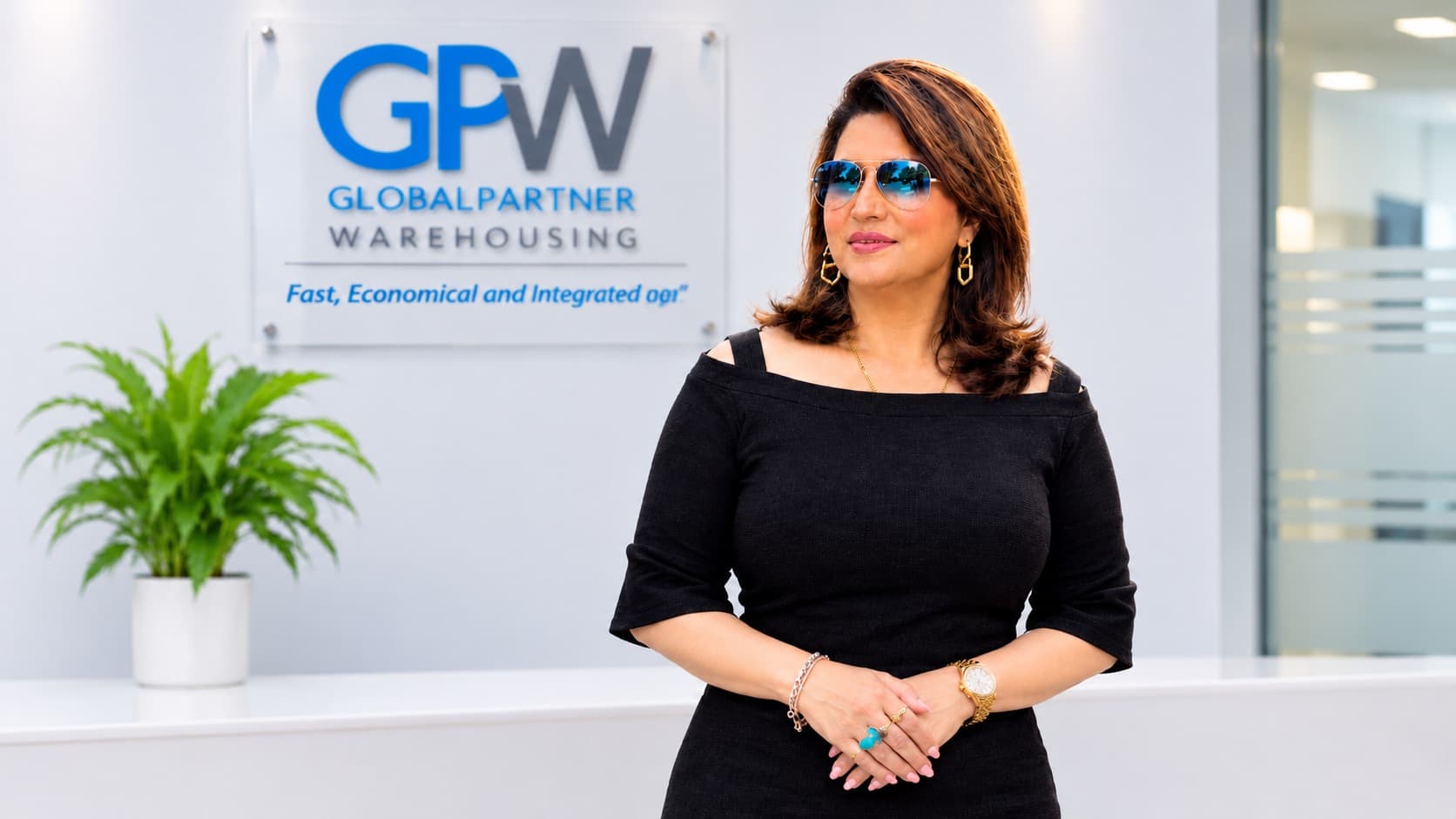
She grew up in a middle-class home where girls were measured against boys and found wanting. Years later, after the private label and wholesale businesses she ran as a homemaker and mother had failed, Sana Salman built Global Partner Warehousing, a 3PL approved by Amazon that is now expanding into Europe and Canada.
In this ESI Exclusive, European Startup Insider tells the story of Sana Salman, Founder & CEO of Global Partner Warehousing, and puts 15 questions to her about ambition, leadership, family and building an international business.
Measured on Someone Else’s Scale
Sana Salman can still remember the comparisons. In the middle-class household where she grew up, a son’s ambitions were plans and a daughter’s were phases. Brothers, cousins and the neighbours’ boys were the yardstick she was held against, and somehow she always came up short. Achievements were noted and then set aside. Opinions were heard and then corrected. The message, repeated so often that it stopped needing to be said out loud, was that a girl’s future would be smaller than a boy’s, and that she should learn to be comfortable with that.
“As a child you don’t have the words for it,” she says. “You just feel it. Every time someone said ‘look at him’ or ‘why can’t you be more like your brother,’ a little piece of you decided you weren’t enough. It took me years to understand that the problem was never me. It was the scale they were using.”
Those years left a mark, but they also planted something stubborn. Somewhere in that childhood she made a quiet promise to herself: one day she would not need anyone’s permission, approval or money to stand on her own feet. Being self-sufficient stopped being a personality trait and became the goal itself.
Comfortable Was the Most Dangerous Place
For a long time, life went the way she had been raised to expect. She married, became a mother and built her world around her home and her family. She loved that life, and she was good at it. But the old promise never fully went quiet. “I was comfortable,” she says, “and I realised comfortable was the most dangerous place I could be, because nothing grows there. I had spent my whole childhood being told what I couldn’t become. I didn’t want my children to grow up watching me believe it.”
Failures That Became an Education
ESI Exclusive
Failure has not made me afraid of taking risks.
It has made me better at understanding them.
Sana Salman
Founder & CEO, Global Partner Warehousing
Her first step out of that comfort zone was one that thousands of would-be entrepreneurs take: selling on Amazon. She launched a private label product and later tried wholesale. Neither worked the way she had hoped. The products were not really the problem. The operations around them were. Inventory sat at prep centres that missed deadlines, shipments were rejected at Amazon’s receiving docks and returns piled up with no one to process them. Around her, other sellers had it worse, with listings suppressed, stock stranded and accounts suspended or closed, often because of prep and compliance mistakes made by somebody else’s warehouse.
“Those failures were my education,” she says. “I paid tuition in lost margin. By the end I knew exactly where sellers were bleeding money, because I had bled there too.” The girl who had grown up being told she would fall short now had real failures to point to, and she chose to read them as a map rather than a verdict. Instead of trying to become another seller, she decided to fix the layer of the business that had failed her.
From a Home Garage to Katy, Texas
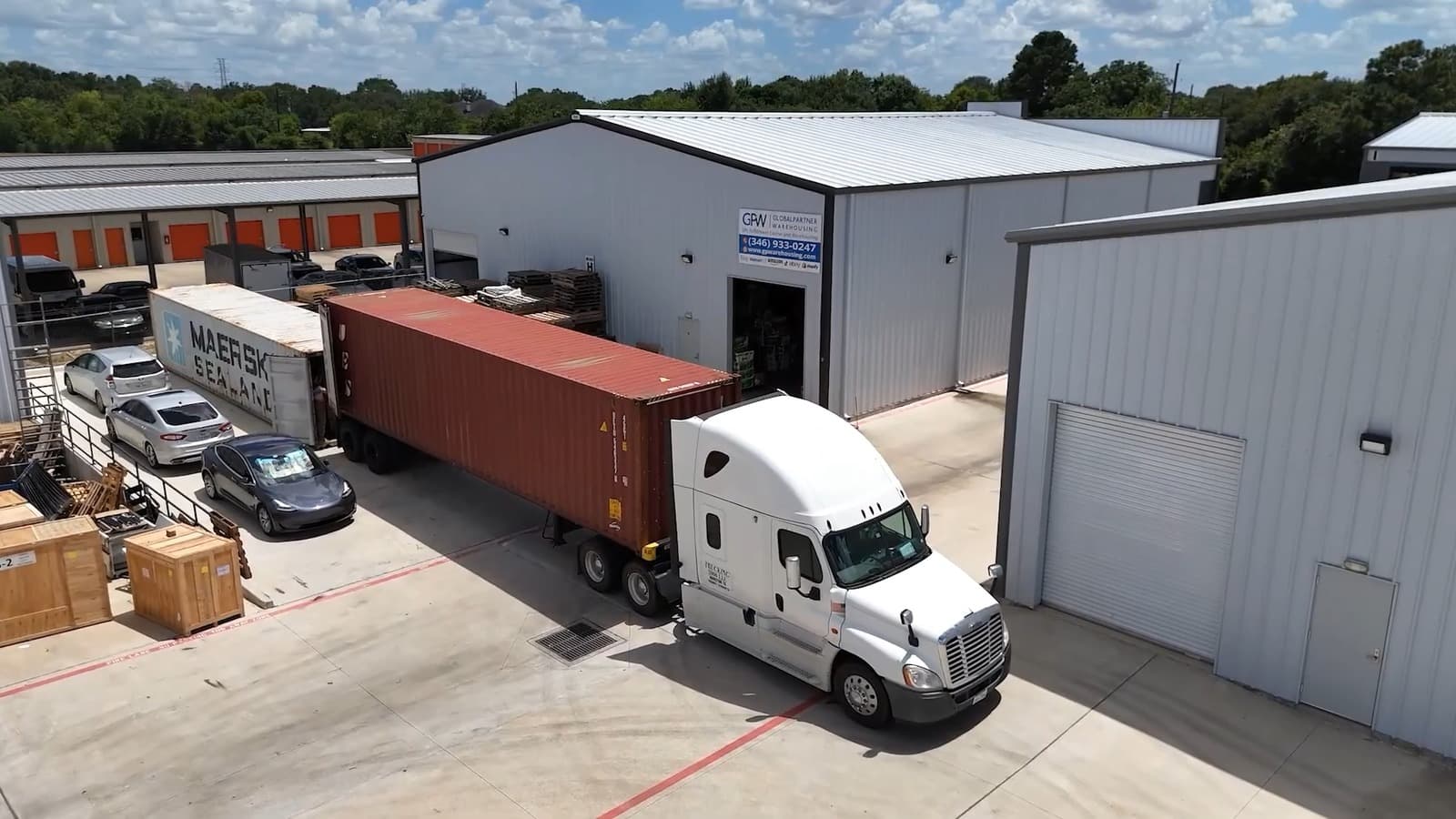
Global Partner Warehousing launched in 2022 from her home garage in the Houston area. The promise to sellers was simple: prep done to Amazon’s rules the first time, fast turnaround and a founder who actually answers the phone. Within a year the garage was full, and GPW moved into a 2,000 sq ft unit. It soon outgrew that too and settled into a purpose-built facility of around 10,000 sq ft in Katy, Texas, followed by a second site in Pennsylvania for brands shipping on East Coast routes.
Taking the Warehouse Off Sellers’ Minds
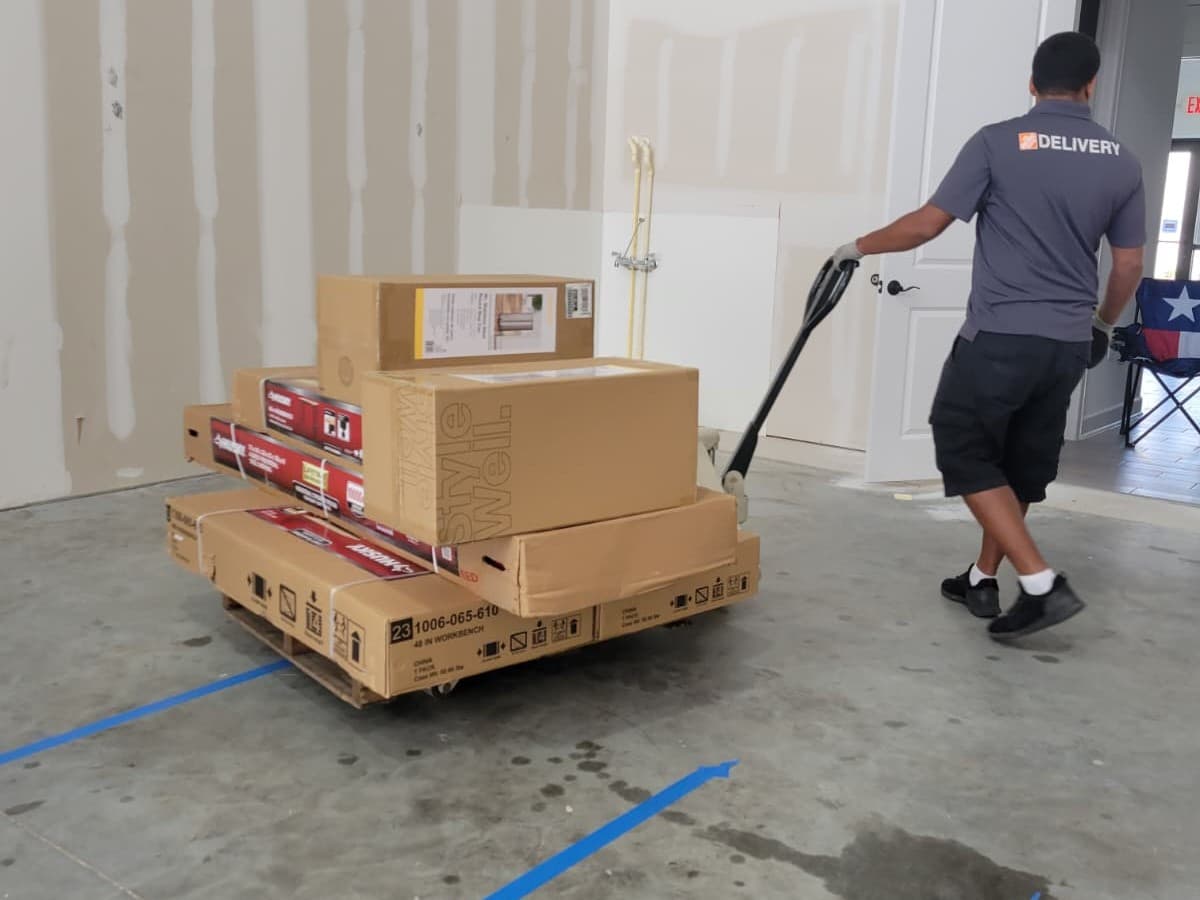
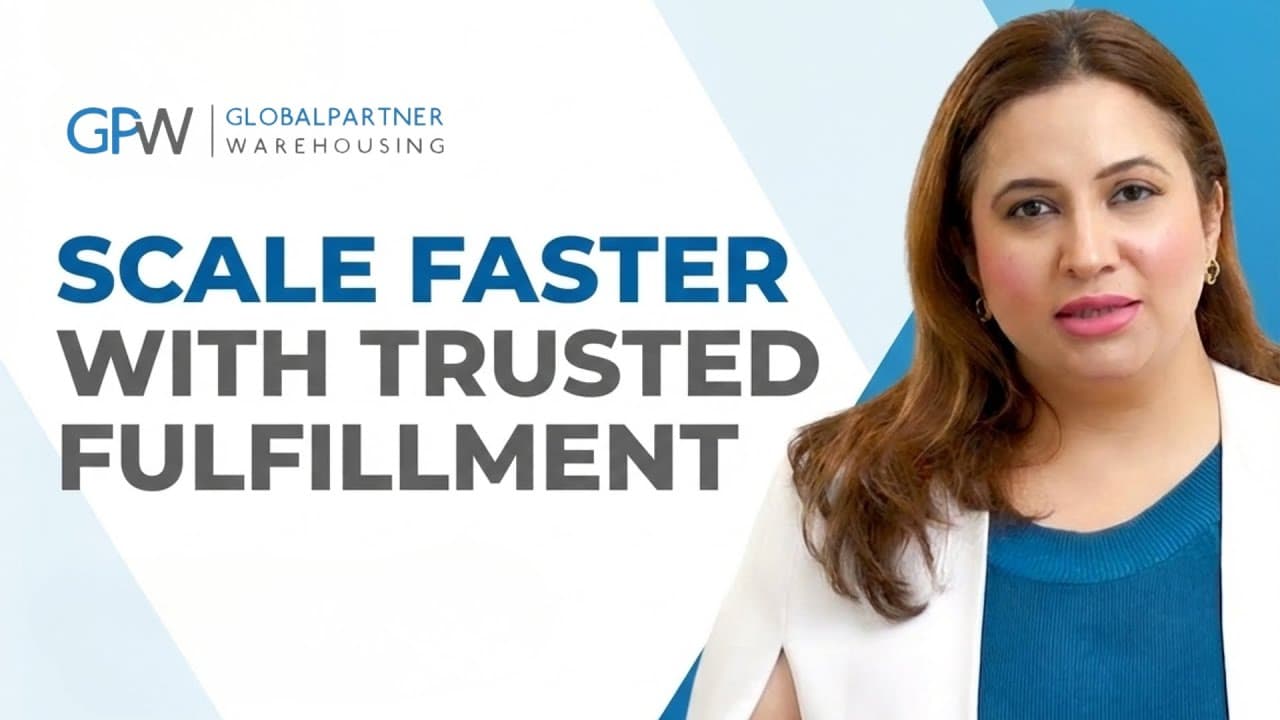
Today GPW offers Amazon FBA prep with a 24 to 48 hour turnaround, merchant-fulfilled order fulfilment with capacity for up to 1,000 orders a day, Walmart WFS prep, returns handling, kitting and bundling, pallet storage and container offloading. The company runs its own warehouse management system, which lets the team receive inventory and begin fulfilling orders the next day. For sellers, that shortens the path from container to customer and from return to resale, and the time saved shows up as margin. “Every day a product sits in the wrong place is a day the brand isn’t growing,” Salman says. “Our job is to take the warehouse off their mind so they can focus on product, marketing and customers.”
Showing Them the Numbers
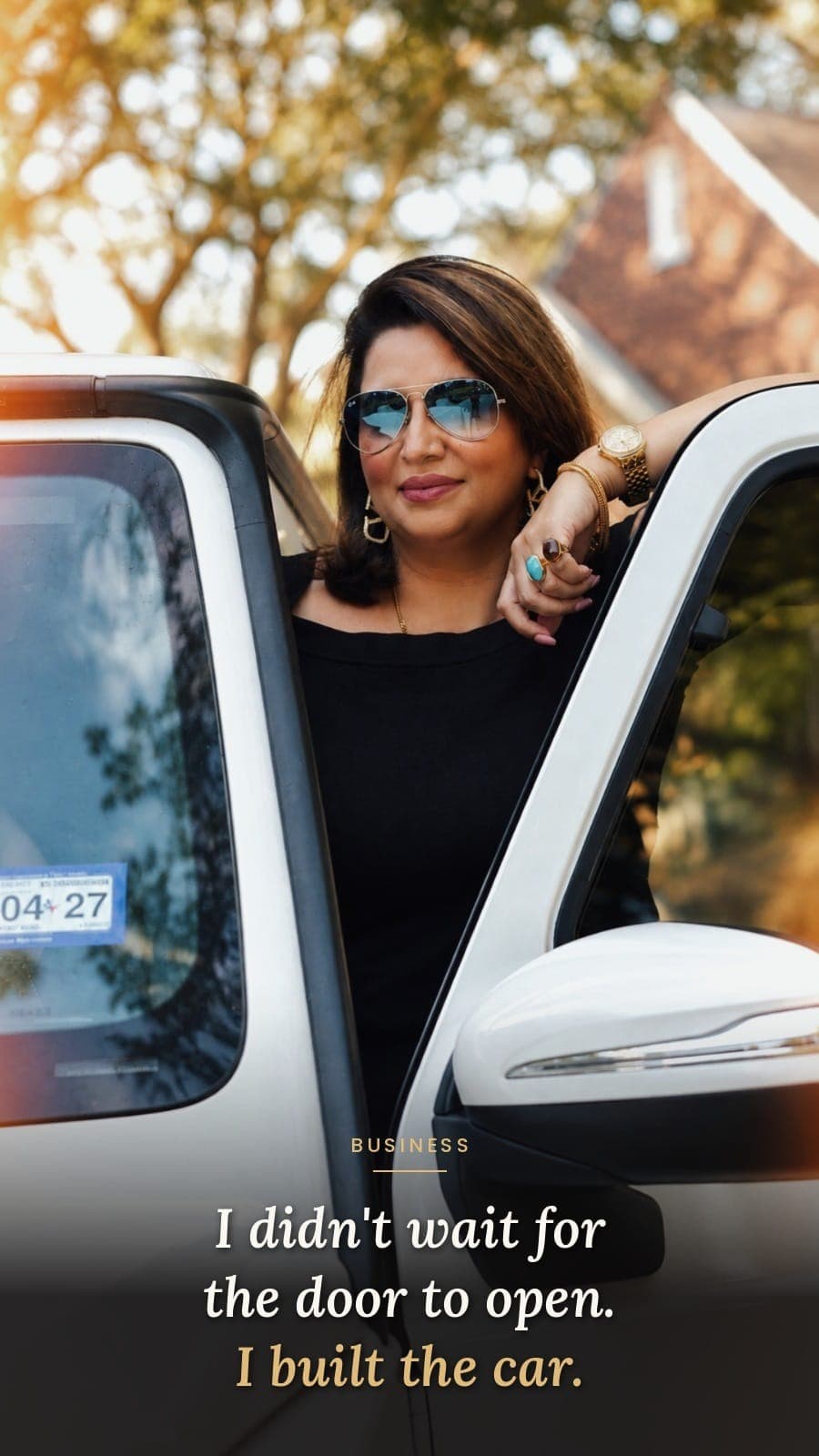
None of it came easily in an industry still dominated by men. Salman walked into warehousing without a logistics degree, without industry contacts and, in many early meetings, without the benefit of the doubt. “People assumed I was the receptionist,” she says. “I’d heard versions of ‘this isn’t your world’ my whole life, so I knew what to do with it. I stopped correcting them and started showing them the numbers.” The clearest answer came from Amazon itself, which approved GPW for its Service Provider Network, the marketplace’s directory of vetted third-party providers. For a company that began in a family garage, it was outside proof that the operation met Amazon’s standards. GPW has since grown into a million-dollar business, and Salman still runs sales and operations herself and replies to prospective clients personally.
The Next Chapter Is International
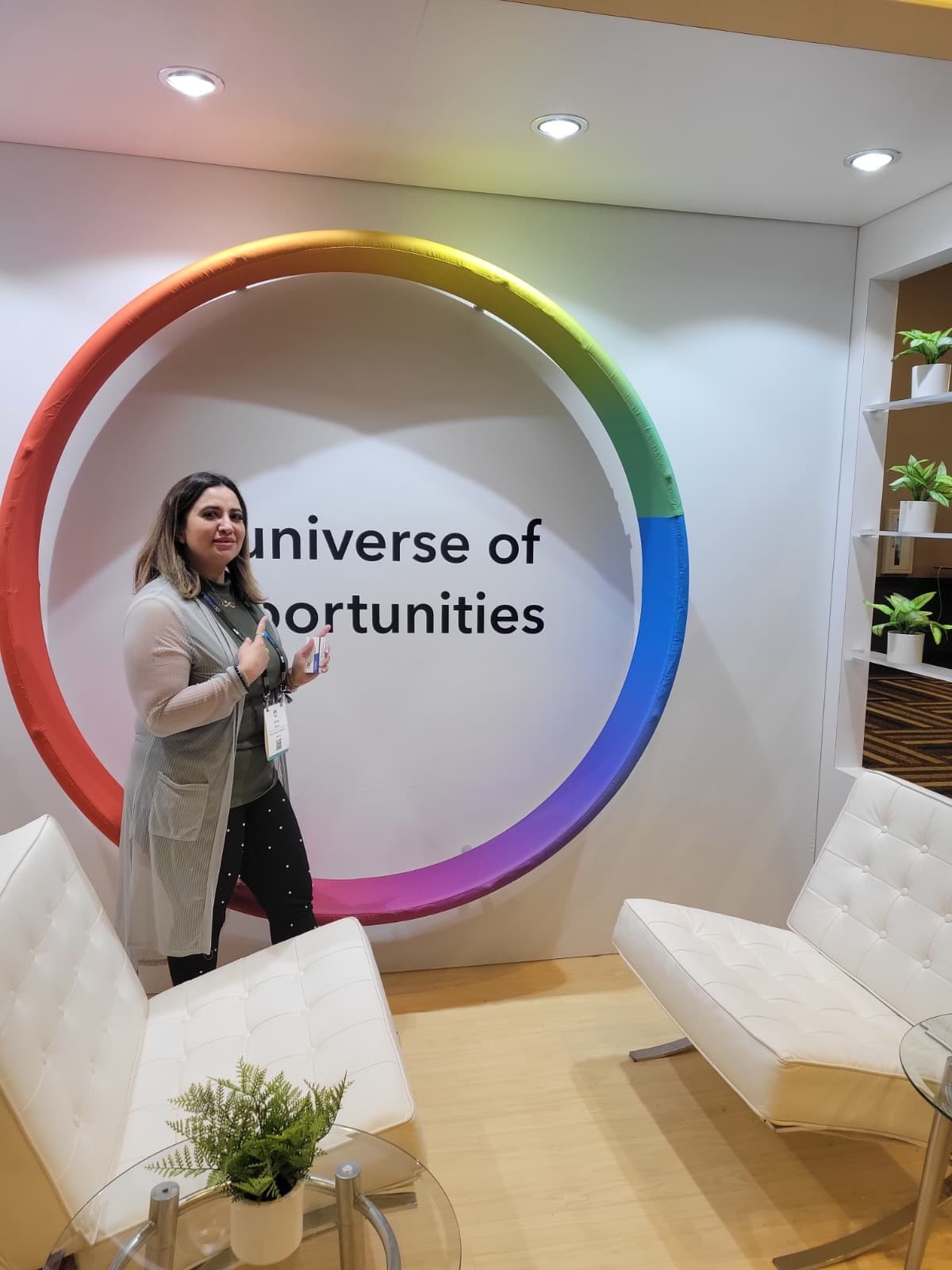
The next chapter is international. GPW is expanding into Europe and Canada, following clients as US brands look for fulfilment closer to new customers and as European sellers look for a dependable partner to enter the American market. The principle stays the same across borders: fewer handoffs, faster turnaround, tighter compliance and more margin left with the brand.
Building Her Own Scale
When she looks back at the little girl who was always compared and always found lacking, Salman does not feel anger so much as clarity. “She wasn’t less than anyone. She just hadn’t been given the chance to prove it,” she says. “So I gave it to her. To any woman who has spent her life being measured against someone else, I’d say this: you don’t need to become someone else to win. You need to stop accepting their scale and build your own.”
In the Hot Seat: Sana Salman, Unfiltered
ESI Exclusive · 15 questions with Sana Salman, Founder & CEO, Global Partner Warehousing
An entrepreneur’s journey of courage, identity, family, resilience and building an international business vision.
Personal Aspirations and Life Perspective
1. Having achieved so much as an entrepreneur, what are the personal ambitions you still hope to fulfil? Is there a dream you have yet to pursue that is entirely for yourself?
I honestly believe I am still at the beginning of my journey. I have achieved milestones that I once only imagined, but I have never stopped dreaming bigger.
One of my biggest ambitions is to build a multi-million-dollar business empire that goes beyond a single industry. I want to create businesses that are sustainable, innovative and create opportunities for other people, particularly women who want to establish their own identities.
On a personal level, I want to continue growing as a woman, exploring the world, learning new things and becoming financially and intellectually stronger. I want to reach a stage where I can look back and say that I did not limit myself because of circumstances, expectations or fear.
For me, the dream is not simply to become wealthy. It is to build something meaningful that carries my identity, vision and values.
2. How has your understanding of success evolved over the years? Today, what matters most to you beyond financial achievements and business growth?
Earlier in my journey, I associated success with financial independence, achievements and the ability to build something of my own. Those things still matter, but my definition of success has evolved.
Today, success means having the courage to make your own decisions, the freedom to choose your direction and the strength to stand back up when life challenges you.
It also means being a present mother, a caring wife, a supportive family member and an independent woman with ambitions of her own.
I have learned that success is not measured only by what you accumulate but also by the lives you impact, the opportunities you create and the person you become along the way.
3. As you enter this next chapter of your entrepreneurial journey, what are you looking forward to most, both professionally and personally?
I am entering a very exciting chapter. Global Partner Warehousing has established its presence in the US, and I am looking forward to expanding our footprint internationally, particularly into European and Canadian markets.
But I am also looking beyond traditional warehousing and logistics.
I envision building an AI-driven business consultancy division that helps companies become smarter, more efficient and more competitive through the adoption of the latest artificial intelligence technologies.
I believe the future belongs to businesses that are willing to adapt. I want GPW to be part of that transformation, combining logistics, technology, automation and intelligent business solutions.
Personally, I look forward to continuing my journey of self-growth while creating a legacy that my children can be proud of.
Women Entrepreneurship in the United States
4. As a woman leading a company in the traditionally male-dominated logistics and warehousing industry, what experiences have shaped your leadership style, and how do you navigate situations where you have to establish your authority?
Coming into the logistics and warehousing industry as a woman was certainly an experience that shaped me.
This is an industry where you will often find yourself in rooms dominated by men, whether you are negotiating contracts, discussing operations, dealing with transportation partners or making important business decisions.
I learned quite early that I did not need to become someone else to establish my authority. I needed to become exceptionally good at what I do.
My approach has always been to let my knowledge, preparation, work ethic and results speak for themselves.
There were moments when I had to prove that I understood the business just as well as anyone else at the table. Instead of allowing those situations to discourage me, I used them as motivation to become stronger.
I also believe that women bring a valuable perspective to leadership. We often combine strategic thinking with emotional intelligence, multitasking and the ability to manage multiple responsibilities simultaneously.
My leadership philosophy is simple:
“Be confident without being arrogant, be firm without losing compassion, and never allow someone else’s perception of you to determine your potential.”
5. From your experience in the US, how supportive is the entrepreneurial ecosystem for women who want to build and scale substantial businesses? Where do you believe more support is still needed?
The United States offers tremendous opportunities for women entrepreneurs. It is an environment where ideas can become businesses, and businesses can grow into substantial enterprises.
There are networking platforms, business communities, mentorship opportunities and access to technology that can help women accelerate their journeys.
However, I believe there is still a significant gap between encouraging women to start businesses and genuinely supporting them in scaling those businesses.
Women need greater access to institutional funding, strategic partnerships, industry networks and opportunities in sectors traditionally dominated by men. For example, in logistics, warehousing and supply chain management, women are still underrepresented in leadership positions.
I would also like to see more platforms where women business owners are evaluated on their capabilities, business models and potential rather than being viewed through the lens of gender.
We don’t just need more women entrepreneurs. We need more women leading large companies, negotiating major contracts, entering international markets and building economic influence.
6. Do you think women entrepreneurs sometimes put greater pressure on themselves to succeed because they are balancing professional ambitions with societal and family expectations? How can women overcome that pressure?
Absolutely. I think women often carry multiple identities simultaneously. We are entrepreneurs, mothers, wives, daughters and caregivers, and each role comes with its own expectations.
Sometimes the greatest pressure does not even come from society. It comes from within us. We want to excel professionally while ensuring that everyone at home is happy and cared for.
I have personally experienced the challenge of managing business responsibilities alongside family commitments. There are days when you have to make important business decisions while also being emotionally present for your family.
My biggest lesson has been that women should not feel guilty for having ambitions.
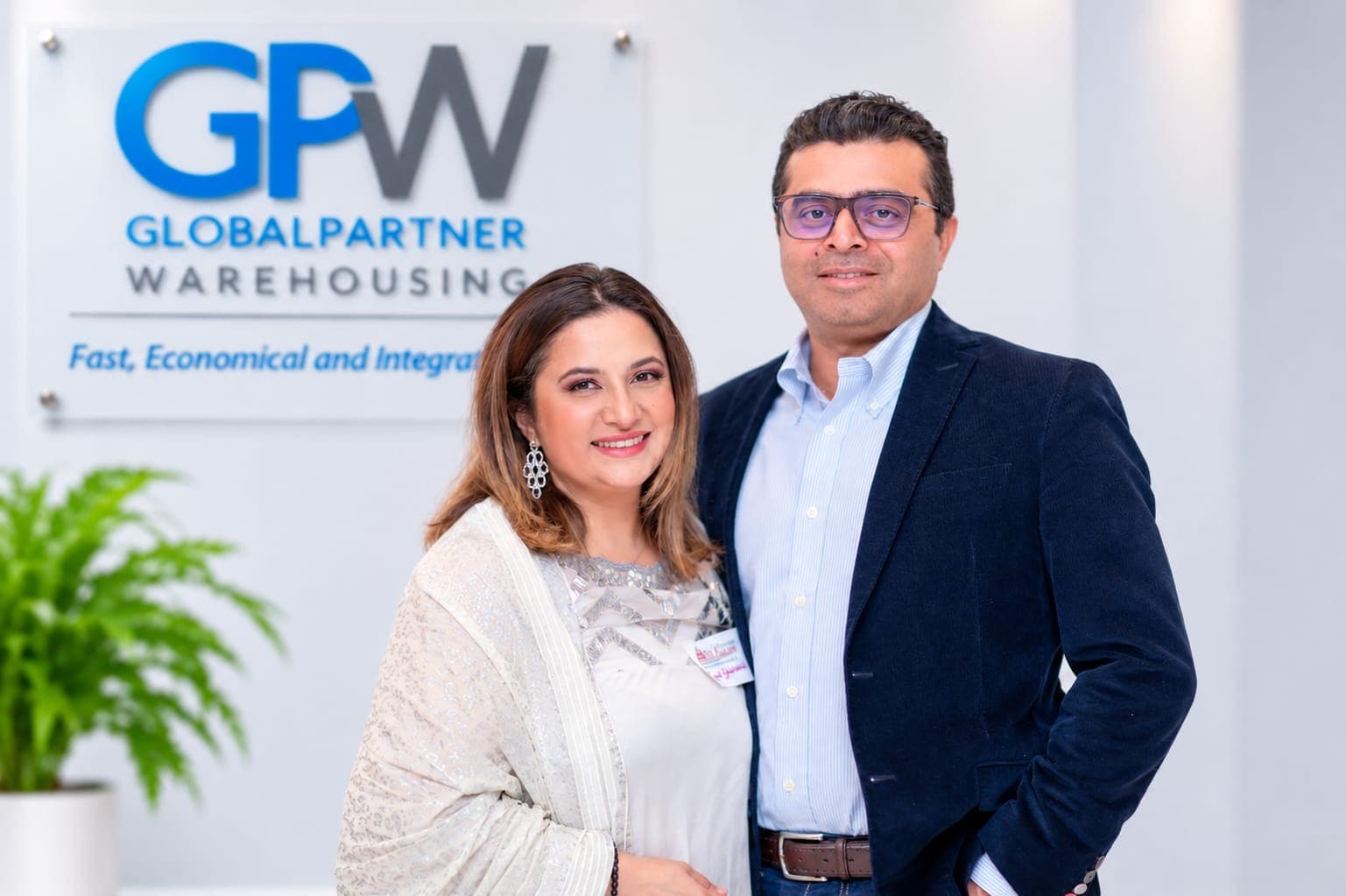
I also believe in acknowledging the importance of family support. My husband has been the backbone of my business journey. From the very first boxes in our garage to the facility we run today, he has encouraged me, believed in me when things were uncertain, and stood beside me through every setback and every win. Together with the support of my family, his steady encouragement gave me the strength to keep building. I also believe that behind every successful woman is, first and foremost, herself: her courage, her determination and her willingness to keep going. But having a partner who believes in you makes that courage so much easier to find.
Women need to stop viewing ambition as something that competes with family. With understanding, shared responsibilities and the right support system, both can grow together.
Business, Leadership and Vision
7. Having experienced setbacks in your earlier ventures, how do you approach risk and decision-making differently today? Has failure made you more cautious, or more confident in taking calculated risks?
My earlier entrepreneurial experiences taught me some of my most valuable lessons.
I have experienced setbacks, difficult decisions and situations where things did not go according to plan. But I have never considered failure the end of a journey.
If anything, those experiences made me more confident, but also more strategic.
Today, I approach business decisions with a combination of research, financial understanding, market analysis and intuition. I believe in taking calculated risks rather than making decisions based purely on excitement.
One thing I have learned is that you cannot build something substantial while constantly being afraid of losing something.
“Entrepreneurship requires courage, but courage without preparation can become recklessness.”
I now focus more on building systems, understanding numbers, identifying risks early and creating businesses that can operate sustainably.
Failure has not made me afraid of taking risks. It has made me better at understanding them.
8. As Global Partner Warehousing expands into Europe and Canada, what is your long-term vision for the company, and what kind of legacy would you like to build through it?
My vision for Global Partner Warehousing is to develop it into an internationally recognised, technology-driven logistics and business solutions company.
We began with a strong focus on warehousing and fulfilment services in the United States, supporting Amazon, Walmart, Shopify and other e-commerce businesses with their operational needs.
Our next chapter is about international expansion, stronger supply chain integration and bringing more technology into the services we offer.
I also see tremendous potential in combining our logistics expertise with AI-powered consultancy.
Through this new direction, we want to help businesses identify inefficiencies, automate repetitive processes, improve decision-making and use the latest AI technologies to become more productive and competitive.
I don’t want GPW to remain just another warehousing company. I want it to become a platform that helps businesses grow intelligently.
As for legacy, I would love GPW to be remembered as a company that created opportunities, challenged traditional industry norms and demonstrated that a woman can build and lead a substantial business in an industry where female representation is still limited.
I also take pride in the fact that I am building my own identity and business legacy, one that can inspire the next generation of women entrepreneurs.
9. What do you believe distinguishes a successful entrepreneur from someone who is simply good at identifying a business opportunity? Is it discipline, resilience, leadership, adaptability, or something else?
Identifying an opportunity is probably the easiest part of entrepreneurship. Turning that opportunity into a sustainable business is where the real challenge begins.
I believe successful entrepreneurs have a combination of vision, discipline, resilience, adaptability and the ability to execute.
You can have a brilliant business idea, but if you cannot build a team, manage finances, understand your customers and remain consistent during difficult periods, the idea may never become a successful enterprise.
For me, discipline is particularly important. Motivation comes and goes, but discipline keeps you moving.
I also believe adaptability is essential today. The business world is changing rapidly, particularly with AI, automation and digital transformation. Entrepreneurs who refuse to evolve risk becoming irrelevant.
Ultimately, successful entrepreneurship is about having the courage to start, the discipline to continue and the intelligence to evolve.
Family, Relationships and Personal Time
10. Building a business requires considerable commitment. How do you protect time for your family and personal relationships while managing the demands of being a founder and leader?
I would be dishonest if I said it was always easy.
Running a business, managing employees, handling clients, planning expansion and making financial decisions require significant time and mental energy. At the same time, I have a family that deserves my attention, care and presence.
I have learned that family and business cannot always operate on a perfect schedule. There are periods when business demands more attention, and there are moments when family must come first.
My husband has been an important part of my support system. His understanding and support, along with the encouragement of my family, have helped me continue pursuing my ambitions.
But I also believe that women must recognise their own role in making their journeys possible. We cannot expect others to build our dreams for us.
I try to be intentional about spending quality time with my family rather than measuring everything by the number of hours.
I want my children to grow up seeing a mother who loves her family deeply but also has the courage to pursue her own dreams.
11. How do you personally recharge when the demands of business and family become overwhelming? What are the things in your life that help you stay grounded?
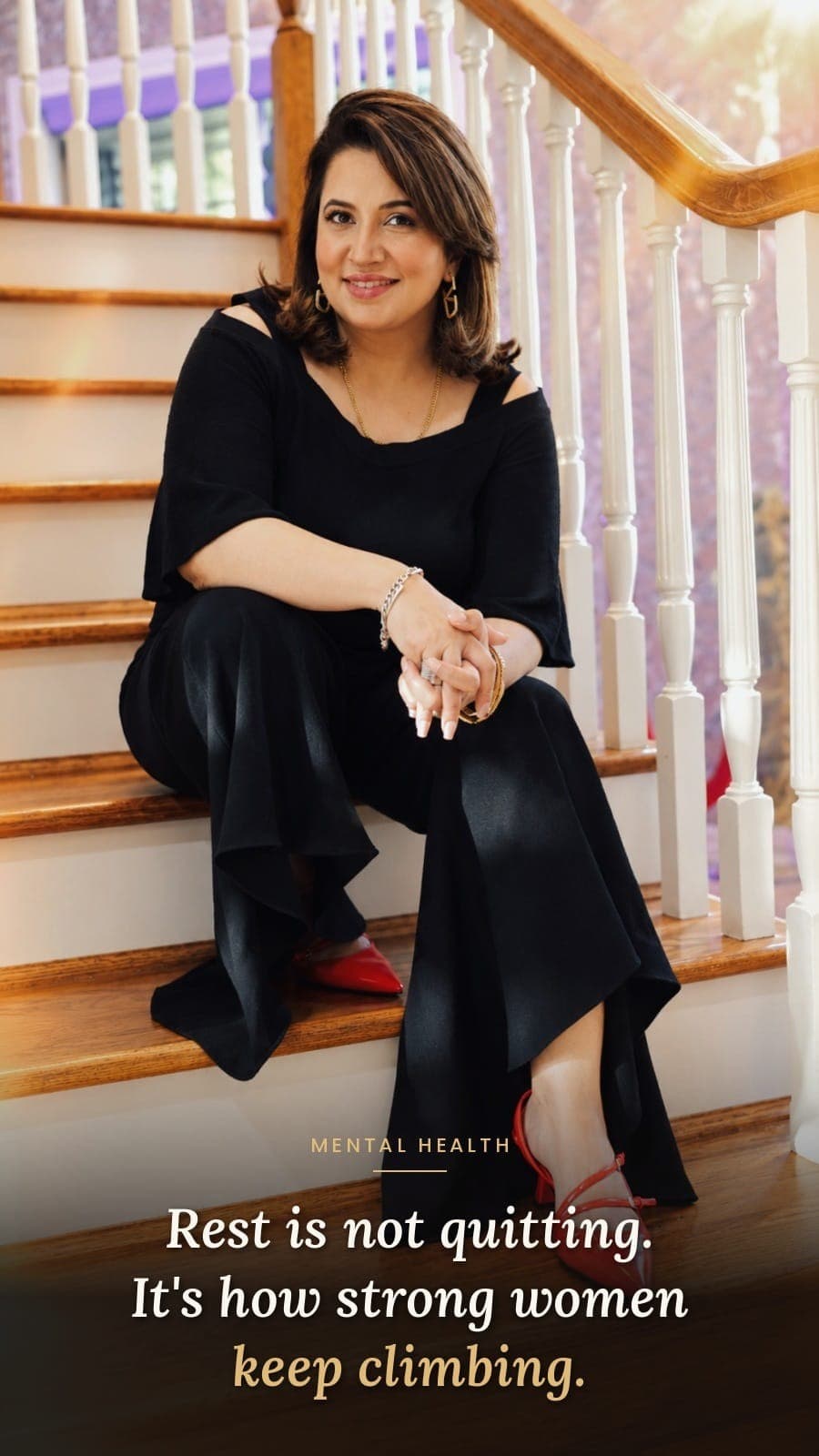
I have learned that constantly being productive is not the same as being successful.
Sometimes you need to step away, breathe and give yourself the space to reset.
My family, my faith and my personal connection with my Creator help me stay grounded. I find strength in prayer, reflection and reminding myself that not everything needs to be figured out immediately.
I also enjoy travelling, exploring new ideas and giving myself time to think beyond the daily operational demands of business.
I am someone who naturally thinks about the next opportunity, the next goal and the next level of growth. But I am learning to appreciate the present as well.
I remind myself that life is not just about building an empire; it is also about enjoying the journey and appreciating the people who are part of it.
12. Do you believe women need to strive for work-life balance, or is it more about finding a balance that changes with different stages of life and ambition?
I believe the idea of perfect work-life balance is somewhat unrealistic, particularly for women who are building businesses and raising families.
Life moves through different stages, and our priorities change accordingly.
There are seasons when your business requires more of you, and there are seasons when your family needs greater attention. Expecting everything to remain equally balanced every single day can create unnecessary pressure.
“I prefer to think of it as work-life alignment rather than work-life balance.”
The important thing is to make sure that while pursuing professional ambitions, you do not completely lose yourself, your relationships or your wellbeing.
I also want women to understand that choosing ambition does not make them less caring mothers or wives. We should be able to pursue our professional identities without feeling that we are failing in our personal roles.
Role Models, Inspiration and Advice for Europe
13. Who is the woman you admire most, whether in business or in your personal life, and what qualities or lessons from her journey have influenced you?
The woman I admire most is, in many ways, the woman I continue to work towards becoming myself.
I have always admired women who have the courage to create their own identities, particularly those who do so while carrying family responsibilities and navigating societal expectations.
I draw inspiration from women who are financially independent, intellectually strong, emotionally resilient and confident enough to make unconventional decisions.
I also deeply respect women who do not allow their circumstances to define their future.
My inspiration comes from many women, but I have come to realise that we should not spend our lives waiting for someone else to give us permission to become who we want to be.
“Sometimes you have to become your own role model.”
You have to believe in yourself before the world recognises what you are capable of.
14. As GPW looks towards European markets, what observations have you made about the entrepreneurial landscape in Europe? What opportunities do you see for women founders here, particularly in logistics, e-commerce and supply chain businesses?
I see Europe as a very promising market, particularly because of its established e-commerce ecosystem, diverse consumer markets and growing demand for efficient cross-border fulfilment solutions.
As businesses increasingly sell across international markets, logistics is becoming much more than simply storing and shipping products. Companies need integrated solutions that bring together inventory management, fulfilment, technology, automation and supply chain visibility.
I believe this creates opportunities for companies like GPW to provide value through international fulfilment partnerships and smarter operational solutions.
I also see significant opportunities for women entrepreneurs in this space.
Women founders can bring fresh perspectives to industries that are evolving rapidly. There is room for women to lead technology-enabled logistics businesses, AI consultancy firms, e-commerce infrastructure companies and international supply chain operations.
My belief is that the next generation of successful logistics companies will not simply compete on warehouse space or shipping rates. They will compete on technology, efficiency, intelligence and the quality of their solutions.
That is exactly the direction in which I want to take GPW.
15. What advice would you give to women entrepreneurs in Europe who are building businesses in sectors where female leadership is still underrepresented, especially those who have the ambition to expand internationally?
My advice would be: don’t wait until you feel completely ready, and don’t wait for someone to validate your ambition.
If you have a vision, educate yourself, understand your industry, build your network and take that first step.
You will face situations where people underestimate you, where you question your decisions and where things do not go according to plan. Don’t allow those experiences to convince you that you are not capable.
Build financial knowledge. Embrace technology. Understand AI. Surround yourself with people who challenge you to grow, and never stop learning.
Most importantly, don’t make yourself smaller to fit into an industry that was traditionally built without women in leadership positions.
I would also encourage women to think internationally from the beginning. We live in a world where technology allows even relatively small businesses to reach global markets. Your ambition should not be restricted by your geographical location.
And one thing I would particularly like women to remember is that you do not have to choose between being a caring woman and an ambitious entrepreneur.
“You can be both.”
Your family can be your strength, your business can be your identity, and your ambition can be your driving force.
I am still on my journey. I am still chasing my multi-million-dollar dream, still learning, still taking risks and still building. And I hope that when other women look at my journey, they see that it is never too late to create your own identity, rewrite your story and build something extraordinary.
A Message to Women
ESI Exclusive
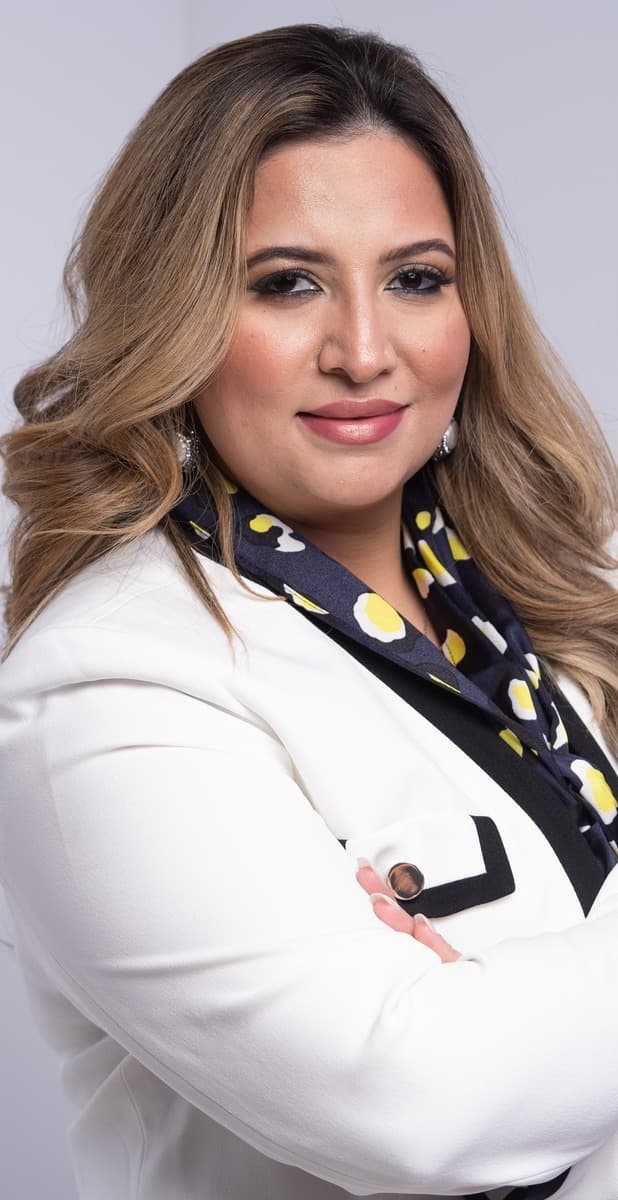
Behind every successful woman is a woman who first believed in herself.
Family support gives her strength, but her courage, dedication and determination give her the wings to fly.
Sana Salman
Founder & CEO, Global Partner Warehousing
“Behind every successful woman is a woman who first believed in herself. Family support gives her strength, but her courage, dedication and determination give her the wings to fly.”
What did you think of this story?
Written by
Sandra J. Barbara
63 stories on European Startup Insider
Want to be profiled like Sana?
We feature founders building companies in Europe and beyond, in writing and in our podcast studio.
More stories like this


London's Quiver delivers retailers' orders from their own shops, in one to two hours or next day
Quiver turns a retailer's London stores, or its own micro-fulfilment centre, into the starting point for same-day and next-day deliveries chosen at checkout. Clients include Ganni, Percival and The Diamond Store.