

Ledger ties its hardware wallets into Kraken owner Payward's tokenised stocks
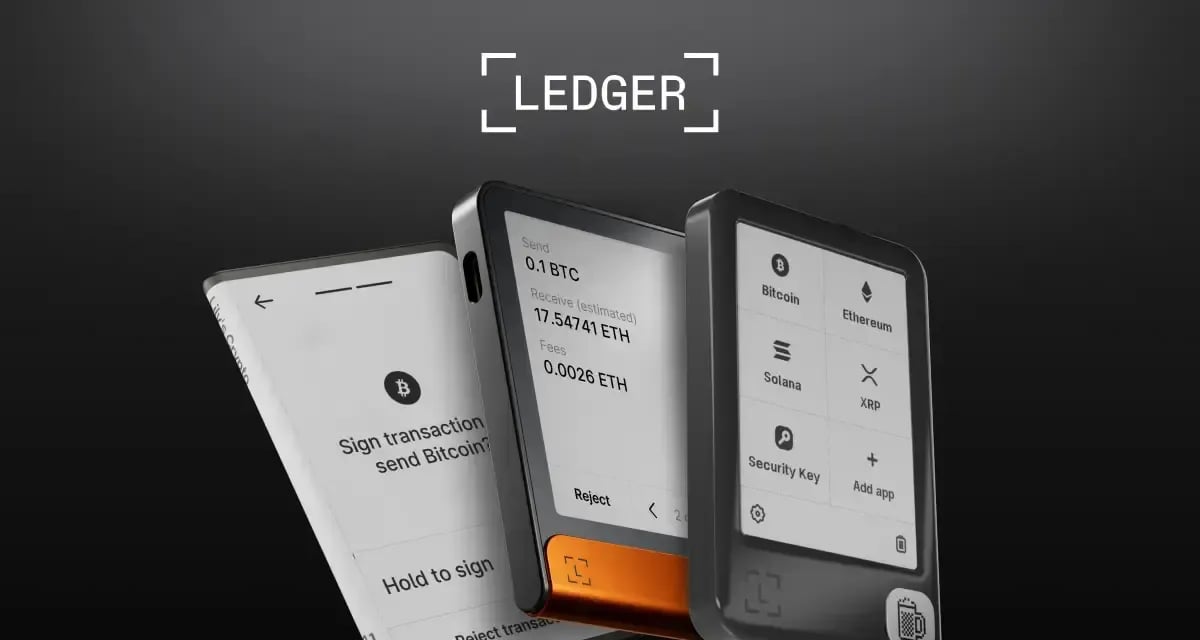

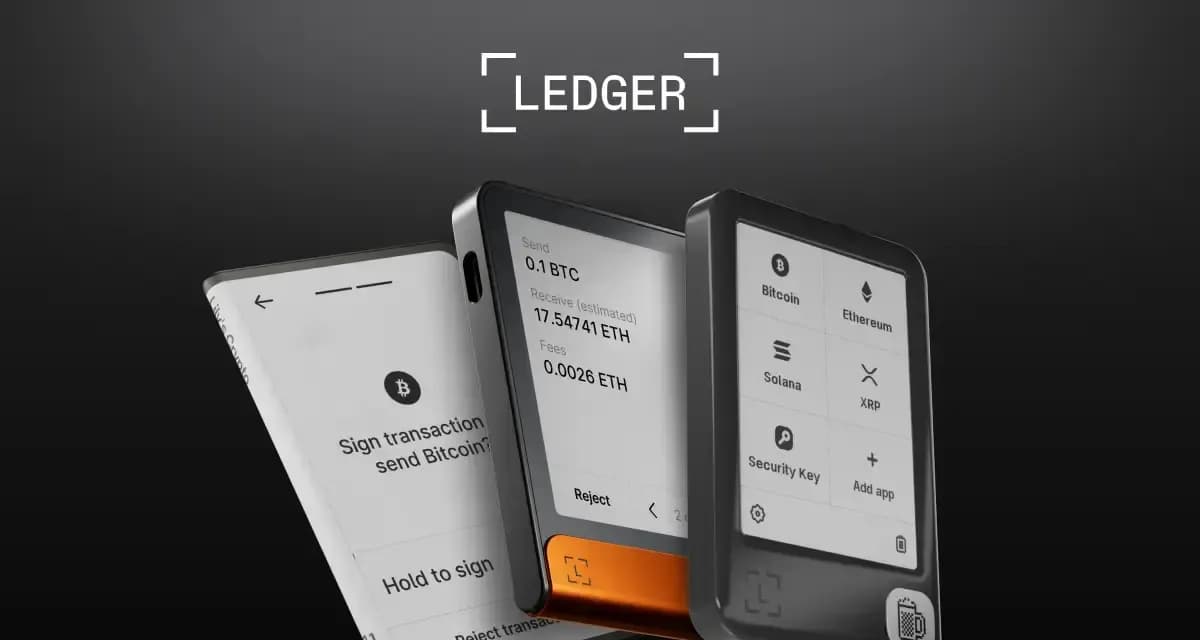
Ledger, the Paris-based maker of hardware crypto wallets, has struck a partnership with Payward, the parent company of Kraken, to let customers hold and approve trades in tokenised stocks from an offline device. The deal, announced on 24 September, plugs Ledger's self-custody hardware into Payward's xStocks platform, which offers tokenised exposure to stocks and exchange-traded funds backed one-to-one by the underlying shares.
The tie-up matters because it extends a security model built for Bitcoin and Ethereum into equities, a market that Ledger has never directly served before. For a company that built its business on around eight million users wanting to hold crypto without trusting an exchange, it is a bet that some stock investors will want the same.
How the integration works
Kraken customers will be able to use a Ledger device as a signer directly inside the exchange, built on Ledger's Device Management Kit. That lets them fund accounts, withdraw assets and sign transactions with what Ledger calls Clear Signing, where the device screen shows exactly what a user is approving before they confirm it offline.
The connection runs the other way too. Payward Services, Payward's business-facing infrastructure arm, will sit inside Ledger Wallet as a provider for buying, selling and swapping assets, starting with debit card and bank transfer support in Europe and the UK. Ledger says it plans to add more payment methods and countries later.
The companies describe deeper xStocks integration as a next step rather than something fully live today. Over time, Ledger Wallet users should be able to buy, sell and transact what the companies describe as hundreds of tokenised equities while keeping their assets in self-custody. Ledger Enterprise, the company's business unit for banks and fintechs, is also meant to gain access to Payward's trading, qualified custody, payments and funding infrastructure through the same partnership.
Payward's co-chief executive David Ripley framed the deal as evidence of where crypto infrastructure is heading. "By partnering with Ledger, we're building where the industry is heading: a future where secure self-custody and global financial infrastructure work hand in hand to provide powerful and seamless trading experiences," he said. Ledger chairman and chief executive Pascal Gauthier said the partnership lets retail users and, through Ledger Enterprise, banks and fintechs get secure access to Payward's infrastructure "backed by Ledger's uncompromising security."
Why tokenised stocks, and why now
Sebastien Badault, the Ledger executive leading the Payward relationship, told reporters that tokenised stocks appeal to two groups of potential customers. The first is Ledger's existing base of retail and institutional users who already prefer self-custody over trusting a third party with their assets. The second is more conventional stock investors who are growing uneasy about hacking risks as artificial intelligence and quantum computing make attacks cheaper to carry out, according to Badault.
Payward says xStocks has already handled more than $42bn in total transaction volume, though tokenised equities still represent a small fraction of the overall stock market and have found more traction outside the United States so far. For now, Ledger's integration covers only Payward's version of tokenised stocks; Badault has said the company is also talking to other platforms that have launched their own tokenised shares, including Coinbase, Binance and Robinhood.
The timing is not without friction. A recent security incident involving a smaller hardware-wallet maker has revived a wider debate about whether self-custody devices are as safe as their makers claim, even for experienced crypto holders. Ledger's pitch rests on arguing that its own track record and the Clear Signing feature make that trade-off worthwhile for a new category of asset.
What it signals for European fintech
For founders and investors watching the overlap between crypto infrastructure and traditional finance, the deal is a sign that European-built security hardware is finding a role beyond its original market. Ledger, founded in Paris in 2014 and backed by investors including Molten Ventures, has raised a reported $468.2m to date, with its last disclosed round a $109m Series C extension in 2023.
The bigger test will be adoption rather than the integration itself. Tokenised stocks still need regulatory clarity in most markets, and Ledger's own hardware, including its Stax device, will only be as useful to stock investors as the breadth of assets Payward and any future partners choose to tokenise. Ledger has not said when the fuller xStocks integration inside Ledger Wallet will ship.
What did you think of this story?
Written by
John Pulisic
92 stories on European Startup Insider
Have a story like this? Pitch it to us.
We publish founder profiles, company news and practical guides from across Europe.
More stories like this




Oda appoints logistics veteran as CEO, launches service for other retailers
Norwegian online grocer Oda has appointed COO André Knüppel as its new chief executive and unveiled Oda Systems, a logistics platform it will sell to European rivals. The move signals a strategic pivot toward profitability and capital-light expansion.