

From a Santa Maria ward to a 7,500-strong waiting list: how Lampsy Health built its epilepsy lamp
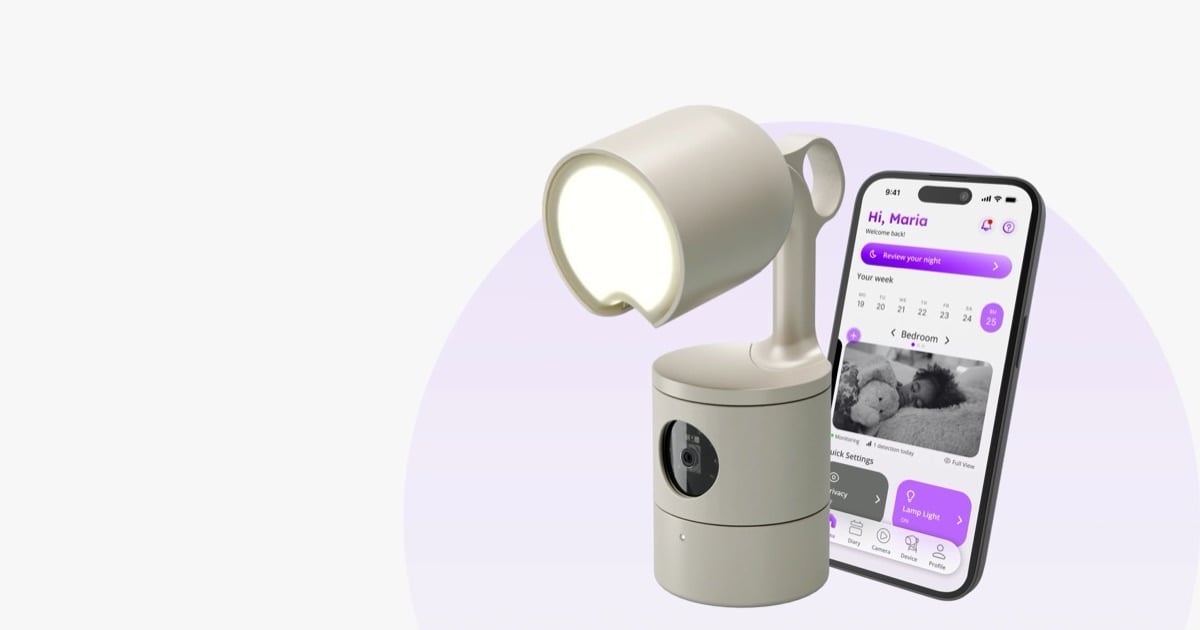

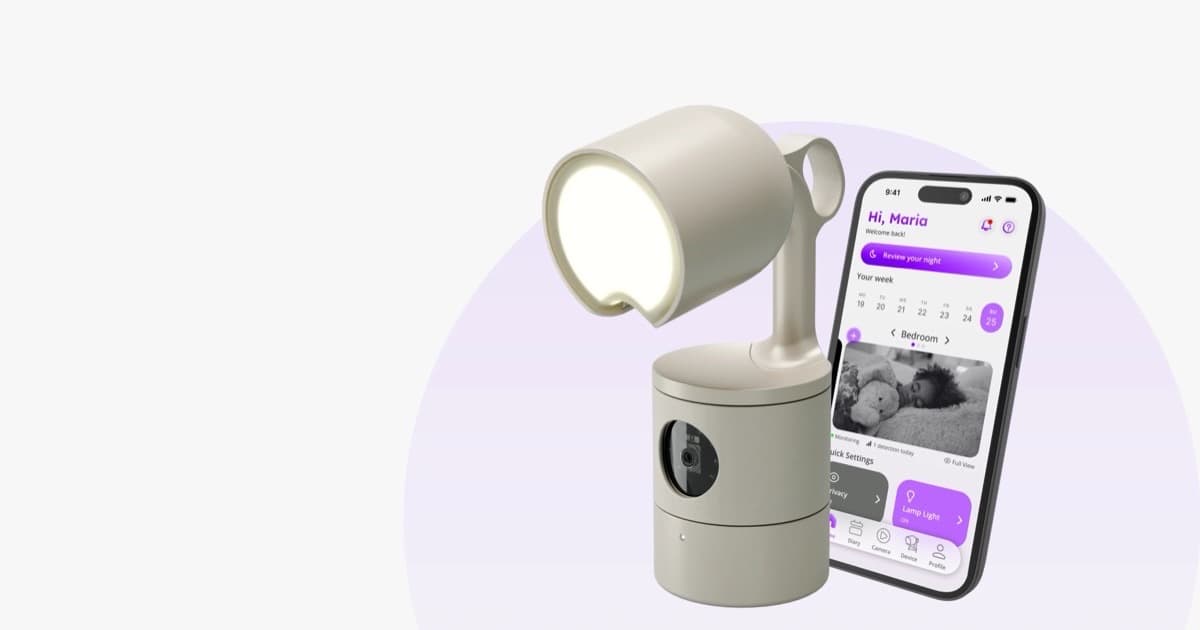
Lampsy Health has more than 7,500 people in 20 countries on a waiting list for a lamp that, until now, only hospital teams could use. The Lisbon startup expects to start selling its camera-based seizure monitor in the first quarter of 2027, after a €1.1m round closed in November 2026. Getting there took a hospital request, a lab project at Instituto Superior Técnico and a launch date that moved more than once.
A question from the epilepsy unit
The idea did not start with the founders. Co-founder and chief executive Vicente Garção has said it came from clinicians in the epilepsy monitoring unit at Hospital de Santa Maria in Lisbon, who wanted to know what happened to their patients at night without making them sleep connected to equipment at home.
Garção, a biomedical engineering graduate now doing a PhD at Técnico, took the problem on with two fellow alumni, Leonor Pereira and Joana Pinto. Pinto had already co-founded a health startup, Clynx Health. The work was spun out of Técnico and Instituto de Telecomunicações, and the company puts the research behind the product at more than six years.
The answer they settled on was a bedside lamp with an infrared camera and a computer vision model running on the device. When it sees the movements of a tonic-clonic seizure, it calls the user's emergency contacts. Nothing is worn on the body. That was the point, since most existing monitors are wearables that many people find uncomfortable in bed and too visible.
Early prizes and a €230,000 cheque
Recognition began in 2024. The project received an Inova+ 2024 award in the Scientific Innovation category and reached the final of the Lab2Market programme.
In April 2025 the company announced an investment of €230,000 led by Fundação Ageas, with business angels Susana de Sousa, a customer experience specialist, and Ellie Asgari, a UK doctor. It was meant to pay for clinical validation and EU certification. At the time Garção said the hard part was designing hardware and software together that could be precise and still cheap to build, and that validating the device with hundreds of patients was a logistical challenge.
To get that data, the team worked with all six public hospitals in Lisbon that monitor people with epilepsy, from Santa Maria and Egas Moniz to Dona Estefânia and Amadora-Sintra. By the company's count, the algorithm has now been checked against over 9,200 hours of recordings from hospital wards. A paper describing the device appeared in the journal IEEE Access in 2025.
Timelines that slipped, demand that did not
The founders were optimistic about dates. In April 2025 they said they hoped to reach European buyers early in 2026 and to raise around €1m by the end of that year. By November 2025, at Web Summit, the company was saying sales should start in April 2026 and that more than 5,000 families had signed up to wait. Garção talked there about the "emotional burden" on families, noting that many children with epilepsy share their parents' bed into adulthood.
A month later the Epilepsy Foundation of America named Lampsy the winner of its 2025 startup accelerator, a six-week virtual course with mentoring on regulation, reimbursement, intellectual property and fundraising. Rival finalists included PneumoWave and mjn-neuro, both building wearables. Caitlin Grzeskowiak, the foundation's chief research and innovation officer, praised the team for working with patients, families and clinicians at every stage.
The European Innovation Council also chose the startup for its Pre-Accelerator, one of 70 picked from more than 1,000 applicants. In 2026 it won the startup showcase at WIRED Health in London, Startup World Cup Portugal and, in September, the Portuguese round of KPMG's Global Tech Innovator, which sent it to the global final at Web Summit. That title went to AURIMOD from Austria. Garção and Pereira made the Forbes 30 Under 30 Portugal list.
The €1.1m round and what comes next
The funding round, announced on 27 November 2026, was co-led by Fundação Ageas and Portugal Ventures, with Angels Way, Phira Ventures, a group of angels and EIC money. It is close to five times the first round and arrived about a year later than the founders had first planned. The company says the lamp now holds EU medical device certification. Its product page lists the device from €349.90, plus a monthly membership from €19.90.
The waiting list grew by roughly half in a year, and Garção said half of it is in the UK. His comment on the queue was short:
"Demand came before we did."
The plan is to supply Europe and the UK first and the United States later. Longer term, the company wants to use the same contactless approach for other conditions that need monitoring at home, such as sleep apnoea. The test of the next year is simpler: whether a team that has so far worked through hospital programmes can deliver to thousands of households on its new schedule.
What did you think of this story?
Written by
Sandra J. Barbara
64 stories on European Startup Insider
Have a story like this? Pitch it to us.
We publish founder profiles, company news and practical guides from across Europe.
More stories like this






Lisbon's Lampsy Health puts a seizure detector inside a bedside lamp for people with epilepsy
A Técnico spin-off has built a lamp with an infrared camera and on-device AI that spots convulsive seizures at night and phones a carer, with no sensors worn on the body.