Lampsy Health raises €1.1m to take its seizure-alert bedside lamp to families in Europe and the UK
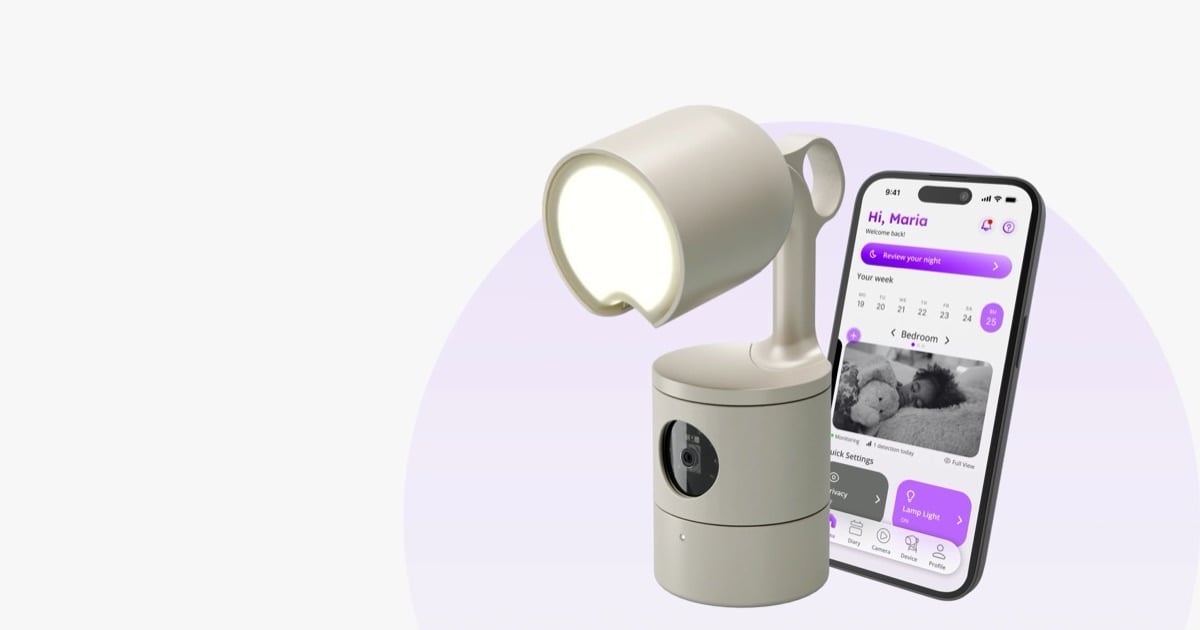

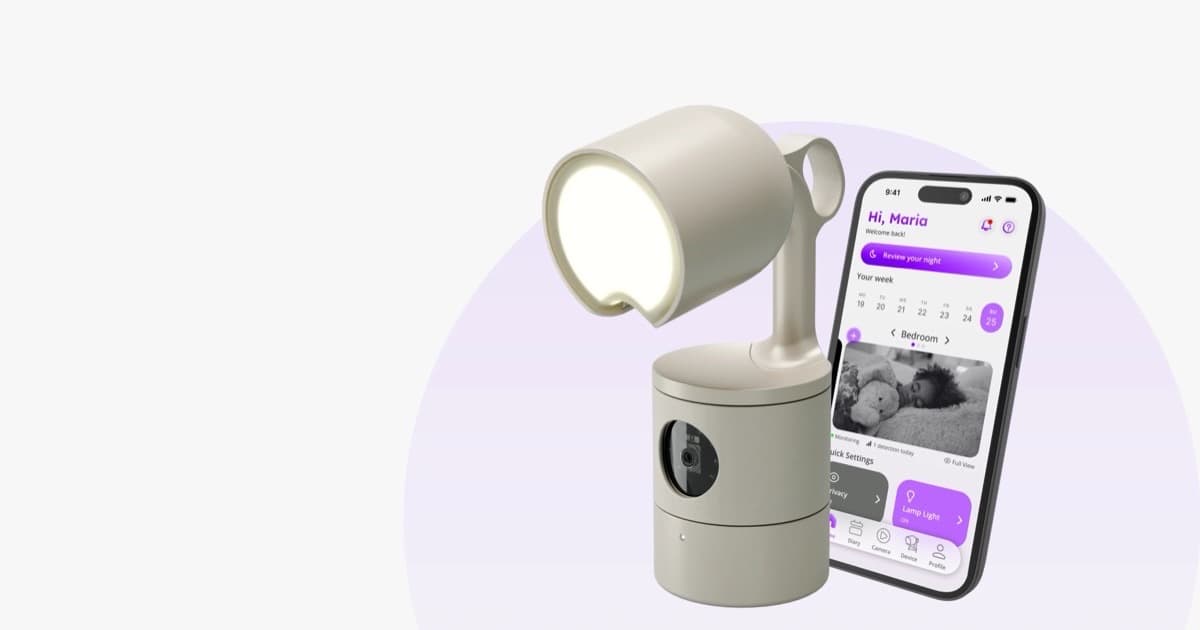
Lampsy Health, a Lisbon medtech company that hides a seizure detector inside a bedside lamp, has closed a €1.1m round to pay for its commercial launch in Europe and the UK. Fundação Ageas and Portugal Ventures co-led the deal, and the company says more than 7,500 people in 20 countries are already on its waiting list.
The raise is roughly five times the size of the €230,000 round the startup announced in April 2025. It also moves Lampsy from hospital pilots to a consumer product, with sales due to begin in the first quarter of 2027.
Who is in the round
Angels Way and Phira Ventures joined the two lead investors, along with a group of business angels whose backgrounds span medicine, logistics, marketing and consumer experience. Among them are Susana de Sousa and Ellie Asgari, who both put money into the 2025 round, and Peter Kirkham. The €1.1m figure also counts EU money from the European Innovation Council's Pre-Accelerator scheme.
Getting into that programme was competitive. The company was one of 70 picked from more than 1,000 applicants in the scheme's first call for deep-tech startups. According to the EU's project record, the grant-backed work, called LAMP-AI, aims to bring the device to a CE-ready Class IIa standard and run pilots in hospitals and in homes.
Fundação Ageas has been with the company from the start. It led the April 2025 round, which the founders said at the time would fund clinical validation and EU certification. Back then they planned to raise about €1m before the end of 2025 and to reach the European market early in 2026. Both steps took longer than that.
How the lamp works
Lampsy looks like an ordinary bedside lamp. Inside is a small camera with infrared lighting, so it can follow movement in a dark bedroom, and a computer vision model that runs on the device. When it sees the movement pattern of a convulsive, or tonic-clonic, seizure, it phones the emergency contacts the user has chosen and pushes an alert to the companion app.
The company reports better than 97% accuracy and, on its product page, about 0.05 false alarms a day. It says the system has been tested against more than 9,200 hours of hospital recordings and now holds EU medical device certification. Up to now the lamp has been used only by clinicians, through a programme with every public hospital in the Lisbon metropolitan area that monitors epilepsy.
The design choice is the pitch. Most rival products are worn on the body, which many patients find uncomfortable in bed and which can make a stigmatised condition visible to others. Lampsy asks for no sensors on the skin and no change to the night-time routine. Its website already lists the device from €349.90, plus a membership from €19.90 a month that covers emergency calls and access to recorded events.
Why night-time matters
The company cites figures suggesting that 86% of seizures at night go unnoticed, for example when a parent or partner is asleep in another room. The World Health Organisation puts the number of people with epilepsy worldwide at around 50 million, and Europe sees some 300,000 new diagnoses every year. Generalised tonic-clonic seizures during sleep raise the risk of sudden unexpected death in epilepsy, known as SUDEP.
Vicente Mayer Garção, co-founder and chief executive, said the project started when a medical team at Lisbon's Hospital de Santa Maria asked whether patients could be watched at night without being wired to equipment. He said half of the waiting list is in the UK.
"Demand came before we did," Garção said of the queue of families.
That waiting list has grown quickly. A year ago, speaking at Web Summit in Lisbon, the company put it at more than 5,000 families and said it expected to start selling in Europe in April 2026. The new launch date is a year later, now that certification is in hand.
A run of awards, and the next markets
Lampsy grew out of Instituto Superior Técnico and Instituto de Telecomunicações. Garção, a biomedical engineering PhD student at Técnico, founded it with fellow alumni Leonor Pereira and Joana Pinto. Garção and Pereira are both on this year's Forbes 30 Under 30 Portugal list.
Prizes have piled up over the past year. In the US, the Epilepsy Foundation named Lampsy the winner of its 2025 accelerator course. In London earlier this year, it won the Startup Showcase at WIRED Health. At home it won Startup World Cup Portugal and the national round of KPMG's Global Tech Innovator, though the global title at Web Summit went to Austria's AURIMOD.
The plan for the money is narrow and near-term: get lamps to the European and British households on the list, starting with the countries where demand is highest. The United States is the medium-term target. Beyond epilepsy, the company says the same contactless approach could be applied to other conditions monitored at home, such as sleep apnoea.
What did you think of this story?
Written by
Mark T. Schwahn
59 stories on European Startup Insider
Have a story like this? Pitch it to us.
We publish founder profiles, company news and practical guides from across Europe.
More stories like this






London's Quiver delivers retailers' orders from their own shops, in one to two hours or next day
Quiver turns a retailer's London stores, or its own micro-fulfilment centre, into the starting point for same-day and next-day deliveries chosen at checkout. Clients include Ganni, Percival and The Diamond Store.