

Lisbon's Lampsy Health puts a seizure detector inside a bedside lamp for people with epilepsy
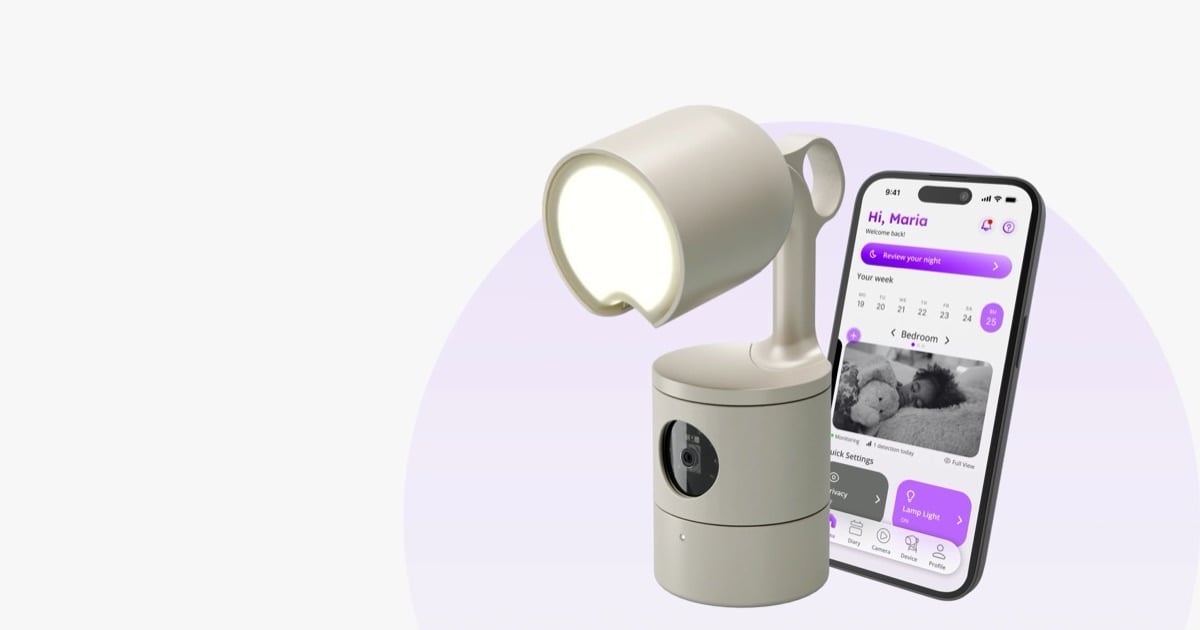

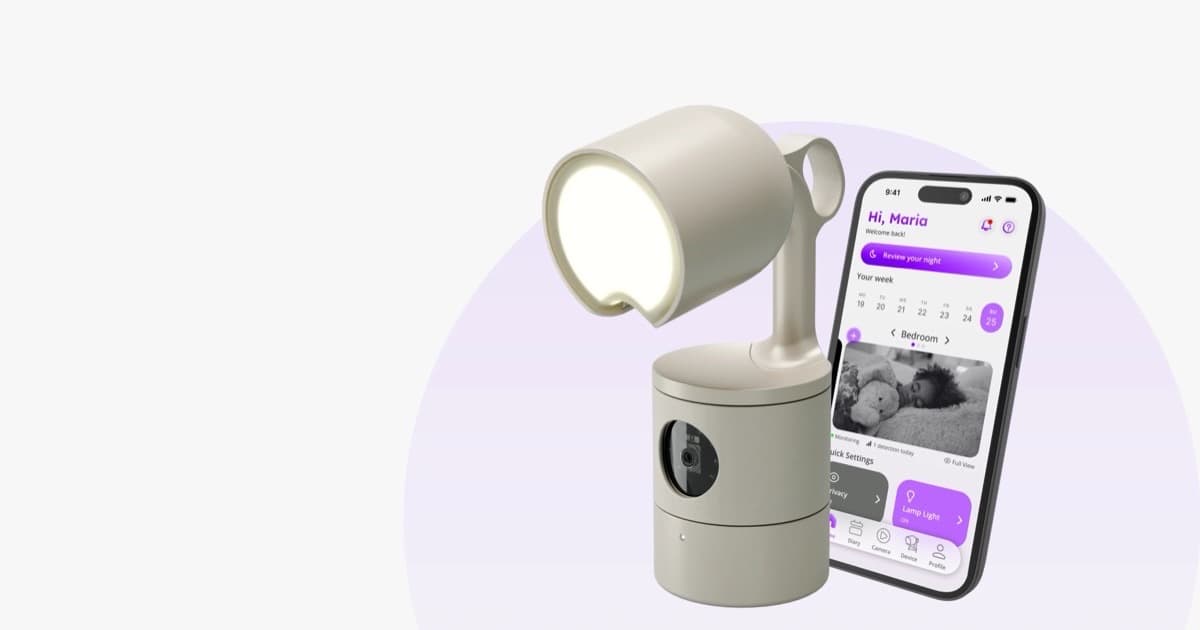
Lampsy Health makes a bedside lamp that watches a sleeping person for signs of a convulsive seizure and, when it sees one, phones the people they have chosen as emergency contacts. The Lisbon company says the device catches the movements linked to these seizures with better than 97% accuracy, while nothing is attached to the patient's body.
That last point is the reason the product exists. Most home seizure monitors are wearables, and many people with epilepsy find them uncomfortable in bed or do not want a visible medical gadget in a condition that still carries stigma.
The problem it is built for
Night is when families worry most. The company cites research suggesting that 86% of seizures that happen during sleep go unnoticed, for instance when a parent or partner is asleep elsewhere. The concern is sudden unexpected death in epilepsy, or SUDEP, which is linked to generalised tonic-clonic seizures at night.
Co-founder and chief executive Vicente Garção has described how this shapes family life: many children with epilepsy end up sleeping in their parents' bed well into adulthood. The EU's project record for the company's grant gives another reason for the gap. More than 90% of caregivers say they want monitoring technology, yet only 12% use any, put off by discomfort, stigma or privacy worries about existing wearables and cameras.
What the lamp does
The device stands 18.6cm tall, weighs 500g and has a handle so it can be carried from room to room. A small infrared camera follows movement in the dark, and a computer vision model running on the lamp itself looks for the patterns of a tonic-clonic seizure. Video processing stays on the device, which the company presents as its answer to privacy concerns.
Setting it up takes under ten minutes, according to Lampsy. The user plugs it in, pairs it over Bluetooth through an iOS or Android app, connects it to Wi-Fi and adds emergency contacts. From then on it runs around the clock. When it detects a likely seizure it calls every contact on the list and sends an alert to the app.
Each detected event is kept as a video clip that can be reviewed and shared. That matters more than it might seem: by the company's figures, 44% of relatives could accurately describe only about half of a seizure they had watched. Users can pick how much the camera shows, from a continuous live view, to video only when something is detected, to a privacy mode with no stream at all.
The company says the lamp does not diagnose epilepsy or replace medical care. It reports about 0.05 false alarms a day, Garção has said that clinicians told the team how important it was to keep false alerts rare enough not to disrupt daily life.
How it is sold
Lampsy is sold as hardware plus a subscription. The product page lists the lamp from €349.90 and a membership from €19.90 a month, with three tiers that differ in how many emergency contacts can be called (one, three or five) and how long recordings are kept (15 days, 30 days or a year). One membership covers every lamp in a home. Shipping is free in the EU and UK, and the company offers a three-year warranty there.
Commercial launch for families is set for the first quarter of 2027. More than 7,500 people in 20 countries have joined the waiting list, half of them in the UK, according to the CEO.
Who is behind it
Lampsy Health is a spin-off of Instituto Superior Técnico and Instituto de Telecomunicações in Lisbon. Its three co-founders are Técnico alumni: Garção, who studied biomedical engineering there and is doing a PhD at the school, Leonor Pereira and Joana Pinto. Pinto previously co-founded another health startup, Clynx Health.
The idea came from clinicians in the epilepsy monitoring unit at Lisbon's Hospital de Santa Maria, who wanted a better way to follow patients at home. The company says its work rests on more than six years of academic and clinical research, 9,200 hours of hospital data and input from over 400 families. It has worked with all six public hospitals in Lisbon that monitor epilepsy patients, including Santa Maria, Egas Moniz and Dona Estefânia. Its research on the device was published in the journal IEEE Access in 2025. The lamp's shape was developed with Engage Design, a product design studio in Seixal.
The company says the lamp now holds EU medical device certification. It has also been through the European Innovation Council's Pre-Accelerator and won the Epilepsy Foundation of America's 2025 accelerator course.
Investors so far include Fundação Ageas, Portugal Ventures, Angels Way and Phira Ventures. All four took part in a €1.1m round in November 2026, which followed a €230,000 raise in April 2025. The company says the same contactless method could later be used for other conditions that need watching at home, and names sleep apnoea as one example.
What did you think of this story?
Written by
John Pulisic
52 stories on European Startup Insider
Have a story like this? Pitch it to us.
We publish founder profiles, company news and practical guides from across Europe.
More stories like this






Lampsy Health raises €1.1m to take its seizure-alert bedside lamp to families in Europe and the UK
The Lisbon medtech, a Técnico spin-off, has closed €1.1m co-led by Fundação Ageas and Portugal Ventures to start selling its camera-based night-time seizure monitor in early 2027.